
Container Gardens
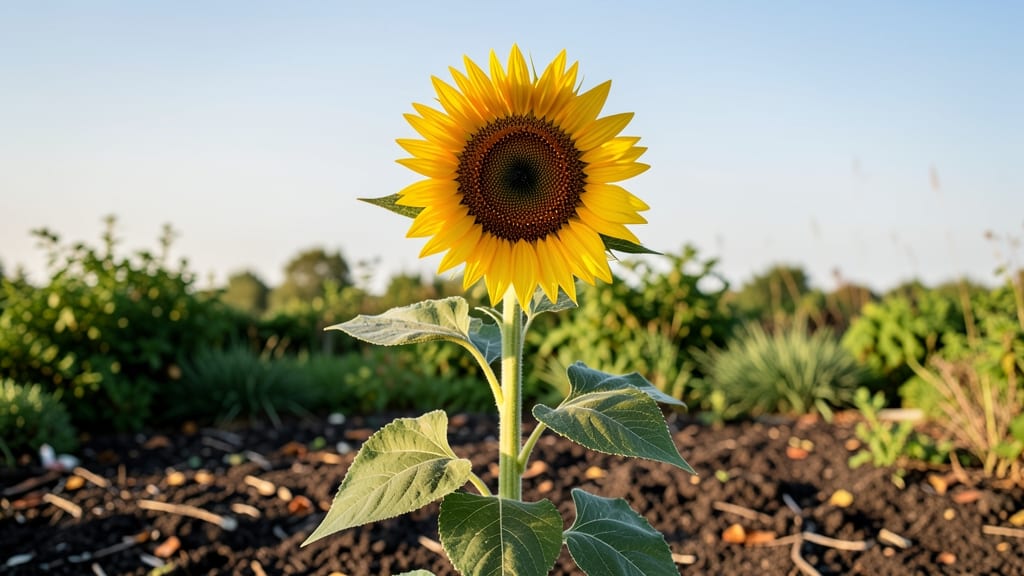
Sunflower planting calendar by USDA Zone for peak height growth
Sunflowers thrive when planted at the right time, but their height potential depends heavily on your USDA zone. In Zones 2-5, early spring planting ensures towering 10-15 ft giants, while Zones 6-11 can start seeds later.
The key? Avoid frost—direct sowing too soon stunts growth, while planting too late cuts bloom time. I’ve mapped out the perfect windows for each zone to maximize those sunflower skyscrapers you’ve always dreamed of.
Most gardeners focus on last frost dates, but sunflowers also need warm soil (55°F+) to germinate. That’s why Zone 10-11 growers can plant year-round, while Zone 2-3 gardeners must wait until late May.
Below, I’ve broken down the ideal planting months by zone, including height expectations for each timing strategy. Pro tip: Succession planting in Zones 4-7 can stretch your harvest by 6-8 weeks!
In Zones 2-3, where frost lingers late, I’ve seen giant varieties like 'Mammoth' reach only 6-8 ft when planted after June 1st. The solution?
Use row covers to extend the season by 2-3 weeks—this gives those sunflower stalks the extra time they need to bulk up before winter. I once grew a 10-foot sunflower in Zone 3 by starting seeds indoors in March and transplanting after the last frost.
For Zones 4-7, the sweet spot is planting in late April to early May. This timing aligns with soil warming and longer daylight hours, both critical for rapid height growth.
I recommend 'Russian Giant' or 'Autumn Beauty' for these zones—they’ll hit 12+ feet if given 6+ hours of sun daily. A common mistake? Skipping phosphorus-rich fertilizer early in the season. I’ve found that adding bone meal at planting boosts root development, which translates to 2-3 feet more height.
Gardeners in Zones 8-11 have the luxury of year-round planting, but timing still matters. For maximum height, I plant tall varieties in February—this gives them 6+ months of growth before summer’s peak. In Zone 10, I’ve grown 'Russian Giant' to 15 feet by combining deep soil
How to extend the sunflower growing season for giant varieties
Giant sunflower varieties like Russian Giant or Mammoth can reach 12+ feet—but only if you give them enough time. In cooler zones (3-5), shorter growing seasons often mean missed height potential.
The key? Strategic timing, heat tolerance hacks, and soil prep that tricks sunflowers into growing faster. Here’s how to squeeze every inch of height out of your season.
First, focus on succession planting. Instead of one big batch, stagger seeds every 2-3 weeks after your last frost date. This ensures a steady supply of young, fast-growing plants that can mature before fall frost.
For example, in Zone 4, start your first batch in late May and follow with two more batches in early June and mid-June. This way, you’ll have sunflowers at different growth stages, maximizing your garden’s vertical potential.
- 1. Start seeds indoors 4-6 weeks before your last frost date for a 2-week head start.
- 2. Use black plastic mulch to warm soil 5-10°F faster than bare ground.
- 3. Choose heat-tolerant varieties like Autumn Beauty or ProCut for longer bloom times.
- 4. Add compost tea at planting to boost root growth and nutrient uptake.
- 5. Thin seedlings to 18-24 inches apart to reduce competition for sunlight.
Heat tolerance is another game-changer. Giant sunflowers thrive in warm soil (at least 60°F) and direct sunlight. To extend their season, use row covers in early spring to raise soil temperatures.
Once plants are 6 inches tall, remove covers to avoid overheating. If your area experiences late spring frosts, opt for cold-hardy varieties like Sunzilla, which can handle 28°F without damage.
Soil prep is where you’ll see the biggest difference. Giant sunflowers need deep, nutrient-rich soil with good drainage. Before planting, amend your soil with compost and aged manure to a depth of 12 inches.
Add a handful of bone meal for phosphorus to encourage root and stem development. If your soil is heavy clay, mix in perlite or sand to improve aeration. Well-prepped soil helps sunflowers germinate faster and grow taller in less time.
Finally, don’t forget about watering strategies. Deep, infrequent watering (every 5-7 days) encourages deeper root systems, which translates to taller stems. Avoid overhead watering in the evening to prevent fungal diseases like powdery mildew, which can stunt growth.
Instead, use a drip irrigation system or water at the base of the plant in the morning. This keeps foliage dry and sunflowers focused on vertical growth.
With these techniques, you can push your giant sunflowers to record heights even in shorter seasons. The secret? Start early, protect from cold, feed the roots, and water wisely. Soon, you’ll be the envy of the neighborhood with sunflowers that block out skylines instead of sidewalks! 🌻