
Blooming
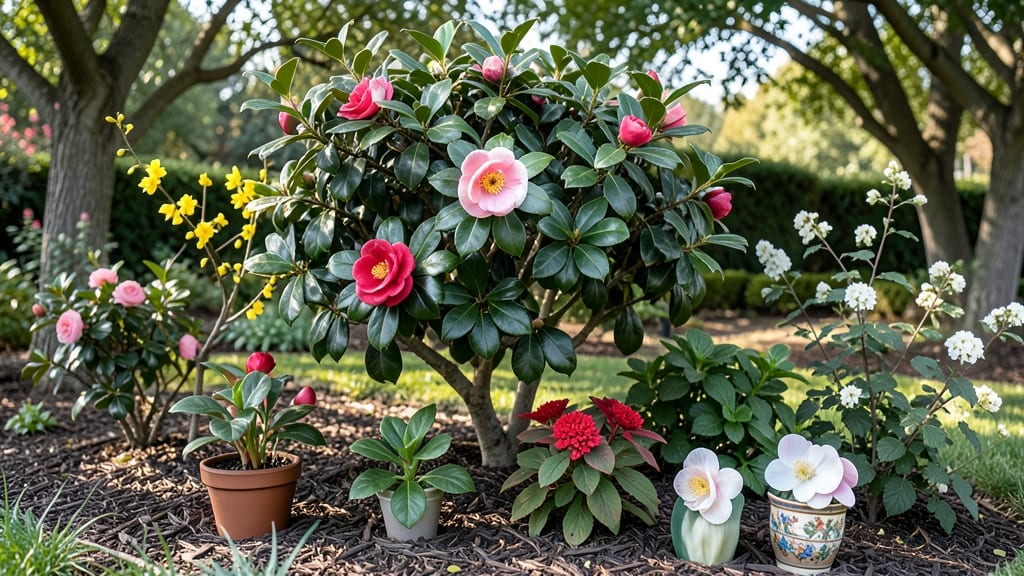
Winter in Florida doesn’t mean your garden has to go dormant—what flowers bloom in winter here actually thrive when temperatures drop, turning your yard into a splash of color. While most plants take a break, these hardy blooms prove that cooler weather can be their peak season.
Whether you're dealing with coastal humidity or inland dryness, the right choices can keep your landscape vibrant year-round.
I’ve tested dozens of winter-blooming varieties, and the results are impressive—camellias with velvety petals, fragrant jasmine vines, and even snapdragons that bounce back from light frosts. These aren’t just pretty faces; they’re built to handle Florida’s quirks, from sudden cold snaps to sandy soil.
The key? Picking the right plants for your microclimate and giving them the care they need to shine.
If you’ve ever wondered how to stretch your garden’s beauty beyond spring, this guide is your roadmap. We’ll cover the top 10 frost-resistant flowers, how to prep your soil for winter planting, and even regional tweaks for coastal vs. inland zones.
No green thumb required—just a willingness to defy the "winter slowdown" myth.
Ready to transform your yard into a winter wonderland? Let’s dive into the blooms that flourish when others fade, plus the simple tricks to keep them looking their best all season long.
Top 10 drought-tolerant winter flowers that survive Florida’s frost risks
Florida’s winter chill doesn’t have to mean a blank canvas in your garden. Many drought-tolerant winter flowers thrive in USDA Zones 8-10, bringing vibrant blooms even when frost risks lurk. These resilient picks require minimal water and care, making them perfect for Florida’s unpredictable winter weather.
Choosing the right cold-hardy flowers ensures your landscape stays colorful year-round. From camellias to winter jasmine, these plants handle Florida’s occasional frosts while demanding little extra effort. Let’s explore the top 10 varieties that defy seasonal limits.
Here’s a quick reference guide to help you select the best winter-blooming flowers for your Florida garden:
Camellias are a winter garden staple, offering stunning blooms from December through March. They thrive in partial shade and require moderate watering, making them ideal for Florida’s cooler months. Their glossy leaves add texture even when flowers fade.
Winter jasmine is another top pick, with bright yellow blooms appearing as early as January. This drought-tolerant vine loves full sun and handles frost down to
How to create a low-maintenance winter garden with frost-resistant flowers
Creating a winter garden in Florida doesn’t require constant upkeep—just the right frost-resistant flowers and smart planning. The key is selecting drought-tolerant varieties that thrive in cooler temperatures while requiring minimal water and care.
With proper soil preparation and strategic companion planting, you can enjoy vibrant blooms even when frost threatens.
Start by choosing plants that naturally flourish in Florida’s USDA Zones 8b-10, where winter temperatures rarely drop below 30°F. Native options like camellias, jasmine, and pansies are excellent choices—they not only survive but also thrive with less attention than summer annuals.
Pair these with succulents like sedum for added drought resistance.
Step-by-step guide:
- Step 1 Select frost-resistant plants
- Step 2 Prepare soil with compost
- Step 3 Plant in well-draining beds
- Step 4 Water deeply but infrequently
- Step 5 Mulch to retain moisture
- Step 6 Use companion planting
For Step 1, prioritize camellias (zones 7-10) for their winter-to-spring blooms and jasmine (zones 7-11) for fragrant, frost-resistant foliage. Pansies (zones 7-11) add vibrant color and tolerate light frost. Succulents like hen-and-chicks (sempervivum) need almost no water once established.
In Step 2, amend your soil with organic compost to improve drainage—a critical factor for frost-sensitive roots. Test your soil’s pH; most winter bloomers prefer slightly acidic soil (6.0-6.5).
Mix in perlite or sand if your native soil is heavy clay, which can trap excess moisture and invite rot.
When planting in Step 3, space perennials like camellias 5-6 feet apart to allow airflow and reduce fungal risks. For annuals like pansies, sow seeds or transplants in well-draining raised beds to prevent waterlogging during Florida’s occasional winter rains. Group plants by water needs to simplify irrigation.
For Step 4, water deeply once weekly (or every 10 days in dry spells) rather than daily shallow watering. This encourages deep root growth and drought tolerance. Early morning watering minimizes evaporation and fungal spores. Drip irrigation is ideal for low-maintenance gardens.
Apply 2-3 inches of mulch (like pine straw or shredded leaves) in Step 5 to insulate roots from temperature swings. Mulch also suppresses weeds and retains moisture—critical during Florida’s unpredictable winter weather. Replenish mulch annually to maintain its protective layer.
Finally, in Step 6, pair frost-resistant plants with companion plants like lavender (repels pests) or rosemary (deters deer). These dual-purpose plants reduce the need for pesticides while enhancing your garden’s winter charm. With these steps, your low-maintenance winter garden will bloom beautifully with minimal effort.