
Blooming
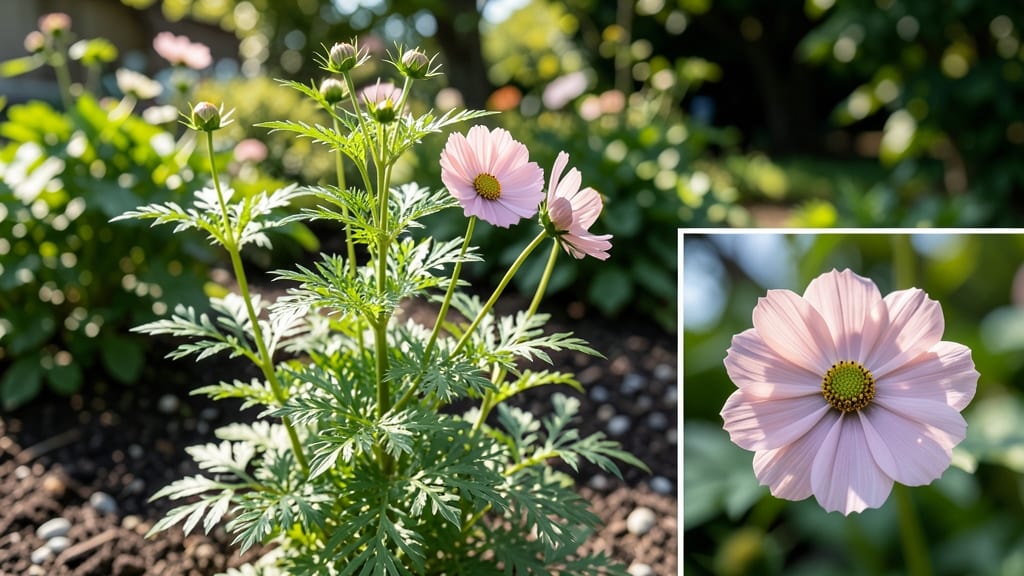
If you're dreaming of a garden bursting with cosmos flowers 🌸, when do cosmos flowers bloom is the first question to answer for a stunning summer-to-fall show. These cheerful blooms don't just appear—they follow nature's calendar, and knowing when to expect them can transform your gardening game.
For most gardeners in USDA Zone 6a (like me!), cosmos typically burst into color between July and October, with peak blooming in August and September. But here's the catch: cooler climates might see them start a little later, while warmer zones could enjoy early blooms as soon as June.
What makes this even more exciting is how easy it is to control their blooming window. Plant your seeds after your last frost (usually April-May for Zone 6a), and you'll be rewarded with non-stop color—if you give them the right care.
I'll show you exactly how to make your cosmos bloom longer and brighter than ever.
Whether you're planning your summer garden or just curious about when to expect those cheerful faces, this month-by-month guide will help you time everything perfectly. Let's dive into the details so you can enjoy cosmos blooms all season long!
Cosmos flower blooming timeline by USDA Zone (month-by-month)
If you’ve planted cosmos seeds hoping for a burst of color, knowing the blooming timeline for your USDA zone is key. Cosmos thrive in warm weather, but their exact bloom schedule varies dramatically depending on where you garden.
From cool northern zones to hot southern climates, timing can shift by months. Let’s break down when to expect those cheerful daisy-like blooms in every zone.
Cosmos are fast-growing annuals that typically bloom 60-90 days after planting, but cooler climates delay their start. In USDA zones 3-5, you’ll need to wait until summer heat arrives, while zones 8-11 may see early blooms as soon as late spring.
Understanding these patterns helps you plan companion plants and maximize your garden’s seasonal interest.
Climate factors like frost dates, summer heat, and rainfall also influence bloom timing. For example, drought stress can delay flowering, while consistent moisture in early growth speeds up blooms. Let’s explore the month-by-month breakdown to help you anticipate those vibrant cosmos blooms all season long.
In USDA zones 3-4, where summers are short, cosmos often wait until mid-July to begin blooming. This delay happens because cooler spring temperatures slow germination and growth. By August and September, you’ll see peak blooms, with flowers lasting until the first frost in early October.
To extend their season, plant cosmos in full sun locations and use black plastic mulch to warm the soil faster.
Gardeners in zones 5-6 enjoy an earlier start, with blooms appearing as soon as late June. The peak bloom period stretches from July through August, and with proper care, cosmos can continue flowering into October.
These zones benefit from consistent moisture during early growth to prevent delays. If your summers are dry, consider installing a drip irrigation system to keep plants thriving.
For those in warmer zones 7-8, cosmos are prolific bloomers starting as early as May or June. The long bloom season continues through September, with some varieties lasting until November.
In these regions, cosmos are drought-tolerant once established, making them ideal for low-maintenance gardens. However, they still appreciate regular deadheading to encourage more blooms.
In USDA zones 9-10, the bloom season begins even earlier, with flowers appearing by April or May. The peak bloom period spans from May through October, and with mild winters, some cosmos may even bloom into November or December.
These zones offer the longest bloom windows, making cosmos a reliable choice for year-round color in many areas.
Gardeners in Zone 11 experience the most extended bloom season, with cosmos flowering from March through November. The tropical climate provides ideal conditions year-round, though blooms may slow during the coolest winter months.
Even here, a little seasonal pruning can refresh plants and encourage new growth when temperatures rise again.
To maximize your cosmos blooms, time your planting right. In cooler zones, start seeds indoors 6-8 weeks before the last frost or sow directly after soil temperatures reach 60°F.
In warmer zones, you can plant as early as February or March for a head start. Always choose a sunny, well-drained spot to ensure healthy growth and vibrant flowers.
Remember, deadheading spent blooms is the secret to prolonging your cosmos display. Pinch off faded flowers regularly to encourage new buds, and watch your plants reward you with continuous blooms throughout the season. With these timing tips, you’ll enjoy cosmos flowers from early summer to frost—no matter where you garden!
How to extend cosmos blooms: season-long care tips
Once you know when do cosmos flowers bloom, the next step is making sure they keep coming back for weeks—even months! The secret lies in a few simple but powerful techniques that I’ve tested in my own garden.
Cosmos are forgiving, but they’ll reward you with longer, more abundant blooms if you give them just a little extra attention. Let’s start with the easiest trick: deadheading.
Deadheading isn’t just for roses—it’s a game-changer for cosmos too. By snipping off spent blooms, you’re telling the plant to redirect its energy into producing new flowers instead of seeds. I like to do this first thing in the morning when the blooms are still damp with dew.
Grab your pruners and cut just above a set of leaves or a side branch. This encourages bushier growth and more blooms. Trust me, your cosmos will thank you with a second wave of flowers!
Now, let’s talk soil nutrition. Cosmos aren’t picky, but they do love a little boost to keep flowering strong. I use a balanced fertilizer (5-10-10) every 4-6 weeks during the growing season.
The key is to feed lightly but consistently—think of it like giving your plants a steady snack rather than a heavy meal. Too much fertilizer can lead to lush foliage but fewer blooms, so moderation is key.
Mix a tablespoon into the soil around the base of each plant and water it in well.
🌸 Top 5 Tips to Extend Cosmos Blooms
- 1. Deadhead daily: Snip spent blooms to encourage continuous flowering.
- 2. Feed lightly: Use 5-10-10 fertilizer every 4-6 weeks.
- 3. Water deeply: Soak roots once a week (more in heat).
- 4. Mulch heavily: Retain moisture and cool roots with 2-3 inches.
- 5. Plant companions: Pair with basil or marigolds to repel pests.
Watering might seem straightforward, but it’s where many gardeners go wrong. Cosmos are drought-tolerant once established, but that doesn’t mean you should neglect them. The trick is to water deeply but infrequently.
I aim for about 1-2 cups of water per plant once a week, but in the heat of summer, I might water every 5-7 days. Always water in the morning to reduce evaporation and fungal risks.
Overhead watering can lead to mildew, so a drip irrigation system or soaker hose is ideal.
Don’t underestimate the power of companion planting either! Cosmos pair beautifully with herbs like basil and marigolds. Basil not only deters pests but also enhances the flavor if you’re growing them near your veggie patch.
Marigolds repel nematodes and other soil-borne pests, creating a healthier environment for your cosmos. I’ve seen a noticeable difference in bloom longevity when I plant these companions nearby. Plus, the colors look stunning together!
Finally, a little extra care goes a long way. I always add a 2-3 inch layer of mulch around my cosmos plants to retain moisture and keep the roots cool. Organic mulch like straw or shredded leaves also breaks down over time, adding nutrients to the soil.
And if you notice any yellowing leaves or stunted growth, it might be time to check for pests or adjust your care routine. With these simple steps, your cosmos will bloom like crazy from July through October—or even longer!