
Flowers
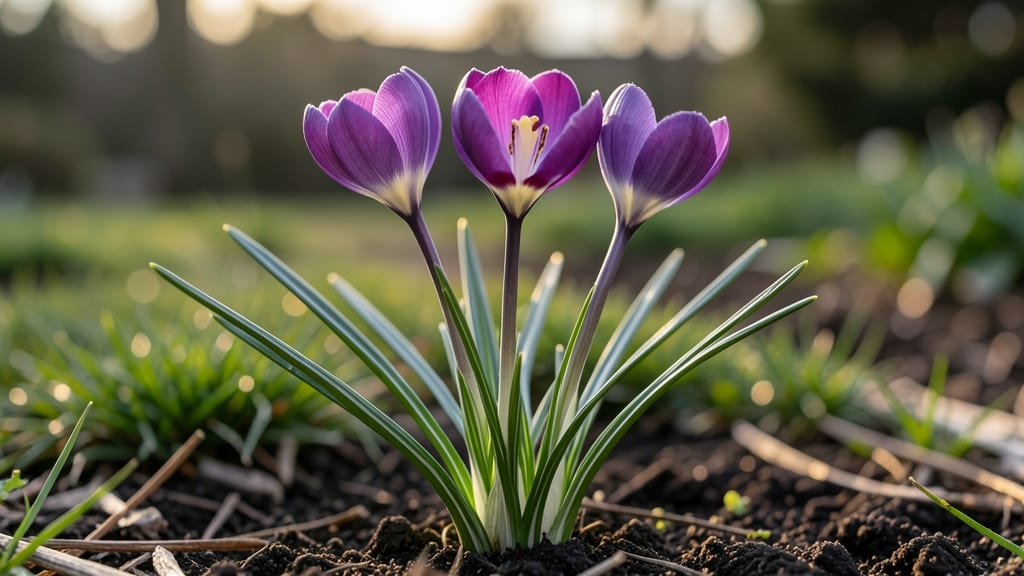
If you’ve ever spotted those cheerful purple, white, or yellow 🌸 popping up through snowdrifts, you’ve met the crocus—the first flower to announce spring’s arrival.
These hardy blooms often push through frozen ground as early as February in warmer zones, sometimes even in late winter, while cooler climates like Zone 6a might see them emerge in March or April.
The exact timing depends on your region, but most gardeners agree: crocuses are nature’s way of saying, “Winter’s over!” Whether you’re in a mild Southern climate or a chilly Northern spot, understanding their bloom window helps you plan for that first splash of color.
I’ll break down how climate, sunlight, and even planting depth can shift their schedule—and which varieties bloom earliest.
You might be surprised to learn that some crocus types, like the Dutch varieties, can bloom as early as January in the right conditions, while others wait until late spring. The key to encouraging early blooms?
Well-draining soil, full sun, and planting them deep enough to protect the corms from temperature swings. Let’s dive into how to give your crocuses the best shot at making a grand entrance.
From choosing the right variety to adjusting your care routine, these tips will help you enjoy those 🌸 sooner than ever. Whether you’re a seasoned gardener or just starting, timing is everything—and crocuses are the perfect teachers.
Crocus bloom timing: exact months and climate factors
Crocuses are nature's way of announcing spring's arrival, often pushing through snow or frost weeks before other flowers make their debut. Their bloom timing is a fascinating interplay of temperature cues, daylight exposure, and climate zones.
In most regions, you'll see those cheerful blooms emerge between late February and early April, but the exact timing varies dramatically depending on where you live.
The key to understanding crocus bloom timing lies in their vernalization process—a biological requirement for cold exposure that triggers flowering. After planting corms in fall (September-October), they need a period of cold dormancy before they'll bloom.
This is why you'll often see crocuses flowering earlier in warmer climates like USDA Zones 8-10 (as early as January) compared to colder Zones 3-5 where blooms may wait until April.
| Climate Zone | Typical Bloom Window | Key Temperature Trigger | Sunlight Needs |
|---|---|---|---|
| Zones 3-5 (Cold Continental) | Late March - Early April | 50°F+ for 3+ weeks after dormancy | 6+ hours full sun |
| Zones 6-7 (Temperate) | Mid-February - Mid-March | 45°F+ consistent nights | 5-6 hours sun |
| Zones 8-10 (Mild Winters) | January - Early February | 40°F+ daytime temps | 4-5 hours sun |
| High Altitude (5,000+ ft) | Late April - May | 60°F+ required | 6+ hours sun |
Sunlight exposure plays a surprisingly large role in determining exactly when your crocuses will bloom. While they can tolerate partial shade, full sun exposure (6+ hours daily) triggers earlier and more abundant flowering.
In my own garden, I've noticed that crocuses planted in south-facing beds bloom 2-3 weeks earlier than those in shaded areas. This is because sunlight helps regulate the plant's internal clock, signaling it's time to break dormancy.
Another fascinating factor is the chilling requirement that varies by variety. Most spring-blooming crocuses need 8-12 weeks below 40°F to properly vernalize, but some autumn-blooming varieties (like Crocus sativus) prefer milder winters.
If you're in a region with mild winters, you might need to pre-chill corms in your refrigerator for 6-8 weeks before planting to ensure reliable blooms.
Don't be fooled by early blooms appearing in warm spells during winter—these are often autumn-blooming varieties or plants that emerged prematurely. True spring crocuses wait for consistent daylength increases (12+ hours of daylight) to trigger their blooming process.
This is why you'll rarely see them flowering before late February in most climates, regardless of how warm it gets earlier.
Microclimates within your garden can also create staggered bloom times. Crocuses planted near stone walls or south-facing foundations often bloom earlier because these areas warm up faster.
I've even seen a 10-day difference in bloom times between crocuses in full sun versus those under deciduous trees that haven't yet leafed out. Pay attention to these microclimate patterns in your own space.
For gardeners in warmer climates, the challenge isn't getting blooms early enough—it's preventing crocuses from flowering too early and getting damaged by late winter frosts.
In Zone 9, I've had to plant some corms deeper (4-5 inches) to delay blooming until after our February frost danger date. The deeper you plant, the longer it takes for the corm to sense warmth and trigger growth.
One common misconception is that crocuses need constant moisture to bloom well. In reality, they perform best with well-draining soil and minimal watering once established. Overwatering can actually delay blooming by keeping corms too wet during their dormant period.
In my experience, crocuses that receive weekly watering only during active growth (March-May) bloom more reliably than those kept too moist.
To predict when your specific crocuses will bloom, start by checking your USDA hardiness zone and then add or subtract 1-2 weeks based on your local microclimate. Keep a garden journal for a few years to track patterns—you'll soon recognize the exact temperature thresholds that trigger blooms in your area.
This knowledge will help you time companion plantings perfectly, like pairing early crocuses with tulip bulbs for a sequential spring display.
Remember that crocus blo
How to encourage early crocus blooms in your garden
Ready to see those vibrant crocus blooms weeks before your neighbors? The secret lies in mimicking their natural conditions—well-draining soil, full sunlight exposure, and precise planting techniques.
Unlike many spring flowers, crocuses thrive when they’re planted deep enough to protect their corms from temperature fluctuations, which can delay blooming. I’ve found that planting them 3-4 inches deep in sandy loam or amended garden soil triggers earlier growth in my Zone 6a garden.
One of my biggest mistakes was planting crocuses too shallowly—it led to uneven blooming times. The key is to bury them deep enough so the corms stay cool through winter but still receive enough light to spur early growth.
Pair this with minimal winter mulch (just a light layer of straw) to prevent overheating, and you’ll create the perfect environment for those 🌸 to push through the soil faster.
5 Pro Tips for Early Crocus Blooms
- 1. Plant corms 3-4 inches deep in well-draining soil by October—this gives roots time to establish before winter.
- 2. Choose a sunny spot with 6+ hours of sunlight daily—crocuses need full sun to bloom early.
- 3. Avoid overwatering in winter—drought-tolerant corms rot in soggy soil, delaying blooms.
- 4. Add compost to planting holes for nutrient-rich soil—this fuels faster early growth.
- 5. Skip heavy mulch until after blooming—light straw protects without smothering.
Another trick I swear by is stratifying corms before planting. If you’re buying crocuses in late summer, store them in a cool, dry place (like a paper bag in the fridge) for 4-6 weeks to mimic winter dormancy.
This jumpstarts their growth cycle, often resulting in blooms 2-3 weeks earlier than unstratified corms. I’ve seen Dutch crocuses bloom as early as late February when stratified properly!
Don’t overlook the power of light fertilization in early spring. After the blooms fade, apply a balanced 5-10-10 fertilizer lightly around the base—this encourages strong root systems for next year’s 🌸.
I use just 1 tablespoon per 10 sq ft to avoid burning the delicate foliage. Over-fertilizing can actually delay blooming by promoting too much leaf growth at the expense of flowers.
Finally, pay attention to your local microclimate. Crocuses planted near south-facing walls or patio stones often bloom earlier because they absorb and retain heat. In my garden, the ones near the brick wall emerged 10 days sooner than those in open ground.
If you’re in a cooler zone, try planting crocuses near a heat-retaining surface to give them that extra warmth boost.
With these techniques, you’ll enjoy those cheerful 🌸 sooner than ever—sometimes even through late winter snow. The key is patience and precision: deep planting, minimal winter moisture, and strategic sunlight exposure work together to bring out the best in your crocuses. Happy gardening!