
Flowers
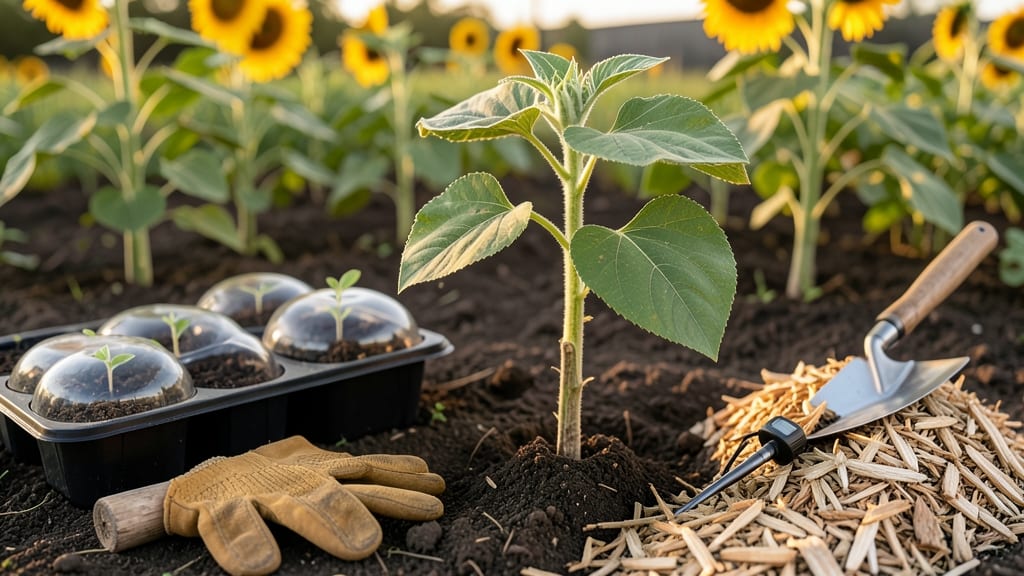
Planting sunflowers in Tennessee at the wrong time means watching your 🌻 towering beauties wither before they even bloom. The key to success? Timing it perfectly after the last frost—typically between mid-April and early June—when soil temperatures hit that sweet spot for germination.
Here’s the catch: Tennessee’s diverse climate—from the cooler mountain regions to the warmer valleys—means your planting window could vary by weeks.
In the 6a-7b zones, high-altitude areas like the Great Smoky Mountains may need to wait until late April, while lowland spots near Memphis can start as early as March if the soil is workable.
Whether you’re direct sowing or transplanting, getting this right ensures your sunflowers grow tall and strong, reaching their full 6-14 foot potential without frost damage. I’ll break down the exact county-specific heat zones and microclimate tips so you never miss the best time to plant.
Ready to grow sunflowers that stand taller than your fence? Let’s dive into the zero-frost planting windows that work for your Tennessee backyard.
Tennessee heat zones explained: how to find your county’s planting window
Tennessee’s USDA Plant Hardiness Zones range from 5a (coldest) in the mountains to 8a (warmest) in the southwest. These zones determine when to plant sunflowers without risking frost damage.
For example, East Tennessee (like Knoxville) has later last-frost dates than West Tennessee (like Memphis), meaning you’ll plant sunflowers 2-3 weeks earlier in the west. Always check your county’s average frost dates—they’re your planting deadline.
Sunflowers are heat-loving annuals that need 60-90 frost-free days to mature. In Tennessee, this means planting between mid-April and early June, depending on your zone. The key is avoiding late-spring frosts, which can kill young seedlings.
Use your local extension office’s frost calendar (like UT Extension or TN State University) to pinpoint your exact window. For instance, Nashville (Zone 7a) typically plants in early April, while Chattanooga (Zone 6b) waits until mid-April.
High-altitude areas (like the Great Smoky Mountains) may need to delay planting until late May due to cooler microclimates. Conversely, lowland valleys (like the Mississippi River floodplain) can start as early as March if soil temperatures exceed 60°F. Always test soil warmth with a soil thermometer—sunflowers won’t sprout until the ground reaches 55-60°F.
If you’re unsure of your exact zone, use the USDA Interactive Plant Hardiness Map or check your county agricultural extension service. For example, Shelby County (Memphis) falls in Zone 8a, while Sevier County (Pigeon Forge) is in Zone 6a.
This 10°F temperature difference can shift your planting window by 3-4 weeks. Always err on the side of planting later—sunflowers handle heat better than cold.
For direct sowing outdoors (the easiest method), wait until soil temperatures consistently stay above 60°F. In Zone 7a (Nashville), this is usually mid-April, but in Zone 6b (Chattanooga), it’s early May. Use a soil thermometer to confirm—sunflower seeds won’t germinate in cold soil.
If you’re starting seeds indoors (for early blooms), begin 6-8 weeks before your last frost date. For Nashville, that’s early March; for Knoxville, it’s late March.
One common mistake is planting sunflowers too early in Zone 6a areas, only to see them frosted out by late-May cold snaps. Always monitor weekly frost forecasts from the National Weather Service and adjust your timeline.
For example, if your last frost date is April 15, plant sunflowers 3-4 weeks after that date to ensure they’re established before summer heat arrives. This gives your plants 60+ days to mature before first frost in October.
Pro tip: Use black plastic mulch to warm the
Sunflower planting calendar by Tennessee region: when to start seeds indoors vs. direct sowing outdoors
Tennessee’s diverse climate means your sunflower planting schedule depends heavily on whether you’re in East Tennessee’s mountains, Middle Tennessee’s valleys, or West Tennessee’s lowlands.
In cooler high-altitude areas like Knoxville or Chattanooga, wait until late April to avoid frost damage, while Memphis or Jackson gardeners can start as early as mid-March if soil temperatures stay above 55°F.
For direct sowing outdoors, aim for 2-4 weeks after your last frost date, when soil is consistently 60°F or warmer. This typically lands between mid-April and early May across most of Tennessee.
Meanwhile, indoor seed starting can begin 6-8 weeks before transplanting, usually around mid-March for West Tennessee and late March for East Tennessee.
If you’re growing tall varieties like 'Mammoth' (12+ ft), prioritize direct sowing outdoors after May 1st to avoid weak stems from transplant shock. For dwarf varieties (3-5 ft), you can push the timeline earlier by 2-3 weeks, as they’re more cold-tolerant.
For late bloomers, extend your season by choosing heat-tolerant varieties like 'Autumn Beauty' or 'ProCut' and sowing successive batches every 2 weeks through early June. This ensures continuous blooms from July through October, even as temperatures climb.
Always check your local frost dates using the Tennessee State Climatology Office or Old Farmer’s Almanac for precise timing. A frost cloth can buy you an extra 2-3 weeks if late frosts threaten your young seedlings.
Pro tip: Test your soil temperature with a soil thermometer—sunflowers won’t germinate below 55°F, even if the air feels warm. Planting at the right time means bigger blooms and fewer pests, so don’t rush the process! 🌻