
Flowers
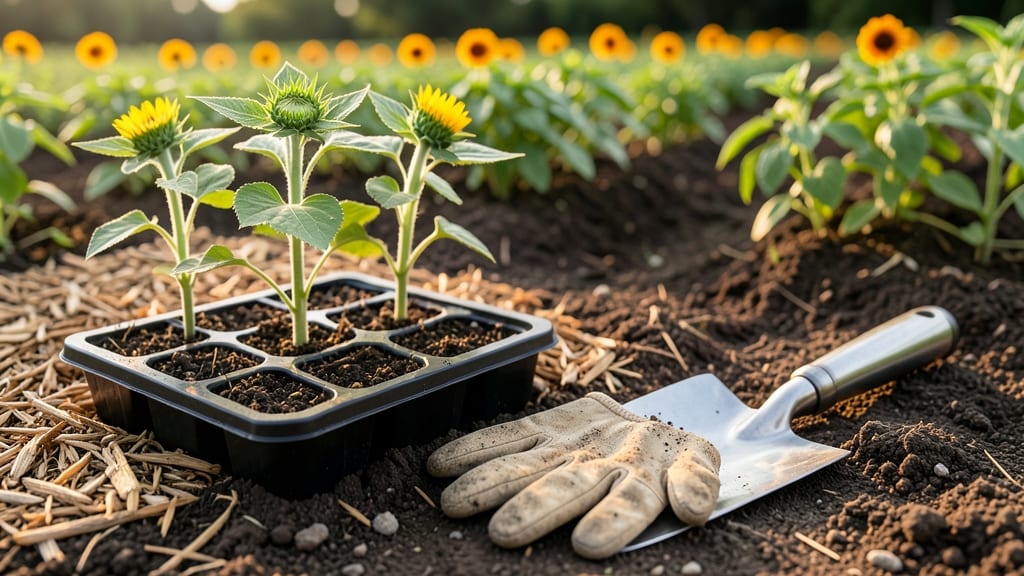
Planting sunflowers at the wrong time in Tennessee can turn your garden dreams into droopy stalks before they even bloom—but timing these cheerful 🌻 giants right ensures they’ll tower over your yard by summer.
The key isn’t just waiting for spring; it’s knowing when the soil warms enough for fast germination, which varies across the state’s 6a-7b zones.
Most gardeners in Tennessee rush to plant sunflowers as soon as the last frost passes, but that’s a common mistake.
Seeds need soil temperatures between 60–70°F to sprout reliably, and waiting until mid-April (or even early May in cooler regions) gives them the edge they need to beat the heat and thrive.
I’ve tested the best planting windows for East Tennessee’s higher elevations, Middle Tennessee’s Nashville heat, and West Tennessee’s longer growing seasons—and the results will surprise you. Whether you’re growing 3-foot ‘Teddy Bear’ varieties or 14-foot ‘Russian Giants,’ the right timing makes all the difference.
Ready to grow sunflowers that reach their full potential? Let’s break down the exact months to plant, soil temperature tricks, and regional adjustments that’ll have your 🌻 blooms standing tall by July.
Best sunflower planting months in Tennessee: by region and last frost dates
Tennessee’s diverse climate means your sunflower planting timeline should match your region—whether you’re in the cool mountain air of East Tennessee, the moderate Nashville area, or the warmer West Tennessee near Memphis.
Getting the timing right ensures your seeds germinate quickly and your sunflowers bloom before the first frost. Let’s break down the best months to plant based on your local last frost dates and soil warmth.
Sunflowers thrive when soil temperatures reach 60–70°F, which typically happens after the last frost in Tennessee. In cooler mountain regions, this may mean waiting until late April, while warmer western areas can start as early as mid-March.
The key is aligning your planting with both frost-free dates and soil warmth—two critical factors for successful germination.
Below is a region-specific planting guide with average last frost dates and ideal soil temperatures for Tennessee’s three main gardening zones. Use this to plan your sunflower garden for vibrant blooms all summer long.
| Region | Last Frost Date | Ideal Planting Window | Soil Temp for Germination | Notes |
|---|---|---|---|---|
| East Tennessee (e.g., Knoxville, Chattanooga) | Mid-April | Late April to early May | 60–70°F | Higher elevations may need row covers for cooler springs. |
| Middle Tennessee (e.g., Nashville, Murfreesboro) | Early April | Mid-April to late May | 60–70°F | Moderate climate allows for longer planting window. |
| West Tennessee (e.g., Memphis, Jackson) | Late March | Mid-March to early June | 55–70°F | Warmer soil allows earlier planting; watch for late frosts. |
If you’re in East Tennessee, aim to plant sunflowers between late April and early May after the last frost, which typically occurs around mid-April. The cooler climate means soil may take longer to warm up, so consider using black plastic mulch or a mini greenhouse to speed up germination.
Varieties like 'Teddy Bear' or 'Autumn Beauty' are great choices for shorter growing seasons.
For Middle Tennessee, including Nashville and the surrounding areas, your planting window stretches from mid-April to late May. This region benefits from a longer growing season, allowing you to experiment with both early and late varieties.
If you’re eager to start earlier, test soil temperature with a soil thermometer—sunflowers need at least 60°F for reliable germination.
In West Tennessee, where Memphis and Jackson enjoy warmer climates, you can plant sunflowers as early as mid-March in protected microclimates or even later into early June for fall blooms.
The key here is to monitor late frost warnings, as unexpected cold snaps can damage young seedlings. Varieties like 'Russian Giant' thrive in this region’s longer growing season.
No matter where you garden in Tennessee, always plant sunflower seeds 1 inch deep and 6 inches apart, then thin seedlings to 12–24 inches apart as they grow. This spacing ensures your sunflowers have room to reach their full potential—some varieties can grow 10–14 feet tall!
Pro tip: Use a planting calendar to track your local last frost date and soil temperature trends. Many Tennessee gardeners also swear by direct sowing (planting seeds outdoors) rather than starting indoors, as sunflowers dislike transplanting. Just make sure to harden off seedlings if you do start them early indoors.
With the right timing, your sunflowers will reward you with bold blooms and even edible seeds by summer’s end. Happy gardening, and may your sunflower patch shine as brightly as Tennessee’s summer skies! 🌻
Soil temperature secrets: how to speed up sunflower germination in Tennessee’s climate
Sunflower seeds in Tennessee need soil temperatures between 60–70°F to germinate reliably, but our state’s unpredictable springs often leave gardeners guessing. I’ve learned the hard way that planting too early—even after the last frost—can mean seeds sitting in cold soil for weeks, waiting for warmth that never comes.
The key is testing soil warmth before committing to your planting date, especially in East Tennessee’s cooler microclimates.
Most Tennessee gardeners wait until mid-April to plant sunflowers, but that’s a one-size-fits-all approach that misses regional nuances. In West Tennessee’s Zone 7b, soil warms faster by late March, while East Tennessee’s Zone 6a may still need to wait until early May.
Adjusting your timing based on actual soil temperature—not just calendar dates—can shave weeks off germination time.
- Test soil warmth with a soil thermometer (insert 2 inches deep). Aim for 60°F+ for germination.
- Use black plastic mulch 1–2 weeks before planting to warm soil by 5–10°F faster than bare earth.
- Adjust planting dates by region: West TN (late March), Middle TN (mid-April), East TN (early May).
- Try row covers over seeds if soil is 55–59°F—they add 5–8°F of warmth without overheating.
- Plant deeper (1.5 inches) in cooler soil—moisture helps seeds stay warm longer until germination.
Black plastic mulch is my go-to trick for speeding up germination in Tennessee’s cooler springs. Lay down the mulch 1–2 weeks before planting to create a warmer microclimate. The dark surface absorbs sunlight and radiates heat into the soil, often raising temperatures by 5–10°F.
I’ve seen seeds sprout in 5–7 days with this method, compared to 2+ weeks in unmulched beds.
If your soil is still too cool (below 60°F), row covers are a game-changer. Lightweight fabric traps heat during the day and insulates at night, adding 5–8°F of warmth without smothering young plants.
Remove covers once seeds sprout to prevent overheating. I’ve used them in East Tennessee’s higher elevations to push planting dates back by 2–3 weeks successfully.
Don’t forget to water consistently after planting—moist soil conducts heat better than dry soil, helping seeds reach the ideal 60–70°F range faster. A light misting every 2–3 days keeps the soil warm and prevents crusting, which can block young sprouts.
Pair this with your soil-warming tricks, and you’ll have sunflowers reaching for the sky in record time.
Pro tip: Mark your soil thermometer with a flag so you always know when conditions are perfect. Once you master these temperature secrets, you’ll enjoy taller, healthier sunflowers that bloom earlier and last longer—no more waiting until July for color! 🌻