
Flowers
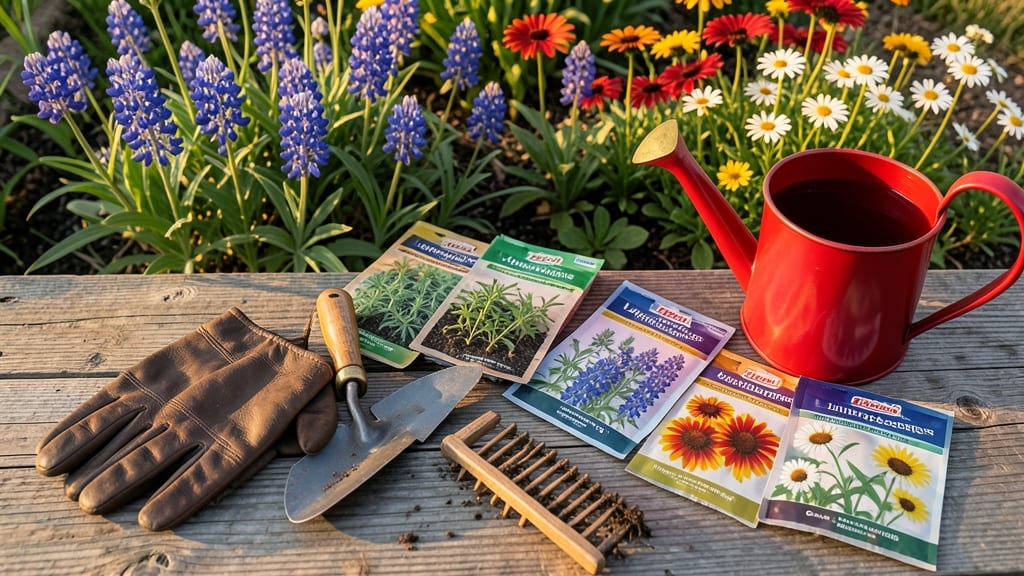
Planting flowers in North Texas at the wrong time means watching your hard work wither before it even blooms—especially when those unpredictable freezes can strike any month.
The key to zero-frost survival for your 🌸 lies in timing it right, whether you're sowing cool-season pansies in late February or heat-loving zinnias in August.
I’ve learned the hard way that rushing spring plantings before March 15 (our average last frost date) often leads to sad, frost-nipped seedlings. But the good news? Fall is your secret weapon—planting perennials in August gives them roots to anchor through winter, so they burst into color by April.
This isn’t just about throwing seeds in the dirt and hoping for the best. We’re talking science-backed deadlines for annuals, perennials, and bulbs, plus how to adjust for North Texas’s brutal summers and microclimates. Let’s break it down so your garden thrives year-round.
Ready to stop guessing and start growing? I’ll walk you through the exact months to plant, what to watch for, and even which flowers handle our extremes like champs. Your spring and fall planting calendar starts right here.
Optimal North Texas flower planting calendar: spring vs. fall deadlines
North Texas gardeners know timing is everything—especially when it comes to planting flowers. With USDA zones 7b-8a and unpredictable frost dates, choosing the wrong window can mean lost blooms.
The key is understanding cool-season flowers (like pansies) thrive in spring, while heat-lovers (like lantana) demand fall planting. Let’s break down the perfect schedule to maximize blooms year-round.
Your last average frost date in North Texas is around March 15, but don’t rely on averages—watch for consistent 50°F soil temps. For fall planting, aim for August-September to establish roots before winter.
Below, you’ll find a side-by-side comparison of when to plant your favorite flowers for zero-frost success.
For spring planting, start with cool-season annuals like pansies and snapdragons in late February—they’ll handle light frosts.
Wait until after March 15 for heat-lovers like zinnias and lantana, as they’ll wilt in cold soil. Perennials like Black-Eyed Susans can go in as early as February, but avoid planting until soil warms to 60°F.
Fall is your second chance for heat-loving annuals—plant lantana and zinnias in August
5 Signs you’re planting too early (and how to fix it)
I’ve seen it happen too many times—gardeners in North Texas rushing to plant marigolds in February or zinnias in March only to watch their tender seedlings turn to mush when a surprise frost hits.
The problem? Ignoring soil temperatures and local microclimates can turn your eager plantings into a sad, icy snack for late-night critters.
North Texas’s USDA Zone 8a might seem forgiving, but our unpredictable freezes (even in April!) mean timing is everything. If you’re seeing these 5 red flags, it’s time to hit pause on your trowel—your flowers will thank you.
Soil temp below 60°F = seeds rot before sprouting. Night temps dipping to 32°F = instant frost damage. Microclimates matter: A shady corner stays colder than a sunny bed!
Fix it: Wait for consistent 60°F+ soil temps (use a soil thermometer!) and check your local last frost date—usually March 15 for most of North Texas.
First sign? Your seeds aren’t sprouting despite your best efforts. If you’ve planted marigolds or zinnias in February, you’re likely dealing with cold soil that’s too damp and slows germination.
Seeds need warmth (60-70°F) to wake up—otherwise, they’ll just sit there, waiting for spring while your neighbors’ gardens explode with color.
Second red flag: Yellowing leaves on young seedlings. This isn’t just nutrient deficiency—it’s your plants’ way of saying, “We’re too cold!” Cool-season crops like pansies can handle lighter frosts, but tender annuals (think impatiens or petunias) will bolt or rot if planted before April 1.
Third, check your plant growth stunts. If your basil or geraniums are growing like they’re wearing a lead vest, your soil’s too cold. Root development halts below 55°F, so even if leaves pop up, roots stay shallow—making plants prone to uprooting in wind or rain.
Fourth warning: Pest problems spike when you plant early. Slugs, cutworms, and aphids love weak, stressed seedlings. If you’re seeing chewed leaves or slimy trails at night, your plants are too vulnerable—wait until soil warms and pests are less active.
Finally, if your flowers bloom early but fade fast, you’ve likely planted heat-sensitive varieties too soon. Zinnias or sunflowers might bolt (go to seed) before summer hits, while cosmos or lantana will languish in cool soil.
The fix? Stick to the calendar: March-April for spring, August-September for fall.