
Flowers
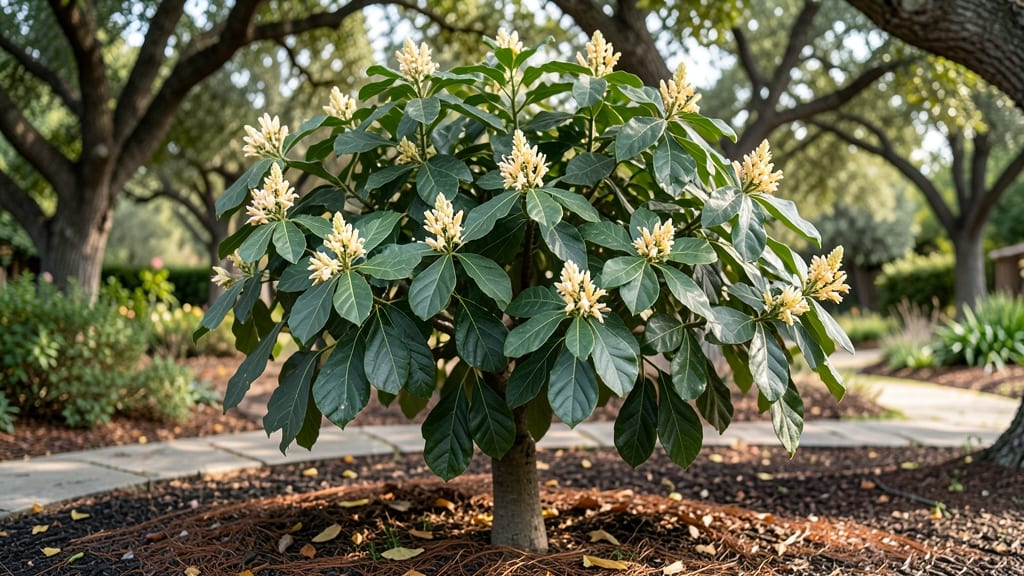
If you’ve ever wondered when does avocado flower, the answer might surprise you—because timing depends more on your tree’s personality than the calendar. Some 🥑 trees burst into bloom in spring, while others wait until fall, and a few even need a partner to set fruit.
Miss this window, and you could be waiting years for those creamy, nutrient-rich avocados.
For home gardeners in USDA zones 9-11, flowering usually kicks off in late winter or early spring, but varieties like Hass and Fuerte have their own quirks. Type A trees bloom in spring, while Type B trees prefer cooler months—meaning you might need both types for successful pollination.
Understanding these patterns is the first step to a bountiful harvest.
Climate plays a huge role too. Too much rain or heat can delay blooms, while a dry spell might trigger flowers earlier. I’ll break down how to spot the signs your tree is about to flower—from new growth to those tiny, fragrant buds—and what it means for your fruit yield.
Ready to turn your avocado tree into a fruiting powerhouse? Let’s dive into the exact timing, variety differences, and pro tips to ensure your 🥑 tree doesn’t waste another season blooming alone.
Avocado flowering timeline by variety: type a vs Type B trees
Understanding whether your avocado tree is a Type A or Type B is the first step to predicting flowering. These classifications determine when your tree blooms and whether it needs a partner for pollination. Type A trees flower in late spring (May-June), while Type B trees bloom in fall/winter (September-November).
This alternating pattern ensures continuous pollination opportunities in ideal conditions.
The Hass avocado, the most popular variety, is a Type B tree, meaning it flowers in fall. Meanwhile, Fuerte and Reed varieties are Type A, blooming in spring.
Planting both types in your garden maximizes your chances of successful fruit production, as they pollinate each other naturally. Without a partner, you might see flowers but no fruit development.
Age matters too—avocado trees typically don’t flower until they’re 3–5 years old, even with ideal conditions. Young trees focus energy on growth rather than reproduction. Patience is key, but providing full sun, well-draining soil, and regular watering can encourage earlier blooming in mature trees.
If you’re growing a single avocado tree, you might notice flowers but no fruit. This happens because avocados require cross-pollination—Type A and Type B flowers must interact to produce fruit. Without a partner, the flowers may drop off after a few days.
To solve this, plant at least two trees of different types within 50 feet of each other to ensure bees can transfer pollen efficiently.
Some varieties, like Fuerte, have a tendency to alternate fruiting years. This means they produce a heavy crop one year, then rest the next to recover. It’s a natural survival mechanism, but it can be frustrating for gardeners.
To encourage consistent production, prune lightly after harvest and avoid over-fertilizing with nitrogen, which promotes leafy growth over flowers.
Temperature also plays a role in flowering. Type A trees need warm spring days (70–80°F) to trigger blooms, while Type B trees respond to cooler fall temperatures (60–70°F).
In USDA Zones 8–11, these conditions align naturally, but in cooler climates, you might need to protect your tree from frost or use shade cloth to regulate temperatures.
Identifying flowers early can help you plan for fruit. Look for small, green buds that swell into clusters of yellow-green flowers. These flowers are hermaphroditic (containing both male and female parts), but they need pollen from another tree to set fruit.
If you spot flowers but no fruit forms, check if your tree has a pollination partner nearby.
Once you’ve confirmed flowering, expect fruit to appear 6–12 months later, depending on the variety. Hass avocados take about 9–12 months to mature, while Fuerte varieties may be ready in 6–9 months. Patience is key—avocado trees don’t rush their process! With the right variety pairing and care, you’ll
Climate zones and avocado flowering: how heat, cold, and rain affect timing
Avocado trees thrive in USDA zones 8–11, but their flowering timing shifts dramatically based on your local climate. In frost-free zones 9–11, blooms often appear year-round, while trees in cooler zone 8 may wait until late winter or early spring when temperatures stabilize.
Even a single frost event can kill flowers or young fruit, so protecting your tree is critical if you live near the zone 8 edge.
Rainfall also plays a surprising role. Too much moisture can delay blooming, while a dry spell in late winter often triggers flowers. I’ve seen trees in subtropical Florida bloom twice a year—once in spring and again in fall—thanks to seasonal shifts in humidity and temperature.
Understanding these patterns helps you predict when your tree will flower and adjust care accordingly.
Here’s the key takeaway: climate dictates everything—from bloom timing to fruit set. Use this as your guide to sync your avocado’s cycle with your local weather patterns.
When Avocados Flower by Climate
- 🌡️ Zones 9–11: Year-round blooms, peak in spring/fall
- ❄️ Zone 8: Late winter/early spring (Feb–Mar)
- 💧 Dry spells: Trigger early blooms in winter
- 🌧️ Heavy rain: Delays blooms until dry season
Temperature swings are another game-changer. Avocados need a consistent warm period (60–85°F) to set flowers, but sudden cold snaps can shock buds into dropping. In subtropical zones, like Southern California or Hawaii, trees often bloom in response to cooler winter nights followed by warmer days—a classic trigger for flowering.
If you’re in a hotter zone 10–11, like Florida or Puerto Rico, your tree might bloom twice a year. But watch for heat stress: temperatures above 90°F can cause buds to abort. Providing afternoon shade or mulching helps maintain steady soil temps, encouraging healthier blooms.
For gardeners in cooler zone 8, like parts of Texas or Arizona, a microclimate trick works wonders. Plant your avocado near a south-facing wall or use frost cloth to protect flowers during unexpected cold snaps. Even a 5°F drop can ruin a bloom cycle, so proactive protection pays off.
Ready to fine-tune your tree’s flowering? Start by tracking your local temperature and rainfall patterns—then adjust watering and shading to match your avocado’s natural cues. With the right conditions, you’ll see those first tiny, fragrant flowers in no time! 🌿