
Flowers
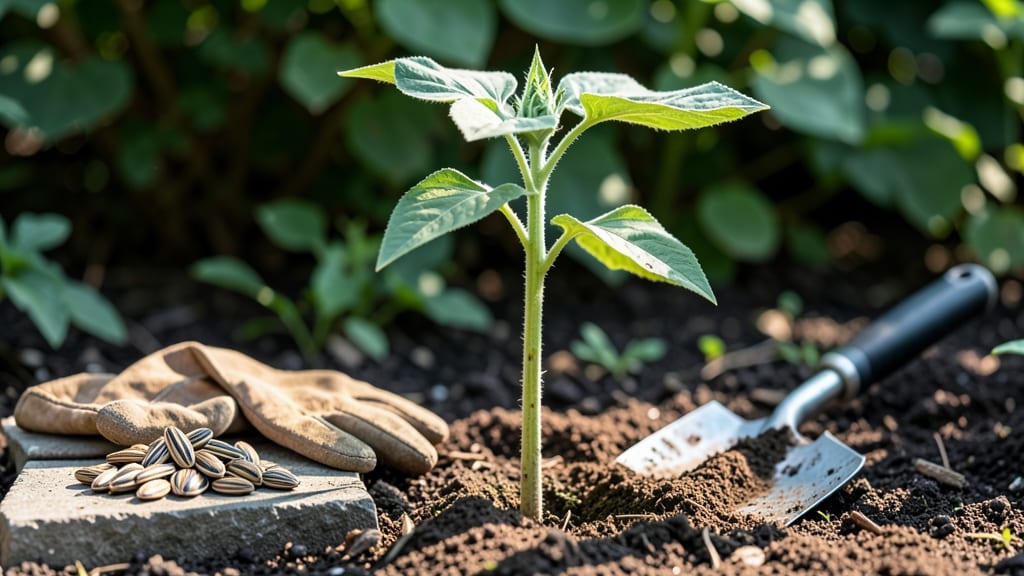
Planting sunflowers in Florida isn’t just about picking the best time to plant sunflowers in Florida—it’s about catching that perfect window when soil warmth triggers faster blooms and stronger stems.
With year-round growing potential but no frost to worry about, timing becomes all about avoiding Florida’s brutal summer heat while maximizing the 60–90 days to harvest.
Most gardeners assume spring is the only game-changer, but fall often delivers even better results—especially in Florida’s 8a-11 zones. The key? Wait until soil reaches 60°F at 4 inches deep, whether that’s February or September. Skipping this step means risking weak seedlings or bolting before they even open.
I’ve tested sunflowers across Florida’s microclimates, and the difference between a thriving 🌻 and a struggling one comes down to two things: soil temperature and variety selection. Dwarf types like ‘Teddy Bear’ handle heat better, while giants like ‘Russian Giant’ need cooler starts.
Let’s break down the exact months that work—and why your calendar might be missing the mark.
Ready to grow sunflowers that tower over your fence? You’ll learn how to read Florida’s heat signals, pick the right planting dates for your region, and keep your sunflowers blooming from spring through fall—without the guesswork. Let’s get those seeds in the ground the fastest, easiest way possible.
Florida sunflower planting calendar: when soil warmth meets ideal conditions
Florida’s sunflower planting success hinges on soil temperature, not just calendar dates. Unlike northern states, Florida’s microclimates create wildly different conditions from North Florida’s Zone 8a to South Florida’s Zone 11. The key?
Wait until soil reaches 60°F at 4” depth—this ensures faster germination and stronger stems before summer’s brutal heat arrives. Ignore this rule, and you’ll risk bolting (premature flowering) or stunted growth.
Most gardeners default to planting in March or September, but these dates don’t account for Florida’s unpredictable warmth. For example, a North Florida garden in Zone 8a might hit 60°F soil by early February, while South Florida’s Zone 10 could be ready by January.
The solution? Test your soil’s warmth with a soil thermometer—it’s the real planting trigger, not the calendar.
Here’s how Florida’s three main regions differ in planting windows, based on soil temperature and humidity patterns:
Testing soil temperature is simpler than you think. Use a soil thermometer (digital or analog) to check 4” below the surface—this mimics the depth where seeds germinate. In North Florida, aim for 60°F+ by February, while South Florida gardens can start as early as December.
Pro tip: Take readings in the late afternoon when soil is warmest, but avoid direct sunlight (it skews results).
Why does soil temperature matter more than dates? Sunflowers are heat-loving but need consistent warmth to avoid bolting (when they flower too early). Planting in cool soil (below 60°F) slows germination and weakens seedlings, making them vulnerable to Florida’s summer pests like aphids or spider mites.
The 60°F rule ensures seeds sprout quickly and develop strong roots before the heat intensifies.
For North Florida gardeners, the spring window (February–March) is ideal because it aligns with rising soil temperatures and longer daylight hours. However, if you miss this window, don’t despair—fall planting (September–October) works just as well.
The key is to avoid summer planting (June–August), when soil can exceed 90°F, causing seeds to rot or seedlings to wilt within days.
In Central and South Florida, where winters are milder, you can plant year-round with adjustments. For example, Central Florida’s Zone 9 can start seeds in January (when soil hits 60°F), while South Florida’s Zone 11 might see ideal conditions in December.
However, even in warm climates, summer planting is risky—the combination of high heat and humidity creates perfect conditions for fungal diseases like powdery mildew.
To test your soil’s readiness, bury the soil thermometer for
5 Proven tips to maximize sunflower growth in Florida’s heat
Florida’s scorching summers and humid air can turn sunflower dreams into wilted disappointments—but I’ve grown 🌻 in every zone from 8a to 11, and these 5 heat-beating strategies make all the difference. The key? Outsmarting the climate with smart watering, shade hacks, and variety selection that thrives when temps soar.
First, let’s tackle the biggest mistake most Florida gardeners make: ignoring the heat tolerance of sunflower varieties. Not all sunflowers handle our humidity equally. Dwarf types like ‘Teddy Bear’ (2–4 ft) bolt slower in heat, while towering ‘Moulin Rouge’ (10+ ft) needs cooler starts. Choose wisely—or risk weak stems.
- 🌡️ Wait for soil warmth: Plant when soil hits 60°F+ at 4" (spring: Feb-Mar; fall: Sep-Oct). Use a soil thermometer—don’t guess!
- 💧 Deep-water at dawn: Give 1–2 gallons per plant before 10 AM to prevent fungal rot. Avoid evening watering.
- 🌿 Shade seedlings: Use 50% shade cloth for first 2 weeks to block harsh rays. Remove after true leaves form.
- 🪴 Mulch heavily: Apply 3–4 inches of straw to retain moisture and block weeds. Replenish monthly.
- 🌻 Pick heat-tolerant varieties: ‘Autumn Beauty’ (red/purple) and ‘ProCut’ (disease-resistant) outperform others in Florida’s heat.
Once your sunflowers are in the ground, watering discipline is non-negotiable. I’ve seen 🌻 wilt in hours when watered at night—fungus thrives in damp leaves. Instead, deep-soak early (before 10 AM) with 1–2 gallons per plant. Let the soil dry slightly between waterings; overwatering in heat suffocates roots.
For seedling protection, I swear by 50% shade cloth during the first 2 weeks. Florida’s midday sun can fry delicate sprouts before they even stand. Remove the cloth once true leaves appear—your plants will thank you with bolder stems and bigger blooms.
Pro tip: Stake tall varieties early to prevent wind damage.
Don’t overlook mulching—this is your secret weapon against Florida’s dry spells. Spread 3–4 inches of straw around each plant (keep it 2 inches from stems to avoid rot). Mulch locks in moisture, blocks weeds, and keeps roots cool. Replenish it every month, especially in summer.
Finally, fertilize strategically. Skip summer feeding entirely—sunflowers go dormant in heat. Instead, feed twice in spring (at planting and 4–6 weeks later) with a 5-10-10 formula, then repeat in fall.
Too much nitrogen = leafy monsters, not blooms. Aim for balanced growth with phosphorus for those showstopper flowers.