
Companion Plants
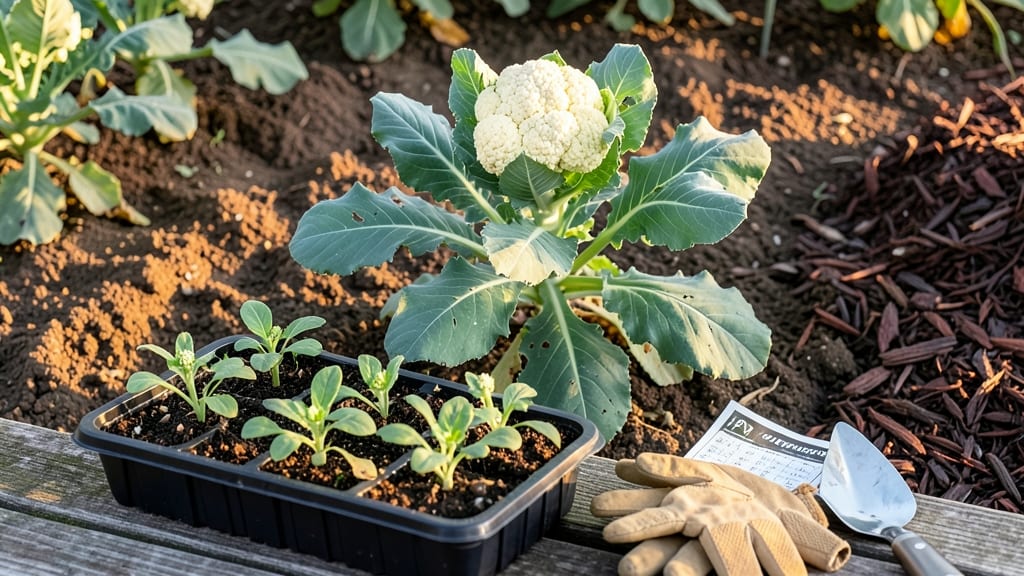
Timing your cauliflower 🥬 planting in Pennsylvania can make or break your harvest—get it wrong, and you’ll end up with bolted plants or frost-nipped heads.
The key is planting 4-6 weeks before your last frost (typically mid-March to early April for most of the state) or in late summer for a fall crop, but PA’s unpredictable climate demands extra attention.
Whether you're in zone 5b with later frosts or zone 7a where heat arrives early, the right schedule ensures your plants mature before temperatures swing. I’ll walk you through the exact frost-free windows for your region, plus how to stretch your growing season with simple tricks that actually work.
You’ll also discover why some varieties thrive in PA’s heat while others bolt prematurely—and how to pair cauliflower with the best companion plants to boost yields. No more guessing games: just a straightforward plan to grow bold, flavorful heads all season long.
Ready to transform your garden? Let’s dive into the perfect planting timeline for Pennsylvania’s microclimates, so you can enjoy homegrown cauliflower from June through November.
Pennsylvania cauliflower planting calendar by hardiness zone (PA zones 5b-7a)
Pennsylvania’s diverse microclimates mean your cauliflower planting timing must account for frost dates that vary by 10-14 days between zones. Whether you're in Pittsburgh (Zone 6b), Philadelphia (Zone 7a), or Scranton (Zone 5b), these windows ensure your cauliflower heads mature before frost strikes.
Let’s break down the frost-free planting schedule for each zone.
Cauliflower thrives in cool weather and struggles with heat over 85°F or frost below 28°F. That’s why we recommend two planting windows: early spring (for summer harvest) and late summer (for fall harvest).
The key is planting 4-6 weeks before your last frost or 100-120 days before your first frost, depending on your variety’s days to maturity.
Pro Tip: Use black plastic mulch in early spring to warm the soil faster, or row covers in fall to extend your harvest window. These tricks help zone 5b gardeners push their season just a little longer.
For zone 5b gardeners like those in Scranton, your last frost date is often May 1, so aim to plant cauliflower seedlings by April 1 for a summer harvest.
If you’re in zone 7a (Philadelphia), you can start as early as February 15 and enjoy an earlier spring harvest. The fall window works in reverse: plant July–August for a harvest before the first frost in October.
Choose early-maturing varieties like Snowball Y Improved (60 days) for spring planting or Purple of Sicily (75 days) for fall. These varieties give you flexibility to adjust your planting based on unpredictable PA weather.
Always check your seed packet for exact days to maturity and count backward from your first frost date.
In Pittsburgh (Zone 6b), where last frosts average April 1, I recommend starting cauliflower seeds indoors by February 1 and transplanting outdoors by March 15. For fall, direct-sow seeds by July 1 to ensure heads mature before the first frost around October 15.
Use a frost calendar or local weather app to track these dates—PA’s microclimates can shift 5-7 days from year to year!
Regional Tip: Philadelphia gardeners in zone 7a often get a longer growing season due to urban heat islands. If you’re in the city, you might push your fall planting to early August and still harvest before frost. Rural areas in zone 5b, however, should stick to the earlier windows to avoid late-season bolting.
One mistake I see often is planting cauliflower too late in spring and watching it bolt in PA’s summer heat. To avoid this, always plant early varieties in spring and late varieties in fall.
For example, Cheddar (70 days) is perfect for spring, while Romanesco (90 days) works better for fall. Match your variety to your zone and planting window for the best results.
Finally, remember that cauliflower needs consistent moisture—especially during head formation. In zone 6a and 6b, where summers can be dry, mulch your plants with straw or wood chips to retain soil moisture.
This simple step can mean the difference between crisp, sweet heads and bitter, underdeveloped ones. 🌱
How to extend your cauliflower season in Pennsylvania’s unpredictable climate
Pennsylvania’s unpredictable frosts and swinging temperatures can turn a great cauliflower harvest into a gamble. But with the right strategies, you can stretch your season and enjoy fresh heads from early summer through crisp fall.
The key? Cold-hardy varieties, protective covers, and smart planting techniques tailored to PA’s zone 5b-6a reality.
I’ve grown cauliflower in Pittsburgh and Scranton for years, and these methods have kept my plants thriving even when late frosts hit in May or early heat waves arrive in July.
Whether you’re dealing with clay-heavy soil or short growing windows, these proven tactics will help you avoid bolted plants and maximize your harvest.
Numbered Highlights: 5 Proven Strategies to Beat PA’s Climate
For zone 6a gardeners, focus on late summer plantings (July 15–August 1) with 75-day varieties like Chef’s Choice. These mature just in time for October harvests before hard frosts arrive. In zone 5b, prioritize early spring (March 15–April 1) and cold frames to push your season further.
Pro tip: Companion plant cauliflower with thyme or dill to deter pests like cabbage moths, a common issue in PA’s humid summers. Avoid planting near tomatoes or peppers, which compete for nutrients and attract similar pests. 🪴
With these strategies, you’ll turn PA’s climate challenges into opportunities—enjoying homegrown cauliflower from June through November without the usual stress. Start with one technique this season, then layer them for even better results. Your future self (and dinner table) will thank you! 🌿