
Planting
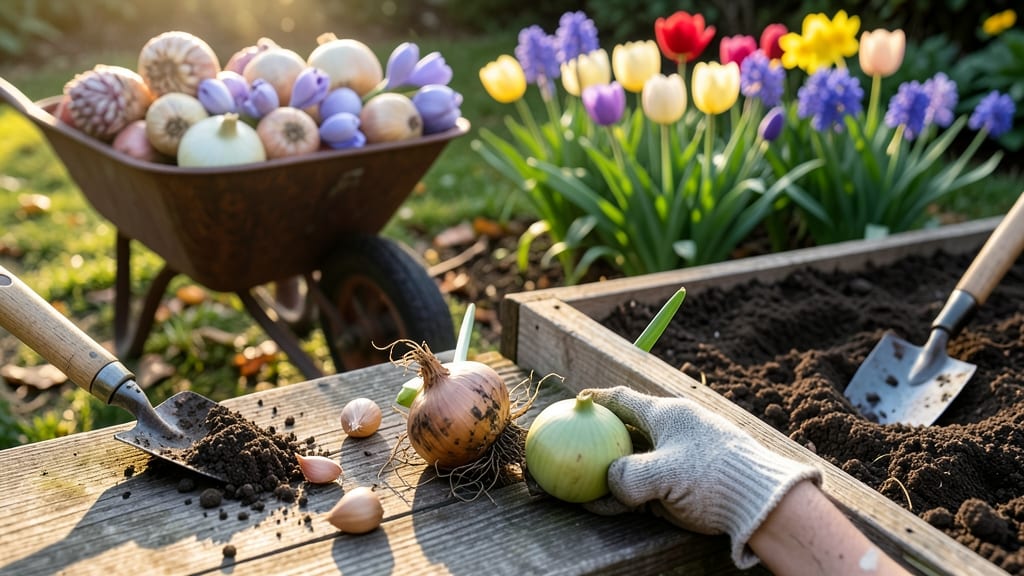
Planting flower bulbs in the fall at the wrong time means missing out on next spring’s vibrant blooms entirely—but getting the timing right is simpler than you think.
The key is knowing exactly when to plant flower bulbs in the fall, and it all comes down to that magical 6-week pre-frost rule.
Most gardeners assume "fall planting" means waiting until October, but the best time depends on your hardiness zone and first frost date. In USDA Zone 6a, that window typically opens in early September, giving bulbs time to root before winter sets in.
Plant too early, and they’ll rot; too late, and they won’t establish before the ground freezes.
I’ve learned the hard way that soil temperature matters just as much as the calendar. Cool but not frozen soil (around 60°F) is ideal for planting—think of it as the sweet spot where roots can grow without being stressed.
Whether you’re planting tulips, daffodils, or hyacinths, this timing ensures they’ll burst into color come spring.
Ready to transform your garden? I’ll walk you through the exact steps—from soil prep to spacing—to guarantee your flower bulbs thrive. Let’s make next year’s blooms your best yet.
The 6-Week pre-frost rule: exact timing for flower bulbs
Planting flower bulbs in the fall is all about timing—specifically, the 6-week pre-frost rule. This means you should plant bulbs 6 weeks before your first expected frost date, giving roots time to establish before winter sets in.
Miss this window, and your tulips, daffodils, or hyacinths may not bloom next spring. The key is balancing soil temperature (ideally 60°F or below) and frost timing to ensure bulbs get enough cold exposure to thrive.
Your USDA hardiness zone is your best friend here. For example, in Zone 5, with a first frost around October 15, you’d aim to plant by September 1. In Zone 8, where frost hits later (around December 1), you have until October 15.
Use your local average first frost date as your starting point, then count backward 6 weeks to calculate your planting window.
Soil temperature is just as critical as frost dates. Bulbs need cool soil (below 60°F) to trigger dormancy and root growth. Test your soil with a soil thermometer—if it’s still warm, wait a few days.
Planting too early in hot soil can cause bulbs to sprout prematurely, making them vulnerable to frost damage. Aim for consistent cool temps before digging in.
Here’s the foolproof formula: First frost date - 6 weeks = Planting deadline. For instance, if frost hits November 1, plant by September 15. Adjust slightly for bulb types: Tulips and hyacinths prefer cooler climates, while daffodils and crocuses are more flexible.
Always check the specific variety’s guidelines—some need earlier planting than others.
Don’t let late fall planting fool you—bulbs planted too close to frost may not root deeply enough. If you’re in Zone 9 or 10 with mild winters, aim for late October to avoid overly warm soil. In colder zones (Zone 3-4), plant by early September to give bulbs time to establish before deep freeze sets in. Always prioritize root establishment over rushing the process.
Pro tip: Use a planting calendar or local garden extension service for precise dates. They account for microclimates (like urban heat islands) that can shift frost timing by 1-2 weeks.
For example, a south-facing slope may warm up faster than a north-facing garden bed, delaying your planting window slightly. Observe your garden’s unique conditions to fine-tune the rule.
Once you’ve nailed the timing, focus on planting depth and spacing. Most bulbs should go 3x their diameter deep (e.g., a 2-inch daffodil bulb needs 6 inches of soil above it).
Space them 4-6 inches apart, closer for smaller bulbs like crocuses and farther for larger bulbs like tulips. This ensures they have room to store nutrients for next spring’s blooms.
After planting, mulch heavily (3-4 inches) with straw or leaves to insulate bulbs from temperature swings and protect them from rodents. Avoid organic mulches like grass clippings, which can mat down and suffocate bulbs.
Water deeply once after planting to settle the soil, then reduce watering—bulbs need dormancy, not soggy conditions, to thrive.
Remember, the 6-week pre-frost rule isn’t set in stone—it’s a flexible guideline. Adjust for
Best flower bulbs for fall planting: what to choose by bloom season
Choosing the right flower bulbs for fall planting isn’t just about timing—it’s about matching your bloom season goals with the perfect varieties. Some bulbs burst into color in early spring, while others wait until late spring or even summer.
I’ve planted everything from tulips to alliums, and the difference in bloom timing can completely transform your garden’s seasonal interest.
For a spring showstopper, prioritize daffodils and tulips, which bloom as early as March in most zones. But if you want late-spring color, hyacinths and fritillaries shine after the tulips fade. And don’t overlook crocuses—they’re the first to peek through snow, adding magic to early gardens.
Plant these 6-8 weeks before first frost for early color.
- Daffodils ('Jonquil', 'Ice Follies') – Thrives in full sun to partial shade; deer-resistant
- Crocuses ('Tommy', 'Pickwick') – Perfect for rock gardens or lawns; blooms under snow
- Snowdrops ('Galanthus') – Shade-tolerant; blooms in late winter
Plant these 4-6 weeks before first frost for peak spring color.
- Tulips ('Darwin Hybrid', 'Parrot Tulips') – Needs full sun; plant deeper (8") for stability
- Hyacinths ('Anna L. Perenyi', 'Woodstock') – Fragrant; loves well-draining soil
- Alliums ('Globemaster', 'Purple Sensation') – Drought-tolerant; great for cutting
Plant these 6 weeks before last frost for extended season interest.
- Fritillaries ('Imperial Crown', 'Meleagris') – Shade-loving; unique checkered blooms
- Lilies ('Stargazer', 'Casa Blanca') – Needs full sun and support; toxic to pets
- Daffodils ('Tête-à-Tête', 'Minnow') – Miniature varieties for containers
For shade gardens, choose crocuses, snowdrops, or fritillaries. For full sun, prioritize tulips, alliums, and daffodils.
Sunlight needs vary wildly among bulbs. Tulips and hyacinths demand full sun (6+ hours daily), while snowdrops and some daffodils thrive in partial shade. I once planted tulips in a shady spot, and they barely bloomed—lesson learned! Always check the light requirements on your bulb packaging before digging.
Don’t forget about fall-blooming bulbs like crocuses and some daffodils, which can add unexpected color to your autumn garden. These varieties store energy over summer and bloom in late fall, right before winter sets in. It’s a magical surprise when those purple crocuses pop up after the first frost!
To maximize your fall planting, group bulbs by bloom season and height. Tall alliums and fritillaries should go in the back, while crocuses and daffodils can spill over edges. Layering bulbs ensures continuous color** from early spring through summer, with minimal gaps in your garden’s performance.