
Flowers
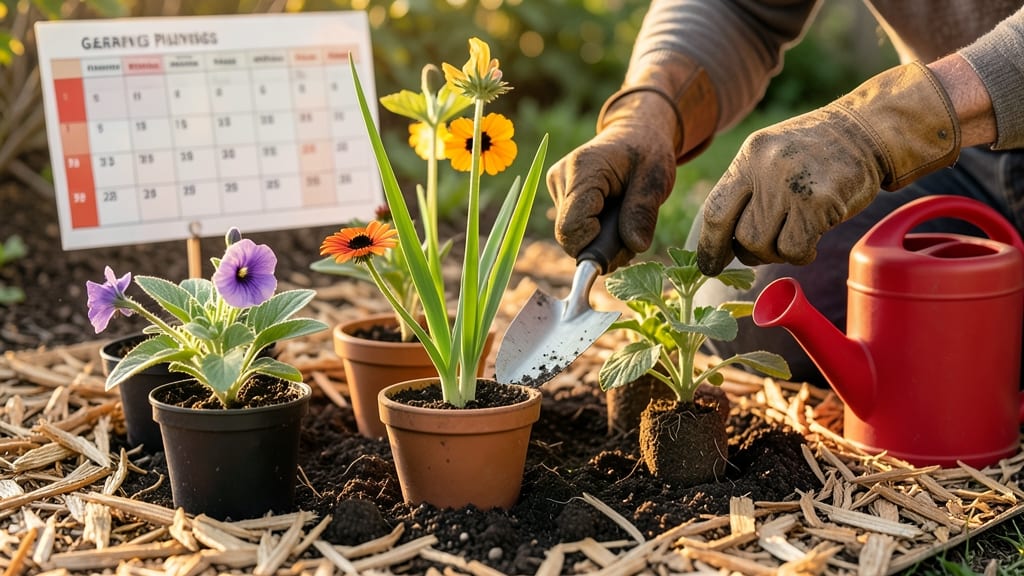
Planting your 🌸 flowers at the wrong time in Georgia can mean the difference between a showstopping garden and a sad, wilted disappointment. With USDA zones 7a-8b and microclimates ranging from mountain cool to coastal heat, timing is everything—and getting it right ensures vibrant blooms all season long.
Most gardeners know spring is prime time, but did you realize early fall planting often yields stronger roots and bigger blooms? I’ve learned the hard way that rushing seeds in February or waiting until May can leave your garden playing catch-up with pests and heat.
The key is understanding your specific zone’s last frost date and adjusting for shade or urban heat islands.
Whether you’re dreaming of azaleas in April or annuals in September, this guide breaks down the best months for every flower type, from bulbs to perennials. We’ll cover container gardening hacks for city balconies and how to stretch your blooms through Georgia’s brutal summer.
Ready to transform your yard into a year-round paradise? Let’s dive into the heat-zone-specific schedule that’ll have your flowers thriving when others are struggling.
Georgia flower planting calendar by heat Zone (7a-8b)
Georgia’s USDA heat zones 7a-8b create a unique gardening challenge—cool mountain valleys and sweltering coastal plains. Timing your flower planting correctly ensures vibrant blooms all season. Whether you’re in Zone 7a (Appalachian foothills) or Zone 8b (Coastal Plain), this calendar aligns your planting with Georgia’s frost dates and heat spikes.
Most cool-season flowers like pansies and snapdragons thrive when planted 8-10 weeks before last frost (typically February-March), while heat-loving annuals such as zinnias and marigolds wait until after April 15 in most regions. Perennials like daylilies and black-eyed Susans benefit from early spring or fall planting to establish roots before extreme temperatures.
🌱
For Zone 7a gardeners, March is critical—plant perennials and spring bulbs before soil warms too quickly.
In Zone 8b, April-May is your window for heat-loving annuals like portulaca and lantana, which bolt if planted too early. Succession planting every 2-3 weeks ensures continuous blooms, especially for annuals with short lifespans.
🌿
Indoor seed starting is key for Zone 7a gardeners. Begin cool-season flowers like snapdragons and stock in January for February-March transplant
Best flowers to plant in Georgia by season (cool vs. warm)
Georgia’s humid subtropical climate creates perfect conditions for vibrant blooms, but the right timing depends on whether you’re in the cool mountain regions or hot coastal plains.
I’ve planted everything from azaleas in the Blue Ridge to sun-loving zinnias in Savannah, and the difference in success comes down to seasonality. Cool-season flowers thrive in fall and early spring, while warm-season varieties shine in late spring through summer.
Native Georgia wildflowers like black-eyed Susans and coreopsis are drought-resistant and perfect for low-maintenance gardens. Meanwhile, annuals like impatiens and perennials like daylilies love Georgia’s heat once established.
The key is matching your planting window to each flower’s natural rhythm—whether that’s bulbs in late winter or heat-lovers in early summer.
- Cool-season blooms: Pansies, Snapdragons, Sweet Alyssum (plant Feb-March)
- Bulbs: Tulips, Daffodils, Hyacinths (plant Oct-Nov for spring blooms)
- Perennials: Coneflowers, Black-Eyed Susans (start seeds indoors in March)
- Heat-tolerant annuals: Zinnias, Marigolds, Petunias (plant after last frost, April-May)
- Native perennials: Butterfly Weed, Blanket Flower (transplant spring or fall)
- Vines: Morning Glories, Sweet Peas (sow directly in May)
- Cool-season veggie flowers: Nasturtiums, Calendula (plant Aug-Sept)
- Bulbs for spring: Tulips, Crocus (plant Oct-Nov)
- Perennials: Asters, Chrysanthemums (plant Aug-Sept for fall color)
- Evergreen shrubs: Camellias, Gardenias (plant bare-root in winter)
- Dormant perennials: Peonies, Lavender (prune late winter)
- Bulb care: Mulch dahlias and cannas after first frost
For container gardens in cities like Atlanta or Augusta, petunias and vinca thrive in summer heat when planted in well-draining pots. Meanwhile, mountain gardeners in Dahlonega can extend their spring blooms by planting crocuses and snowdrops as early as October.
The Coastal Plain’s longer growing season allows for double cropping—plant spring lettuce flowers like statice in February, then replace with summer zinnias after harvest.
Pro tip: Mulch heavily after planting fall flowers to protect roots from Georgia’s unpredictable freezes. I’ve seen mums and asters survive 20°F nights with just 3 inches of straw mulch.
And if you’re in Zone 8b, don’t wait until May to plant—heat-sensitive annuals like impatiens will bolt if sown too late. Aim for April 15 in most regions.
Georgia’s native flowers like passionflowers and firebush are low-maintenance powerhouses that attract pollinators year-round. Pair them with drought-tolerant salvias for a water-wise garden that thrives even during summer droughts.
The secret? Deep watering once a week instead of daily shallow drinks—this encourages deep root growth that withstands our humid heat.