
Flowers
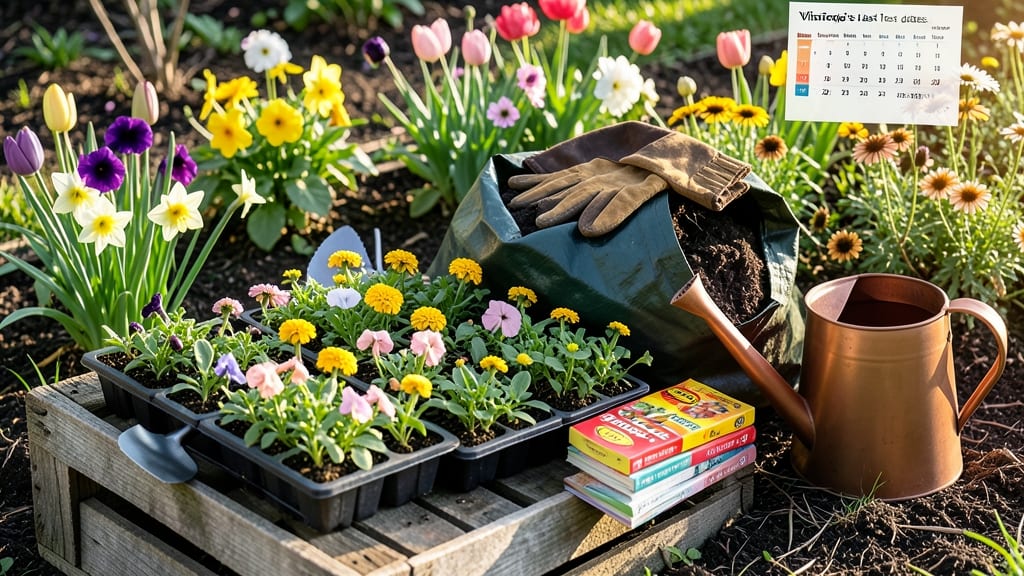
Planting your 🌸 flowers at the wrong time in Virginia can mean the difference between a garden bursting with color and a sad, wilted disappointment.
With frost dates shifting from the Piedmont to the Coastal Plain, getting the timing right is the key to success—whether you're planting annuals for summer blooms or perennials that return year after year.
Most gardeners in Virginia’s USDA zones 6a-8a know the frustration of waiting too long after the last frost or planting too early and getting caught in a surprise chill.
The average last frost date hovers around mid-April, but that can vary by 50 days depending on where you live in the state. That’s why knowing the exact window for your favorite flowers—and adjusting for your microclimate—isn’t just helpful, it’s essential.
In this guide, I’ll break down the best months to plant flowers in Virginia, from cool-season favorites that thrive in early spring to heat-loving annuals that need to go in after the soil warms.
You’ll also discover how to prep your soil, extend your growing season, and avoid common mistakes that even experienced gardeners make. Whether you’re a beginner or a seasoned pro, these tips will help you time your plantings perfectly for zero-frost success.
Ready to transform your garden into a year-round paradise? Let’s dive into the exact planting schedule that’ll have your 🌸 flowers blooming like never before—no guesswork required.
Virginia’s USDA zones & ideal flower planting months by zone
Virginia’s diverse climate spans USDA zones 5a through 7b, creating distinct planting windows across the state. Whether you’re in the cooler mountain regions (5a-6a) or warmer Tidewater area (7a-7b), knowing your zone helps you time flower planting for zero-frost success.
I’ll break down the best months for annuals and perennials, including frost-free date adjustments for each zone.
First, let’s clarify Virginia’s frost patterns: The average last frost date ranges from late March in zone 7b to early May in zone 5a. First frosts arrive as early as October 15 in mountainous areas but often linger until November 15 in coastal regions.
These dates shift yearly, so always check local forecasts before planting tender species.
Here’s where the summary-table becomes your gardening GPS—showing ideal planting months by zone, frost-free windows, and top flowers for each area. Use this as your reference when planning your garden layout.
| USDA Zone | Last Frost Date | First Frost Date | Spring Planting Window | Fall Planting Window | Top Flowers for Zone |
|---|---|---|---|---|---|
| 5a (Mountains) | May 1 | October 15 | April 15–May 15 | August 1–September 15 | Peonies, Delphiniums, Black-Eyed Susans |
| 6a (Piedmont) | April 15 | October 30 | March 30–April 30 | August 15–September 30 | Dahlias, Coneflowers, Lavender |
| 6b (Central VA) | April 1 | November 5 | March 15–April 15 | September 1–October 15 | Roses, Daylilies, Marigolds |
| 7a (Eastern VA) | March 20 | November 10 | February 28–March 31 | September 15–October 30 | Petunias, Snapdragons, Zinnias |
| 7b (Tidewater) | March 1 | November 15 | February 15–March 15 | October 1–November 1 | Impatiens, Begonias, Salvias |
Notice how spring planting windows shift earlier in warmer zones? In zone 7b, you can start tender annuals like impatiens as early as February, while zone 5a gardeners must wait until mid-April.
This explains why fall planting also extends later in southern Virginia—zone 7b can still plant pansies and calendulas in November, while zone 5a must finish by mid-September.
For perennials, timing matters too. Plant bare-root plants (like daylilies or hostas) in early spring (March-April) to give roots time to establish before summer heat. Dividing perennials is best in early fall (September-October) when temperatures cool but before frost arrives.
Microclimates add another layer. If you’re in a valley or low-lying area, expect 2-3 weeks later last frosts than nearby hills. Use local weather stations or neighborhood gardening groups to refine these dates. I’ve seen
Best flowers to plant in Virginia by season (with frost-proof strategies)
Virginia’s short frost-free season (just 165-200 days) means timing is everything when planting flowers. While spring and fall are the prime windows, some cold-hardy varieties can survive light frosts, giving you flexibility.
The key is understanding which flowers thrive in Virginia’s USDA zones 6a-8a and how to protect them when temperatures dip unexpectedly.
For spring planting, focus on cool-season annuals like pansies and snapdragons, which can handle light frosts down to 20°F. In contrast, fall planting lets you establish perennials like black-eyed Susans and asters that’ll bloom next year.
Even in Virginia’s humid summers, choosing the right varieties and using season-extending techniques can keep your garden vibrant year-round.
- 🌸 Spring (March-April): Plant pansies, sweet peas, and tulips 4-6 weeks before last frost (avg. April 15). Use row covers for extra frost protection.
- ☀️ Late Spring (May-June): Sow marigolds, zinnias, and sunflowers after soil reaches 60°F. Mulch to retain moisture in Virginia’s heat.
- 🍂 Fall (September-October): Plant chrysanthemums, asters, and fall crocus 6-8 weeks before first frost (avg. Nov 1). These thrive in cooler temps.
- ❄️ Late Fall (November): Add spring-blooming bulbs (daffodils, hyacinths) for early color. Mulch heavily to insulate roots.
One of my favorite frost-proof strategies is using seasonal layering. For example, plant cool-season flowers like calendulas in early spring, then replace them with heat-loving zinnias after Memorial Day.
This keeps your garden colorful without gaps. Another trick? Container gardening lets you move tender plants indoors or to sheltered spots when frost threatens.
Virginia’s humidity and temperature swings can stress flowers, so always check your microclimate. Coastal areas (like Norfolk) have milder winters, while the Piedmont (like Charlottesville) gets colder.
Adjust planting dates accordingly—2-3 weeks earlier in higher elevations. For instance, petunias may survive a light frost in zone 7b but will need protection in zone 6a.
Don’t overlook soil preparation—Virginia’s clay-heavy soils need organic matter to improve drainage. Amend with compost or aged manure before planting, and always water deeply after transplanting to reduce shock.
A 3-inch layer of mulch helps retain moisture and regulate soil temperature, which is especially critical during Virginia’s unpredictable spring rains and summer droughts.
With these strategies, you can enjoy continuous blooms from early spring through late fall—even in Virginia’s challenging climate. Start with one or two seasons to test what works best in your yard, then expand your garden’s diversity year after year. Happy planting! 🌷