
Flowers
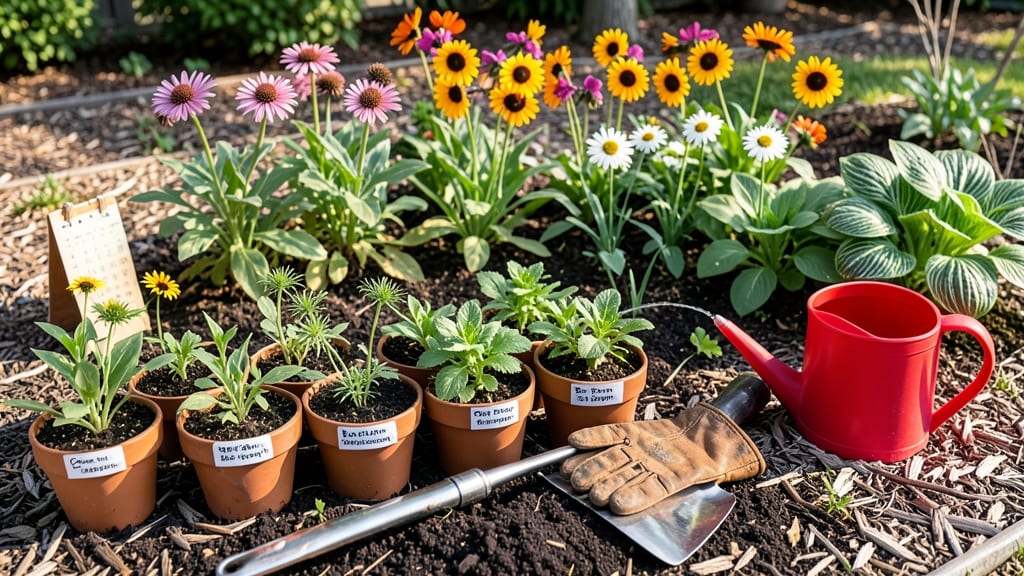
Planting flowers in Michigan at the wrong time can leave you with wilted dreams instead of vibrant blooms—especially when frost lingers until late May in most of the state.
The key to a thriving garden lies in understanding your Zone 5-6 timeline, where a single late frost can turn weeks of effort into a sad, brown mess.
I’ve learned the hard way that waiting for the last frost date isn’t enough—you also need to check soil temperatures and local microclimates. Whether you’re growing hardy perennials or heat-loving annuals, timing matters more than you might think.
Let me walk you through the exact schedule that’s worked for Michigan gardeners for years.
From cool-season favorites like pansies to sun-loving marigolds, this guide covers when to plant each type without risking frost damage. You’ll discover how to extend your growing season with simple tricks, so your garden stays lush from spring to fall. Ready to transform your yard into a blooming paradise?
No more guessing games—just a clear, step-by-step plan tailored to Michigan’s unpredictable weather. By the end, you’ll know exactly when to dig in your shovel for a garden that bursts with color, season after season.
Michigan flower planting calendar by type: frost-resistant vs. heat-loving flowers
Timing your flower planting in Michigan’s Zone 5-6 climate means balancing frost-sensitive varieties with hardy cool-season bloomers. Detroit’s last frost averages May 15, while Traverse City’s runs 2 weeks later. This calendar helps you align planting with temperature thresholds and regional variations.
Frost-resistant flowers like pansies and snapdragons thrive when planted 4-6 weeks before your area’s last frost date. Meanwhile, heat-loving petunias and marigolds need to wait until after May 20 in most of Michigan to avoid frost damage. Let’s break down the exact timing for your region.
For frost-resistant flowers, I recommend starting with pansies and violas in early April. These hardy annuals tolerate light frosts down to 20°F and often bloom until summer. Plant them in well-draining soil with morning sun to prevent mildew from evening moisture.
If you’re growing heat-loving flowers like geraniums or zinnias, wait until soil temperatures reach 60°F consistently. Test this with a soil thermometer—most garden centers carry them for under $15. In Detroit, this typically happens by late May.
Michigan’s Upper Peninsula gardens face later frost dates, so adjust your schedule by 2-3 weeks for areas like Marquette. For example, plant petunias in early June there instead of late May. Use black plastic mulch to warm soil faster if needed
5 Critical signs Michigan’s soil is ready for flower planting (beyond the calendar)
Counting frost dates alone won’t guarantee your flowers thrive—Michigan’s soil needs to meet specific conditions before planting. I’ve learned that soil temperature and natural cues like maple leaf-out are far more reliable than calendar dates.
These signs help you avoid frost damage while maximizing bloom time for varieties like petunias and black-eyed Susans.
For container gardens, the rules are slightly different than in-ground planting. Containers warm up faster, but they also dry out quicker. That’s why I always check soil moisture and root zone temperature before committing to my potted geraniums or marigolds.
Let’s dive into the five key indicators that prove your Michigan soil is finally ready.
Use a soil thermometer—most flowers need warm soil (50°F+) to establish roots quickly. In Michigan, this typically happens 2-3 weeks after last frost in most regions.
Watch your sugar maples—when their leaves are fully unfurled, it’s a sign daytime temps are stable above 55°F. This usually aligns with mid-to-late May in most of Michigan.
These pioneer plants thrive in disturbed soil and bloom when conditions are ideal. If you see yellow blooms daily, your garden’s microclimate is stable enough for annual flowers.
Check your weather forecast for lows consistently above 40°F. This reduces frost risk for tender perennials like lavender or salvia, which struggle with cold snaps.
Press a handful—if it holds shape but crumbles easily, it’s at perfect moisture content. For containers, ensure drainage holes are clear and potting mix is slightly damp (not soggy).
Once you’ve confirmed these signs, it’s time to plant. For cool-season flowers like pansies or snapdragons, you can start as early as late April in southern Michigan, but wait until after Memorial Day for heat-lovers like geraniums or petunias.
Pro tip: Plant perennials first—they establish roots faster and outcompete weeds.
Don’t forget to adjust for your specific microclimate. South-facing slopes warm up earlier, while low-lying areas stay cooler. I always plant my container flowers a week earlier than in-ground varieties, since pots absorb heat faster.
With these signs as your guide, you’ll avoid the heartbreak of frost-nipped blooms and enjoy a garden that pops with color all season.
Now grab your gloves—your Michigan flower garden is finally ready for action! 🌷