
Flowers
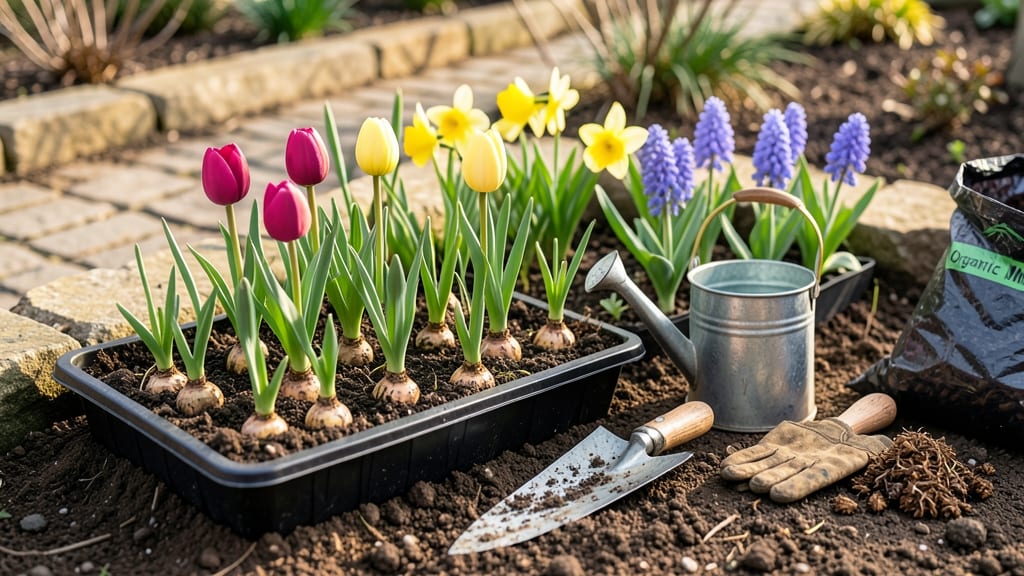
Timing your spring flower planting is everything—get it wrong, and you risk frost-killed seedlings or stunted growth. The exact weeks before last frost in your zone determine whether your 🌸 blooms thrive or struggle, and knowing those dates can transform your garden from lackluster to showstopping.
For most gardeners in Zone 6a, the sweet spot arrives after the last frost (typically late April–early May), but regional microclimates and flower types complicate things. Annuals like pansies can handle cooler soil, while tender petunias need to wait until the ground warms to 60°F.
The key? Adjusting your schedule based on soil temperature, not just calendar dates.
In this guide, I’ll break down the zone-by-zone timeline for planting flowers, including when to prep soil, harden seedlings, and avoid common pitfalls like planting too early. Whether you’re a first-time gardener or a seasoned pro, these insights will help you time your spring plantings like a pro.
Ready to turn your garden into a blooming paradise? Let’s dive into the perfect planting windows—and why waiting just a little longer can save your flowers from a frosty fate.
Spring flower planting timeline by USDA hardiness Zones (with exact weeks before frost)
Getting your spring flower planting schedule right depends entirely on your USDA hardiness zone and your average last frost date. Planting too early risks frost damage, while waiting too long can delay your blooms.
Each zone has its own ideal planting window measured in weeks before the last frost—typically 2 to 6 weeks for most flowers, depending on their cold tolerance.
For example, Zone 3 gardeners in Minnesota or North Dakota must wait until 4 to 6 weeks before frost (late May), while Zone 10 gardeners in Southern California can start as early as February.
Regional variations—like coastal fog in the Pacific Northwest or early heat in the Deep South—also shift these timelines. Let’s break down the exact weeks and best practices for each zone.
In Zones 3-4, where winters are harsh, most gardeners wait until 4 to 6 weeks before the last frost—usually late May—to plant tender annuals like marigolds or petunias.
However, cold-hardy flowers such as pansies and snapdragons can often handle light frost, so they may go in earlier. Always check your local extended forecast for late-season frosts.
For Zones 5-6, the window narrows to 3 to 5 weeks before frost, meaning you can start planting annuals like zinnias or cosmos as early as late April. Perennials, such as daylilies or coneflowers, can be planted in March or early April, while spring-blooming bulbs (like tulips) should have been planted in fall.
In warmer Zones 7-8, you can begin planting annuals in early March, giving you a longer growing season. Perennials like black-eyed Susans or bee balm thrive when planted in February or March.
However, be cautious of late frosts, which can still occur in March, especially in areas like the Pacific Northwest or Appalachian Mountains.
Gardeners in Zones 9-10 enjoy the longest planting season, often starting as early as January. Annuals like geraniums or portulaca can be planted year-round in mild winters, while perennials like lavender or rosemary prefer winter planting to establish roots before summer heat. Bulbs should still go in fall, but some varieties like paperwhite narcissus can bloom indoors in winter.
Regional microclimates also play a role. For instance, urban heat islands in cities like Chicago (Zone 5) may allow for earlier planting, while frost pockets in valleys (like parts of Zone 6’s Appalachians) can delay the last frost by weeks. Always use a local frost date calculator or consult
How to adjust planting dates for early vs. late spring conditions
Spring weather can be unpredictable, and planting your flowers at the wrong time—whether too early or too late—can stunt growth or even kill your plants. Soil temperature and microclimates (like urban heat islands or frost pockets) play huge roles in when you should adjust your planting schedule.
For example, my garden in Zone 6 might see frost in May, while a neighbor's yard just a mile away stays frost-free thanks to a south-facing slope.
To make smart adjustments, start by checking your local frost dates and soil thermometer readings. Most flowers need soil temps of at least 50°F (10°C) for seeds and 60°F (15°C) for transplants.
If your spring arrives early with warm soil, you can plant cold-hardy flowers like pansies or snapdragons weeks ahead of schedule. Conversely, a late spring might require delaying until late May or even June.
Here’s how to fine-tune your planting dates based on real-world conditions:
If your spring arrives early with unseasonably warm weather, don’t rush—some flowers (like geraniums) struggle if planted too soon. I once planted tender annuals in late March, only to see them wilt during a sudden frost.
Since then, I’ve learned to wait until soil temps stabilize above 60°F (15°C) for most flowers.
For late springs, focus on cold-hardy varieties like pansies or snapdragons, which can handle cooler temps. If you’re worried about a late frost, use floating row covers to protect young plants.
I’ve successfully extended my planting season by 3 weeks using lightweight covers—just remember to secure them tightly to avoid wind damage.
Finally, keep a gardening journal to track your local conditions. Note when your last frost occurs and adjust future planting dates accordingly. Over time, you’ll develop a personalized planting schedule that works for your unique microclimate—saving you from costly mistakes and ensuring a longer, more vibrant blooming season. 🌱