
Plants
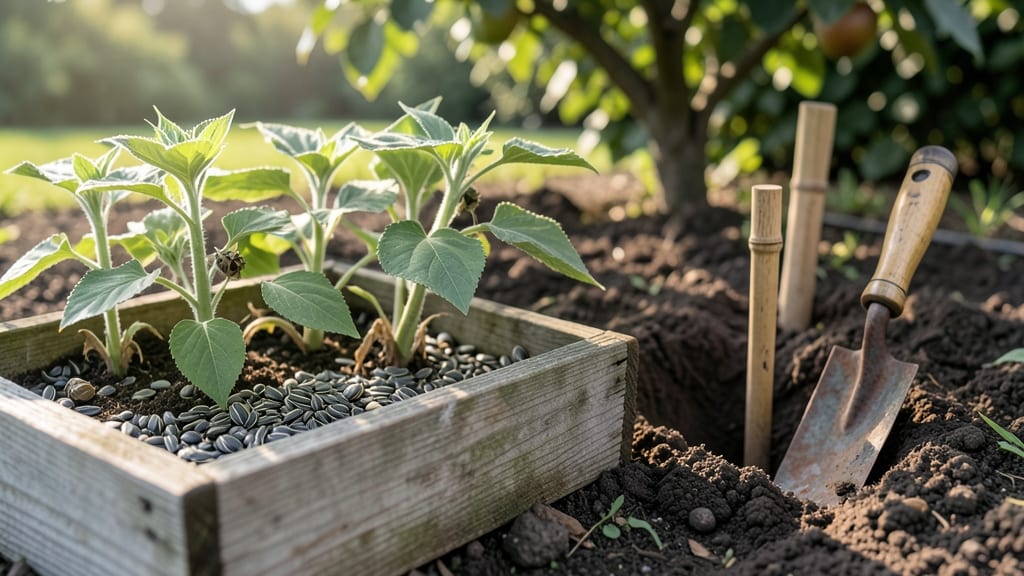
Planting sunflower seeds in Georgia at the wrong time means watching your 🌻 bright blooms struggle—or worse, get wiped out by frost before they even reach their towering potential.
The key isn't just picking a random spring day; it's syncing your planting with your county's last frost date and heat zone (7a-8b) to give these fast growers the 200 frost-free days they need to thrive.
Here's the challenge: Georgia's climate varies wildly from the cooler mountain regions to the warmer southern plains. In Zone 7a, you might lose your plants if you wait too late, while Zone 8b gardeners could push their planting window almost a month later.
The sweet spot? Mid-March to early June for most areas—but we'll break down exactly when to start seeds indoors or direct-sow outdoors based on your specific location.
Why does this matter? Sunflowers grow fast—some varieties mature in just 60 days—but they're also sensitive to cold. Plant too early, and your seeds rot in chilly soil; too late, and your late August harvest gets cut short by fall frosts.
I'll show you how to read your soil's temperature, adjust for container gardening in urban Atlanta, and even squeeze in a second planting for fall blooms if you're in the right zone.
Let's cut through the guesswork. Whether you're growing 4-foot dwarf varieties for your patio or 14-foot giants for your backyard, timing is everything. By the end, you'll know exactly when to plant where you live—and how to protect your sunflowers from Georgia's unpredictable weather.
Georgia sunflower planting calendar: frost-free dates by USDA heat Zone
Georgia's diverse climate—spanning USDA Zones 7a through 8b—creates unique planting windows for sunflowers. In colder northern counties like Dahlonega (Zone 7a), you'll need to wait until mid-April for safe soil temperatures, while southern areas like Savannah (Zone 8b) can start as early as late February.
These timing differences ensure your sunflowers mature before Georgia's first frost, which typically arrives between late November and early December.
Sunflowers thrive with 60-120 days to maturity, so aligning your planting with your zone's frost-free period is critical.
For example, a 60-day variety planted in Zone 7a must be in the ground by early June to avoid fall frosts, while 90-day varieties in Zone 8b have more flexibility until mid-July. Let's break down the ideal planting windows by zone to maximize your sunflower's bloom potential.
Here's a quick reference for Georgia's sunflower planting calendar by USDA zone, including last frost dates, soil temperature requirements, and ideal planting windows:
| USDA Zone | Last Frost Date | Ideal Soil Temp (°F) | Planting Window | Frost-Free Days | Maturity Timeline |
|---|---|---|---|---|---|
| 7a (North GA: Dahlonega, Blue Ridge) | Mid-April | 55°F+ | Mid-April to early June | 180-200 days | Late August to October |
| 7b (Central GA: Athens, Macon) | Early April | 55°F+ | Late March to mid-June | 200-220 days | Late July to November |
| 8a (South GA: Columbus, Valdosta) | Late March | 50°F+ | Late February to early July | 220-240 days | Early July to December |
| 8b (Coastal GA: Savannah, Brunswick) | Early March | 50°F+ | Late February to mid-July | 240+ days | June to December |
In Zone 7a, where last frosts linger until mid-April, I recommend starting seeds indoors in early March for a head start. Transplant seedlings outdoors once soil temperatures consistently reach 55°F, typically around mid-April.
For direct sowing, wait until late April to ensure no surprise frosts damage tender seedlings.
For Zones 7b and 8a, you have more flexibility. I plant my sunflower seeds directly in the garden as early as late March, using black plastic mulch to warm the soil faster.
This technique extends the growing season by 2-3 weeks, allowing me to try taller varieties like 'Russian Giant' that need more time to mature.
In Zone 8b, where winters are mild, I take advantage of the longer frost-free season by planting sunflowers in two batches: once in February for early summer blooms and again in June for fall color.
The second planting often produces smaller heads but extends my sunflower season until December.
One common mistake I see is planting sunflowers too early in cooler zones. If you plant in Zone 7a before the soil warms to 55°F, seeds may rot or take too long to germinate.
Use a soil thermometer to check—55°F is non-negotiable for reliable germination. For faster results, I often use black plastic mulch or row covers to accelerate soil warming.
Remember that sunflowers need full sun (6+ hours daily) and well-draining soil. In Georgia's clay-heavy soils, I always mix in compost before planting to improve drainage. This is especially important in Zone 7a, where heavy rains can lead to root rot if soil isn't amended properly.
For container gardening in urban areas, start seeds in biodegradable pots 4-6 weeks before your last frost date. Move containers to a sunny balcony or patio once soil temperatures warm, ensuring pots have drainage holes to prevent waterlogging. This method works well in Zone 8b for late-season plantings.
Plan to harvest your sunflowers before Georgia's first frost, which typically arrives between late November and early December. In Zone 7a, I aim to harvest by mid-October to avoid
Sunflower variety planting strategies for Georgia's short vs long growing seasons
Choosing the right sunflower variety for your Georgia garden depends entirely on your frost dates and how many frost-free days you have. In Zone 7a (north Georgia), you might only have 180 frost-free days, while Zone 8b (south Georgia) enjoys 240+ days.
This difference means selecting fast-maturing varieties (60-70 days) in cooler zones or taller ornamental types (90+ days) in warmer areas to maximize blooms.
For example, if you're in Atlanta (Zone 7b) with a first frost around November 15, planting 'Autumn Beauty' (70 days) in early May ensures blooms before frost.
But in Savannah (Zone 8a), you could grow 'Russian Giant' (120 days) planted as early as mid-March and still enjoy summer-long flowers.
Here's how to match your variety to your local growing season:
For succession planting, I recommend staggering fast-maturing varieties every 2 weeks from April through June. This creates a continuous bloom from late July through October.
For example, plant 'Teddy Bear' (65 days) on April 15, then again on May 1 and May 15 to enjoy flowers in July, August, and September.
If you're in a warmer zone (8a-8b), consider a late summer planting of 'Moulin Rouge' (85 days) in early July. With proper care, you'll have fall blooms just before frost! Just be sure to use row covers if temperatures dip below 50°F at night.
Pro tip: Check your local frost dates and subtract the days to maturity for your chosen variety. This gives you the last planting deadline to avoid frost damage.
For instance, if your first frost is November 1 and you're growing a 90-day variety, plant by August 1 to ensure blooms before frost.
Remember, soil temperature matters just as much as air temperature. Wait until your soil reaches at least 55°F before planting—cold soil can delay germination for weeks. Use a soil thermometer to check, especially in Zone 7a where early springs can be chilly.