
Plants
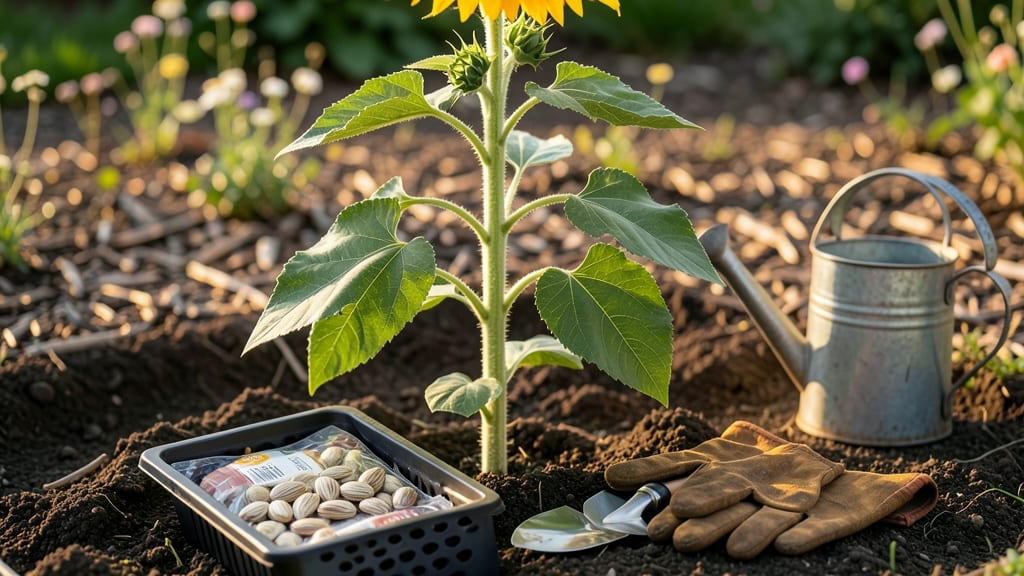
Planting sunflower seeds in Illinois at the wrong time can mean the difference between a vibrant 🌻 garden and wasted effort. The key isn't just waiting for spring—it's timing your seeds with your county's last frost date, which can vary by 2-3 weeks across the state.
Most Illinois gardeners know sunflowers thrive in zones 5b-6a, but did you know that Chicago's average last frost arrives weeks earlier than Southern Illinois'?**
In this guide, I'll show you how to use NOAA frost maps to pinpoint your exact planting window—typically between April 15 and June 15—plus how soil temperature (not just air temperature) affects germination.
You'll also discover which sunflower varieties grow best in your region and how to avoid common mistakes that kill seedlings before they even sprout. Let's get those seeds in the ground at the perfect time!
Illinois sunflower planting zones: frost-free dates by county heat maps
Sunflowers thrive in Illinois’ USDA zones 5b-6a, but the real secret to success lies in understanding your local frost-free dates. These dates—when the average last frost occurs—vary dramatically from northern Illinois (like Chicago) to southern Illinois (near St. Louis).
For example, Cook County typically sees its last frost around April 25, while Madison County waits until May 10. Planting too early risks frost damage, while waiting too late cuts your blooming season short.
To pinpoint your exact frost-free window, I recommend using the NOAA Climate Data interactive heat maps. Simply enter your county name, and the map will show historical frost data for the past 30 years.
This is far more accurate than relying on general USDA zone averages. For instance, Springfield’s last frost date can swing from April 15 to May 5 depending on the year—so flexibility is key.
Here’s the critical rule: Wait until the average last frost date has passed, but don’t delay too long—sunflowers need 70-120 days to mature. For northern Illinois, this means planting between May 1 and June 1, while southern Illinois gardeners can start as early as April 15.
The table below breaks down county-specific frost-free ranges to help you plan.
For gardeners in northern Illinois, like those in Jo Daviess County, the window is tight—planting after May 15 risks flowers blooming too late for fall harvests.
In contrast, southern Illinois (e.g., St. Clair County) can start as early as April 15, giving you a full 120-day growing season. Pro tip: Use black plastic mulch to warm soil faster in cooler zones, or opt for dwarf varieties like 'Sunspot' if your season is short.
If you’re unsure about your county’s exact frost date, check the Midwestern Regional Climate Center’s frost maps or contact your local University of Illinois Extension office. They often host free workshops on seasonal planting and can provide hyper-local advice.
For example, Chicago’s urban heat island effect can make microclimates 5-7 days warmer than rural areas just 20 miles away—so always verify with local data.
One common mistake I see is relying on air temperature alone. Sunflower seeds need soil temperatures above 55°F to germinate consistently. Use a soil thermometer to confirm—cold soil can delay sprouting by weeks.
In northern Illinois, this often means waiting until late May even if the air feels warm. For southern Illinois, early April soil temps may already be ideal.
For Chicago-area gardeners, I recommend planting May 1-
How to adjust sunflower planting time for soil temperature and variety
Most Illinois gardeners focus on air temperature when planting sunflowers, but soil warmth is the real game-changer. Seeds need consistent 55°F+ soil to germinate—often weeks after air temps feel spring-like.
In northern Illinois, this can mean waiting until mid-May for reliable sprouting, while southern counties might start as early as late April.
I’ve learned the hard way that planting too early—even with frost cloth—leads to rotten seeds in cold, damp soil. The solution? Pair your frost-free date with a soil thermometer check. This small tool (under $10) will save you from wasted seed packets and disappointed kids waiting for sunflower snacks.
Sunflower varieties also play a huge role in timing. ‘Teddy Bear’ and ‘Autumn Beauty’ germinate faster (5-7 days) and tolerate cooler soils, while ‘Mammoth’ varieties need warmer conditions to avoid leggy, weak stems. Choosing the right type can extend your planting window by 3-4 weeks.
- 🌡️ Test soil temp at 2" depth—wait until it hits 55°F+ consistently for 3+ days (use a soil thermometer)
- 🌱 Choose fast varieties like ‘Teddy Bear’ (50 days) for early planting; save ‘Mammoth’ (120+ days) for late May/June
- ☀️ Extend window by 2 weeks with black plastic mulch—warms soil 5-10°F faster than bare earth
For a 3-step soil test, dig a 2-inch hole near your planting spot and insert your thermometer for 10 minutes. Check temps twice daily (morning/evening) for 3 days—this accounts for daily fluctuations. In my Chicago garden, I’ve seen soil temps swing 20°F+ between day and night in May!
Another trick I use is the two-phase planting method: Start with fast-germinating varieties in early May, then add taller types like ‘Russian Giant’ in late May.
This gives you continuous blooms from July through October. Just be sure to space them properly—dwarf varieties need 12" spacing, while giants require 24-36".
Remember that late-season sunflowers like ‘Italian White’ actually thrive when planted in June or July. These varieties mature quickly (60-70 days) and produce edible seeds perfect for bird feeders or roasting.
Their secret? They focus energy on seed production rather than stem growth, making them ideal for shortened Illinois summers.
Don’t let perfect timing stress you out—sunflowers are forgiving! Even if you plant a week late, they’ll still grow. The key is consistent moisture after germination and staking tall varieties before heavy rains. With these adjustments, you’ll have sunflowers towering over your fence by summer’s end! 🌻