
Plants
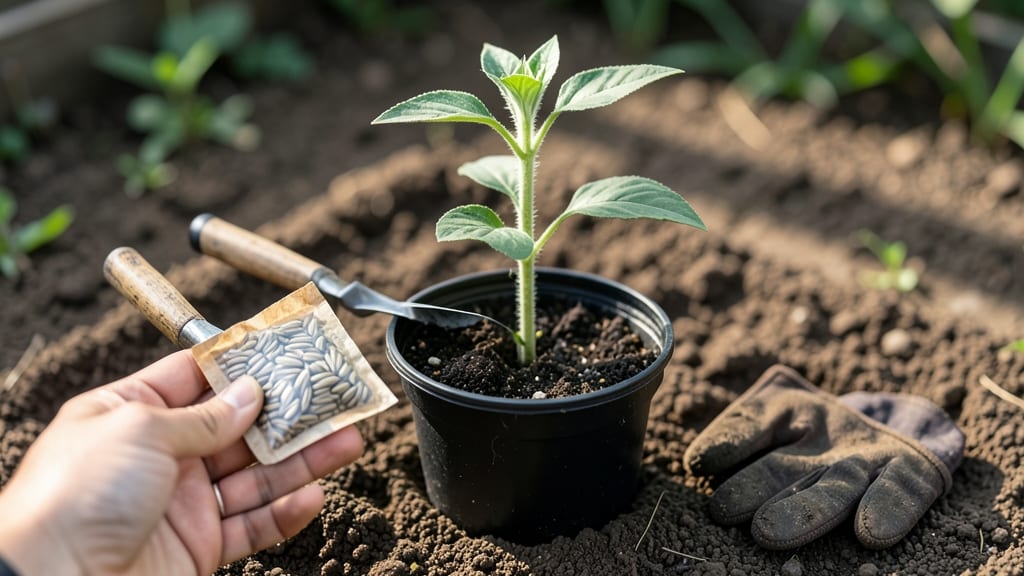
Planting sunflower seeds at the wrong time in Pennsylvania can mean the difference between towering 🌻 blooms and stunted disappointment—especially when your growing season is tight between frost dates.
Whether you're in Pittsburgh's cooler Zone 6a or Philadelphia's milder Zone 7a, timing matters more than you might think for those fast-germinating seeds.
Most gardeners wait until after the last frost (mid-April in most of PA) to sow sunflower seeds, but there's a sweet spot for maximum height and bloom potential.
The key is planting when soil temperatures hit at least 50°F, which typically lands in late May to early June for most regions—giving you 165 frost-free days to work with.
I've learned the hard way that rushing seeds into cold soil slows germination to 3 weeks instead of the usual 7-14 days. Meanwhile, waiting too long risks bolting or stunted growth before first frost.
Let me show you exactly how to nail that planting window for sunflowers that reach their full potential in your backyard.
From direct sowing to transplanting trade-offs, we'll cover all the regional adjustments you need to know. Whether you're growing Autumn Beauty for quick blooms or Russian Giant for height, these tips will help you avoid common mistakes and get those sunflowers thriving all summer long.
Pennsylvania planting zones: best sunflower seed dates by region
Pennsylvania spans USDA zones 6a-7b, creating distinct planting windows for sunflowers. In northern PA (zones 6a-6b), like Erie, last frost typically arrives around May 15, while southern PA (zones 7a-7b), including Philadelphia, sees frost-free conditions by April 15.
These differences mean your sunflower seeds should wait until after May 1 in the north and after April 15 in the south.
Sunflower seeds germinate fastest in soil temperatures above 50°F, which usually occurs in late April to early May across most of PA. However, planting too early risks frost damage to young seedlings, while delaying past June 15 may result in shorter plants before first frost.
Aim for a 7-14 day germination window by starting seeds indoors 4-6 weeks before your region's last frost date.
Here’s how to adjust timing based on your zone and local microclimate. Urban areas (like Pittsburgh) often experience 2-3°F cooler nights than rural zones, so wait an extra week before planting. Southern PA gardeners can push planting to late March under row covers for early blooms, while north-central PA (State College) should wait until mid-May to avoid frost.
Use this summary table to pinpoint your ideal planting window, soil temperature requirements, and frost-free growing period for sunflowers in Pennsylvania:
For fastest germination (7-14 days), pre-soak seeds for 4-6 hours before planting. In cooler zones (6a-6b), use black plastic mulch to warm soil and extend the season by 2-3 weeks.
This trick works especially well for tall varieties like 'Russian Giant', which need a longer growing season to reach maturity.
If you’re in zone 7a or 7b, you can push the envelope by planting early varieties like 'Teddy Bear' as soon as soil is workable in late March. These compact sunflowers (2-3 ft tall) mature in just 50-60 days, giving you blooms by late May.
Just be prepared to protect seedlings with frost cloth if nighttime temps dip below 40°F.
In northern PA (zones 6a-6b), focus on mid-to-late season varieties like 'Autumn Beauty' or 'Moulin Rouge', which tolerate cooler temps and bloom from July to September. Plant these after May 15 to ensure they reach 6-8 ft tall before first frost.
For maximum height, sow seeds 1 inch deep and thin seedlings to 12-24 inches apart once they’re 4-6 inches tall.
Adjust your planting timeline if you experience an early or late frost. Check local National Weather Service forecasts and use a soil thermometer to confirm temperatures. If frost threatens after planting, cover seedlings with row covers or old blankets until danger passes.
This extra care ensures your sunflowers have the 100+ frost-free days they need to thrive.
Remember, sunflowers are hard
How to time sunflower planting for maximum height and blooms
Sunflowers grow fastest when planted at the right time, but Pennsylvania's unpredictable spring weather makes timing tricky. The key is balancing soil warmth and frost-free days to avoid stunted growth or bolting.
I’ve found that planting too early in cool soil delays germination by 10-14 days, while waiting too long risks shorter stems and fewer blooms before frost.
For maximum height, aim to plant sunflower seeds when daytime temperatures consistently stay above 60°F and nighttime temps don’t dip below 50°F.
This usually aligns with late May to early June in most of Pennsylvania, but cooler zones like Pittsburgh (Zone 6a) may need to wait until early June for optimal results.
- 🌡️ Soil temp check: Use a soil thermometer—plant when soil reaches 50°F+ at 1-inch depth. Cold soil slows germination to 3+ weeks.
- ⏰ Last frost date: Wait 2-3 weeks after your area’s average last frost (mid-April in PA) to ensure no surprise freezes.
- 🌱 Direct sowing vs. transplanting: Direct sowing gives 5-7 days faster growth, but transplanting Russian Giant varieties (after hardening off) prevents bolting in hot summers.
- 🌿 Spacing secrets: Sow seeds 1 inch deep and 6 inches apart, then thin to 12-24 inches to avoid competition for sunlight.
- 🌱 Companion plants: Pair with bush beans or marigolds to deter pests and improve soil nitrogen—critical for tall varieties like Moulin Rouge.
One common mistake I see is planting sunflower seeds too deeply—burying them more than 1.5 inches can prevent sprouting entirely. Instead, press seeds lightly into loose, well-draining soil and cover with just 1 inch of dirt.
Water gently to avoid displacing seeds, and keep the soil consistently moist until germination (which typically takes 7-14 days in ideal conditions).
If you’re growing tall varieties like Russian Giant, consider staking or caging them early to support their 10-16 foot height. I’ve also found that mulching around the base with straw or grass clippings helps retain moisture and prevents bolting during Pennsylvania’s hot, dry summers.
This simple step can add 2-3 feet to your sunflowers’ final height!
For late-season planting (after early June), choose fast-maturing varieties like Autumn Beauty (50-60 days to maturity) to ensure blooms before the first frost. These varieties also handle Pennsylvania’s shorter growing season better than slower-growing types.
Just be sure to monitor weather forecasts—if a cold snap is predicted, cover young plants with frost cloth to protect tender stems.
Remember, sunflowers thrive on full sun (6+ hours daily), so choose a south-facing spot in your garden. If your yard has partial shade, opt for dwarf varieties like Teddy Bear, which tolerate 4-6 hours of sun while still reaching 3-4 feet tall.
With the right timing and care, your sunflowers will reward you with vibrant blooms and towering stems that brighten up any Pennsylvania landscape. 🌻