
Plants
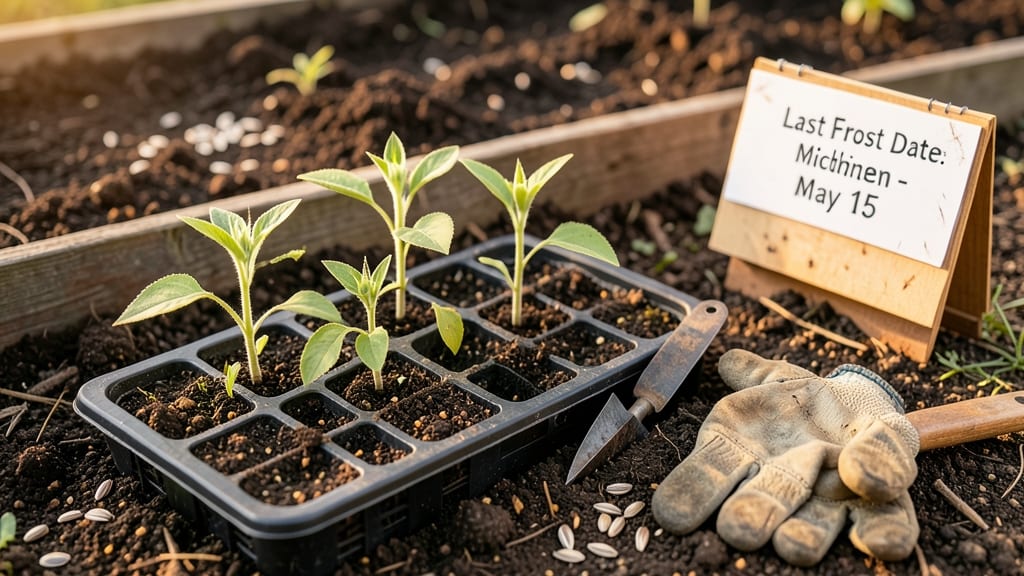
Planting sunflower seeds in Michigan at the wrong time can leave you with stunted plants instead of the towering 🌻 giants you dream of.
The best window to sow these cheerful blooms isn't just about avoiding frost—it's about giving them the 120+ days they need to reach their full height potential.
Most Michigan gardeners wait until after the last frost, typically late April to mid-June, but soil temperature matters just as much. Cold soil slows germination, while warm soil (at least 50°F) gets those seeds sprouting in 7-14 days.
I'll show you exactly how to time it right for your zone—whether you're in 5b or 6b—so your sunflowers shoot up like skyscrapers instead of staying short and scraggly.
Here's the game-changer: direct-sowing is the easiest method, but there are ways to extend your planting window if you're eager to get started. We'll cover how to use row covers or cold frames to push those seeds into the ground a little earlier—without risking frost damage.
Trust me, your 10-foot-tall sunflowers will thank you.
Ready to grow sunflowers that make your neighbors jealous? Let's dive into the exact planting schedule, soil prep tips, and variety choices that will give you the tallest, most vibrant blooms Michigan has to offer this season.
Michigan sunflower planting timeline: exact weeks before last frost for maximum height
Michigan's variable climate makes timing critical for growing sunflowers taller than 10 feet. Plant too early, and frost will nip tender sprouts. Plant too late, and your sunflowers may never reach their full giant potential. The key lies in understanding your last frost dates and soil temperature thresholds.
Sunflower seeds need soil temperatures of at least 55°F (13°C) to germinate consistently. In Michigan's USDA zones 5b-6b, this typically occurs 2-3 weeks after the last frost. For tall varieties like 'Russian Giant' or 'Mammoth', timing is everything to achieve those 12-14 foot stalks we all dream of.
In 2024, Michigan's frost dates vary by 1-2 weeks from averages. Check your local National Weather Service forecast for real-time updates. For northern Michigan, aim to plant May 15-25 when soil reaches 55°F.
In southern Michigan, you can start as early as April 25 for those 14-foot monsters.
For maximum height, plant giant varieties like 'Russian Giant' or 'Mammoth' during your earliest possible window. These varieties need 100-120 frost-free days to reach their full potential. If you plant late, opt for medium-height varieties like 'Autumn Beauty' that mature faster.
Always plant seeds 1 inch deep and 6 inches apart. Thin seedlings to 12-24 inches apart as they grow to give their roots room to develop. Well-draining soil is crucial—sunflowers hate soggy feet. Amend heavy clay soils with compost to improve drainage and nutrient availability.
After planting, maintain consistent moisture but avoid waterlogging. Sunflowers are drought-tolerant once established, but deep watering once weekly during dry spells will encourage strong stem development. For extra-tall varieties, consider staking or planting near windbreaks to prevent toppling.
Monitor your plants for squirrel activity—they love sunflower seeds! Use chicken wire cages around young plants if squirrels are a problem in your area. With perfect timing and care, you'll be watching sunflowers tower over your fence by late summer.
Remember, Michigan's short growing season means every day counts. Start seeds indoors 2-3 weeks before your outdoor planting window if you're eager to get a head start. Just be prepared to harden off seedlings before transplanting outdoors after frost.
For late bloomers, consider fall planting of short-season varieties like 'Teddy Bear' in early July. These will produce compact flowers perfect for cutting before frost arrives in October.
How to extend Michigan’s growing season for sunflowers: cold frame vs. row cover methods
Michigan’s short growing season can feel like a race against time for sunflower lovers, but with the right tools, you can push those 🌻 seeds into the ground weeks earlier—or keep them growing later into fall.
The key is understanding how cold frames and row covers work differently to protect young plants while still letting them soak up sunlight.
Cold frames are like mini greenhouses that trap heat from the sun, allowing you to plant sunflower seeds as early as mid-March in southern Michigan. Row covers, on the other hand, act like lightweight blankets that shield plants from frost while still letting air and light through.
Both methods have their strengths, especially when paired with the right sunflower variety.
For giant varieties like 'Mammoth' or 'Russian Giant,' which need 120+ days to reach their full height, extending the season is critical. Dwarf varieties like 'Teddy Bear' can tolerate cooler temps better, but even they benefit from a little extra warmth to get a head start.
Let’s break down which method works best for your goals.
| Method | Best For | Planting Window | Setup Cost | Effectiveness |
|---|---|---|---|---|
| Cold Frame | Giant varieties (early start) | Mid-March to early April | Moderate ($50-$150) | ⭐⭐⭐⭐☆ (4/5) |
| Row Cover | All varieties (late start) | Late April to early June | Low ($20-$40) | ⭐⭐⭐⭐☆ (4/5) |
| Cold Frame | Soil warming (faster germination) | N/A | N/A | ⭐⭐⭐⭐⭐ (5/5) |
| Row Cover | Frost protection (late season) | September to October | N/A | ⭐⭐⭐⭐☆ (4/5) |
If you’re aiming for 10-foot-tall sunflowers, a cold frame is your best bet for an early start. These structures raise soil temperatures by 10-15°F, which means seeds can germinate in just 7-10 days instead of the usual two weeks.
I’ve seen my 'Russian Giant' sunflowers shoot up 2 feet in their first month when started in a cold frame!
For row covers, the magic happens in late spring when nighttime temps dip below 50°F. These lightweight fabrics (like frost cloth) protect young seedlings from frost while still allowing 6-8 hours of sunlight to reach the leaves.
They’re perfect for pushing your planting window into early June, giving dwarf varieties like 'Sunspot' extra time to mature.
Pro tip: Combine both methods for maximum results! Use a cold frame to start seeds 4-6 weeks early, then transplant them into the ground once soil warms up. Cover them with row fabric for the first 2-3 weeks to shield them from late frosts.
This two-step approach can add 30+ extra days to your sunflower’s growing season—enough to turn a scraggly stalk into a towering beauty.