
Flowers
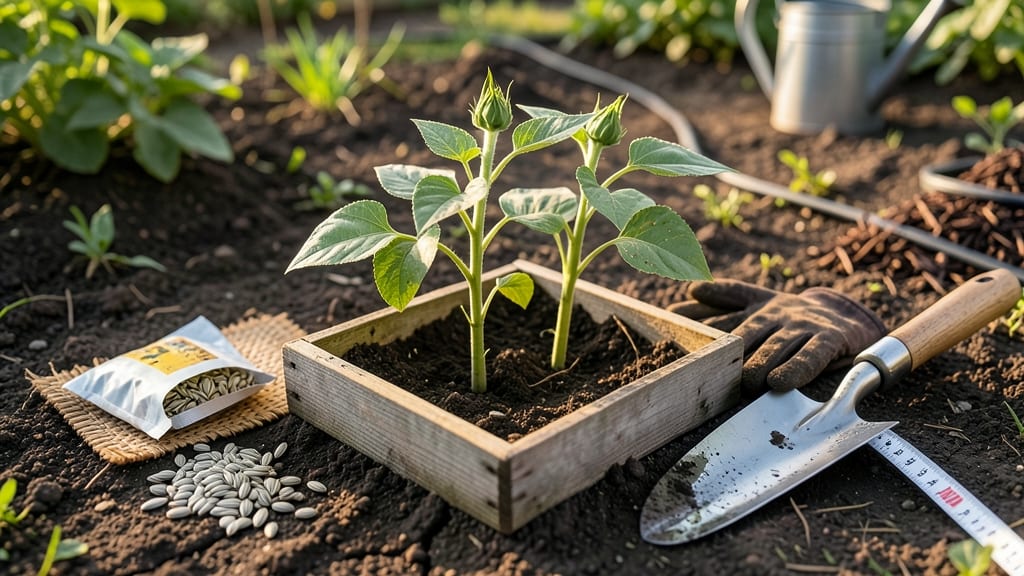
Planting sunflowers in Alabama at the wrong time can mean watching your bright 🌻 dreams wither before they even bloom—especially when last-frost dates shift from March 15 in the north to as late as April 15 in southern zones.
Unlike cooler climates, Alabama’s heat and humidity demand precise timing to avoid bolted seedlings or scorched blooms before harvest.
I’ve grown sunflowers across USDA zones 7b-8b, and the key isn’t just waiting for soil to warm—it’s accounting for Alabama’s microclimates. Coastal areas like Mobile stay frost-free earlier, while inland counties near Birmingham face hotter springs that can stress young plants if seeded too soon.
In this guide, you’ll discover the exact mid-April to early June window that works for your county, plus how to adjust for urban heat islands or mountain valleys. We’ll also cover which sunflower varieties handle Alabama’s 210-day growing season best—whether you’re after towering giants or compact pollinator magnets.
Ready to grow sunflowers that thrive from August’s first blooms to October’s last harvest? Let’s dive into the frost-free timeline that’ll make your garden shine.
Alabama sunflower planting dates by USDA hardiness zones 7A-8B
Alabama's diverse climate means your sunflower planting window can vary by 100+ days depending on whether you're in northwest Alabama's Zone 7A or southern Mobile County's Zone 8B. Getting the timing right ensures your 🌻 Helianthus annuus thrive through Alabama's 90°F+ summers and occasional late frosts in April.
For all zones, aim to plant after your average last frost date when soil temperatures reach 55-60°F. In colder Zone 7A, this might mean waiting until mid-April, while Zone 8B gardeners can start as early as late February in protected microclimates.
Let's break down the exact windows for each zone with county-specific examples.
In Zone 7A counties like Marion and Winston, where last frosts can linger until March 25, wait until mid-April to plant. These areas experience shorter growing seasons (about 180 frost-free days), so choose early-maturing varieties like 'Autumn Beauty' that bloom in 70-80 days.
For Zone 7B gardeners in Madison County, you'll have more flexibility with planting dates from late March through April 30.
The longer daylight hours in May help sunflowers grow quickly, but heat stress becomes a concern after June 1—so avoid late plantings unless you're growing heat-tolerant varieties like 'ProCut'.
Zone 8A, covering Montgomery and surrounding areas, offers the sweet spot for sunflowers. With 200+ frost-free days, you can start as early as late February in microclimates or hold off until April for more reliable germination. The key is ensuring soil temperatures stay above 50°F—use a soil thermometer to check before planting.
Southern Alabama's Zone 8B, including Mobile County, gives you the longest growing season (220+ frost-free days) and the earliest planting window.
You can start as early as late February, but be cautious of humidity-related diseases like powdery mildew. Space plants wider (24+ inches apart) and use drip irrigation to keep foliage dry.
Pro tip: Use black plastic mulch to warm soil faster in Zone 7A or Zone 7B gardens. This can shave 1-2 weeks off your planting timeline by raising soil temperatures 5-10°F above ambient. Just remember to remove it after harvest to prevent soil compaction.
How to adjust planting for Alabama’s microclimates and heat zones
Alabama’s diverse landscapes—from the coastal humidity of Mobile to the mountain valleys of the Tennessee River—create unique challenges for sunflower growers. I’ve seen firsthand how a 2°F temperature difference between urban Birmingham and rural areas can shift planting windows by weeks.
These microclimates aren’t just about heat; they affect soil warmth, humidity levels, and even pest pressure.
For example, sunflowers planted in urban heat islands like Huntsville may need earlier sowing dates (late March) to avoid heat stress, while coastal areas like Gulf Shores can wait until mid-April without risking frost. The key is understanding how your local climate deviates from the standard USDA zone guidelines.
-
1Urban Heat Islands: Plant 2-3 weeks earlier (late March) in cities like Montgomery or Birmingham where pavement raises soil temps by 5-10°F. Use shade cloth to protect young seedlings from intense afternoon sun.
-
2Coastal Humidity: Delay planting until mid-April in Mobile or Pensacola to avoid fungal diseases like powdery mildew. Space plants 18+ inches apart for better air circulation.
-
3Mountain Regions: Extend growing season with row covers in the Tennessee Valley (zone 7a). Start seeds indoors in late February and transplant after last frost (around April 15).
-
4Row Covers for Early Starts: Use floating row covers to protect seedlings in colder zones (7a) and plant 3 weeks before your typical last-frost date. Remove covers when plants reach 6 inches tall to prevent overheating.
-
5Soil Prep Adjustments: Amend sandy coastal soils with compost to retain moisture, while clay-heavy mountain soils benefit from gypsum. Test pH—sunflowers prefer 6.0-7.0 and struggle in acidic soils common in northern Alabama.
One of my biggest lessons came from growing sunflowers in Huntsville’s urban heat island. Without adjustments, seedlings bolted within weeks because the asphalt radiated heat that made soil temps reach 90°F by late April.
The solution? I planted shade-tolerant dwarf varieties like 'Teddy Bear' under 50% shade cloth until they reached 4 inches tall, then hardened them off gradually.
For mountain gardeners in zone 7a, I recommend starting seeds indoors under grow lights in late February. Harden off seedlings for 10-14 days before transplanting after the April 15 last-frost date.
Use black plastic mulch to warm soil faster in these cooler areas. I’ve seen sunflowers in Madison County thrive when planted this way, with blooms appearing as early as mid-July.
Don’t overlook the wind patterns in your area—coastal breezes can stress young plants, while mountain valleys often have calmer air. Stake taller varieties like 'Mammoth' in exposed locations, and choose compact varieties for windy sites.
My wind-resistant picks for Alabama include 'Autumn Beauty' and 'ProCut'—both handle gusts better than standard types.
Remember, Alabama’s 210-day growing season is tight for giant sunflowers. If you’re in zone 7a, focus on early-maturing varieties (50-60 days to harvest) to avoid fall frosts.
In southern zones (8a-8b), you can push the envelope with late-summer plantings for October blooms—just be prepared to protect them from hurricane season winds if you're near the coast. 🌻