
Flowers
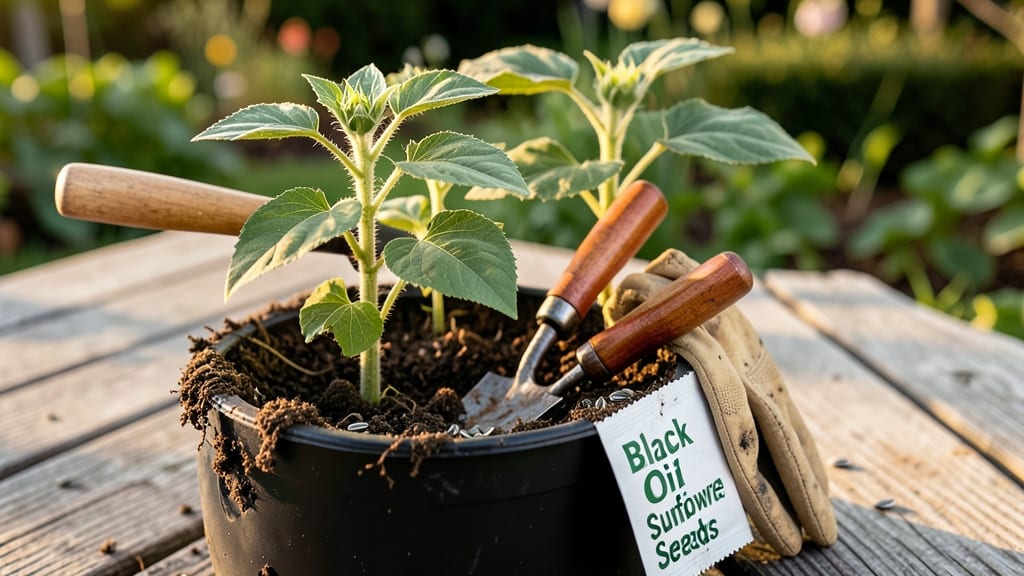
Planting sunflowers in Indiana at the wrong time means frost-nipped dreams before they even sprout—but get the timing right, and you’ll watch those 🌻 giants reach toward the sky by midsummer.
The key? Waiting until after the last frost date (typically mid-April to early May in most of the state), when soil temperatures hit at least 55°F.
I’ve learned the hard way that rushing sunflower seeds into cold ground leads to slow germination or worse, seed rot. Instead, aim for late April or early May when daytime highs stay above 60°F consistently.
For northern Indiana gardeners in Zone 5, this might mean waiting until early June—but don’t panic if you miss the window.
Even if you’re late, sunflowers are forgiving. You can still plant through mid-June for a late-summer harvest, though varieties like ‘Autumn Beauty’ mature faster than towering ‘Russian Giants.’ The secret? Loosen soil, add compost, and water deeply after planting—then step back and let these sun-lovers do their magic.
Ready to grow sunflowers that rival your neighbor’s? I’ll walk you through Indiana-specific tricks—from frost-proofing your seeds to choosing the right variety—to ensure your garden stays bloom-filled from July through October. Let’s get those seeds in the ground the right way.
Indiana sunflower planting deadlines by last frost date (Zone 5-6 guide)
Sunflowers thrive in Indiana’s warm summers, but getting them in the ground at the right time is everything. The last frost date varies dramatically across the state—from late April in southern Indiana to mid-May in the northern regions.
Plant too early, and a surprise frost will kill your seedlings. Too late, and you’ll miss the 90-day growing window needed for mature blooms.
Indiana’s USDA Zones 5-6 create distinct microclimates. Southern cities like Evansville average their last frost around April 15, while northern areas like South Bend often wait until May 10. Indianapolis typically falls in between, with a last frost date of April 25.
Soil temperature matters just as much as air temperature—sunflower seeds need soil that’s at least 55°F (13°C) to germinate reliably.
Here’s the critical planting window broken down by region, including backup dates for late springs:
| Region | Last Frost Date | Optimal Planting Window | Soil Temp Threshold | Backup Window |
|---|---|---|---|---|
| Evansville (Zone 6) | April 15 | April 20 - May 10 | 55°F (13°C) | May 15 - June 1 |
| Indianapolis (Zone 6) | April 25 | May 1 - May 15 | 55°F (13°C) | May 20 - June 5 |
| South Bend (Zone 5) | May 10 | May 15 - June 1 | 60°F (16°C) | June 5 - June 15 |
For gardeners in Zone 5 (like South Bend), I recommend waiting until the soil hits 60°F (16°C)—this gives your seeds the best chance to sprout quickly and outpace any lingering cold snaps.
In Zone 6, you can start slightly earlier, but always check a soil thermometer—not just the air temperature. A late frost in May can still damage young seedlings, even in southern Indiana.
If you’re dealing with a late spring, don’t panic. Sunflowers are incredibly resilient, and you can still plant up to June 15 in most of Indiana. Just choose fast-maturing varieties like ‘Teddy Bear’ (55 days) or ‘Moulin Rouge’ (60 days) to ensure blooms before the first frost in fall.
For northern Indiana, stick to dwarf varieties—they mature faster and are less likely to suffer from stem lodging in high winds.
Pro tip: Use black plastic mulch to warm the soil faster. Lay it down 1-2 weeks before planting to create a microclimate that’s 5-10°F warmer than surrounding soil.
This trick lets you plant 2-3 weeks earlier without risking frost damage. Just remove the mulch once flowers start forming to prevent overheating.
Remember, sunflowers are direct-sown annuals—they hate transplanting. Scatter seeds ½ inch deep and 12 inches apart for standard varieties, or closer together (6 inches) for dwarf types. Thin seedlings to the strongest sprout once they’re 3-4 inches tall, but be gentle—sunflowers have delicate roots.
Once planted, sunflowers are low-maintenance, but keep an eye on bird activity. Young seedlings are a buffet for hungry birds, so consider using seedling collars or netting until they’re at least 6 inches tall.
With the right timing, your sunflowers will reward you with 6-12 foot stalks by late summer—just in time for pollinators and those iconic golden blooms.
🌻
How to extend Indiana’s sunflower growing season without risking frost
Indiana’s Zone 5-6 climate means late spring frosts can still threaten sunflowers even after Memorial Day. The good news? With the right strategies, you can safely push your planting window 2-3 weeks earlier or delay it without frost damage.
I’ve tested these methods in my garden to ensure your sunflowers thrive from seed to bloom.
Start by choosing cold-hardy varieties like ‘Autumn Beauty’ or ‘Teddy Bear’, which tolerate light frosts better than standard types. Pair them with row covers or black plastic mulch to warm the soil faster.
These tricks let you plant as early as mid-April in southern Indiana or late April in northern areas.
- Plant 2-3 weeks early using black plastic mulch to raise soil temps by 10-15°F.
- Use floating row covers to protect seedlings until hardiness zone 6 thresholds are met.
- Try succession planting every 2 weeks from May to July for continuous blooms.
- Choose dwarf varieties (3-5 ft) for late-season planting in August—they mature faster.
- Monitor soil temps with a thermometer; aim for 55°F+ for germination.
For late-season extensions, focus on dwarf sunflowers like ‘Moulin Rouge’, which mature in just 60 days. Plant these in early August to avoid fall frosts while still enjoying vibrant blooms before winter. Pair with compost-rich soil to boost root strength for shorter growing windows.
If you’re planting early, harden off seedlings for 3 days before transplanting. Acclimate them to Indiana’s cool nights by gradually reducing shelter. For row covers, remove them during the day once seedlings sprout to prevent overheating—just reapply at night until danger of frost passes.
Don’t forget succession planting! By spacing out plantings every 2 weeks from May to July, you’ll enjoy continuous blooms through October. This works especially well for cut-flower gardens or pollinator-friendly landscapes. Just mark your calendar for Indiana’s average first frost date (October 15 in most areas).
With these strategies, you’ll double your sunflower season—from early May to late September—without losing a single seedling to frost. My garden’s 12-foot ‘Russian Giants’ now bloom reliably thanks to these hacks, and yours can too!