
Flowers
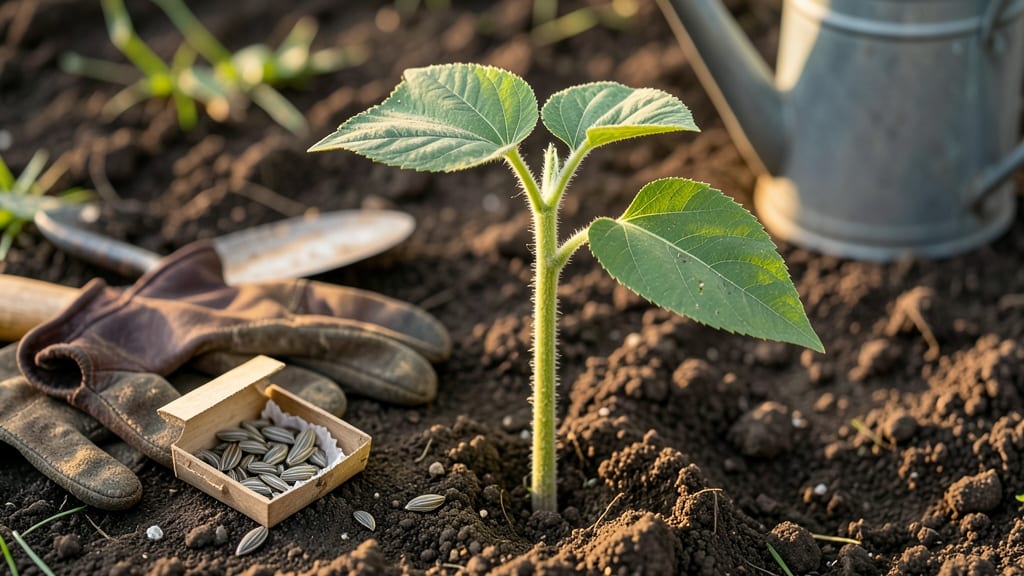
Planting sunflowers in North Florida isn’t just about sticking seeds in the ground—it’s about catching that perfect window between frost risk and summer’s scorching heat. Miss the mark, and you’ll either lose your plants to late frosts or watch them bolt in the midday sun.
The key? Knowing your county’s last-frost dates and adjusting for sunflower varieties that thrive in USDA Zone 8a’s warmth.
Most gardeners in North Florida swear by mid-March to early April as the sweet spot, but timing varies by location. In Jacksonville, you’ve got a few extra weeks of safety compared to Tallahassee, where cooler pockets demand patience.
Whether you’re growing towering Mammoth varieties or compact Teddy Bear types, the goal is the same: avoid the February 15 average last-frost date while giving your 🌻 time to mature before summer’s intensity peaks.
Here’s the game-changer: soil temperature matters just as much as air temperature. Sunflower seeds need the ground to hit 60°F+ to sprout reliably, and North Florida’s spring soil warms unevenly.
I’ll show you how to test for readiness and tweak your planting schedule—whether you’re direct-sowing or starting seeds indoors—to guarantee blooms by late summer.
Ready to grow sunflowers that reach their full, radiant potential without the guesswork? Let’s break down the exact deadlines, soil prep hacks, and variety-specific tips to turn your North Florida garden into a sunflower haven—frost-free and flourishing.
North Florida sunflower planting deadlines by county: frost-free zones explained
North Florida’s USDA Hardiness Zones 8a-9a create perfect conditions for sunflowers—but timing your planting is critical. Unlike cooler climates, we don’t have to worry about harsh winters, but late frosts in spring can still damage young seedlings.
Each county has slightly different last-frost averages, so knowing your exact planting window ensures your sunflowers reach their full height potential (up to 14 feet!) without frost damage.
For Mammoth sunflowers or Teddy Bear dwarf varieties, planting too early risks frost damage, while late planting may delay blooms until summer’s peak heat.
Below are the county-specific deadlines based on historical frost data, helping you choose the best time to plant for maximum bloom production and seed harvest.
Pro Tip: Use black plastic mulch to warm soil faster if planting near your county’s last-frost date. This can shave off 1-2 weeks of waiting time for optimal soil temperatures (60°F+).
If you’re growing ProCut sunflowers for their edible seeds, aim for the earliest planting window in your county. These varieties take 70-90 days to mature, so planting in late March ensures seeds ripen before summer’s intense heat reduces yield quality.
For cut flowers, like Autumn Beauty, later plantings (up to May) still work—just expect shorter stems due to summer’s heat stress.
North Florida’s humidity and heat can stress sunflowers if planted too late. After June 1st, new seedlings struggle to establish roots before summer’s peak (90°F+ temperatures). For late-season planting, opt for dwarf varieties like Teddy Bear, which tolerate heat better and bloom faster (50-60 days to maturity).
Monitor your local Almanac frost predictions—they update annually. For example, Jacksonville’s last frost has shifted 3 days earlier over the past decade due to climate trends. Adjust your planting by 1-2 weeks earlier if local data shows this pattern in your area.
For container gardening, start seeds indoors 4-6 weeks before your county’s last frost date. Use biodegradable pots to transplant seedlings directly into the ground, minimizing root disturbance. This extends your growing season by 2-3 weeks compared to direct sowing.
Remember: Sunflowers love well-draining soil with a pH of 6.0-7.5. Before planting, mix in compost or aged manure to boost nutrients. In sandy soils (common in Panama City), add peat moss to retain moisture during Florida’s dry spells.
🌻
How to adjust planting timing for sunflower varieties and soil conditions
North Florida’s warm springs and long summers create the perfect stage for sunflowers—but getting the timing right means avoiding two major pitfalls: late frosts and summer heat stress.
Most gardeners here opt for direct sowing after the February 15 average last-frost date, but soil temperature plays an equally critical role. Sunflower seeds need 60°F+ soil to germinate reliably, and North Florida’s ground warms unevenly across counties.
If you’re growing tall varieties like Mammoth (which take 90+ days to mature), you’ll need to start seeds indoors 4-6 weeks before your target outdoor planting date. For shorter varieties like Teddy Bear (ready in 60 days), direct sowing after soil warms is often sufficient.
The key is balancing frost risk with heat tolerance—plant too early, and frost zaps seedlings; too late, and summer’s intensity causes bolting.
- 1. Soil Temp Test: Use a soil thermometer to confirm 60°F+ at 2" depth before planting. North Florida’s soil often lags behind air temps by 1-2 weeks.
- 2. Indoor Start: Begin tall varieties indoors 4-6 weeks before last frost (late January for Jacksonville, early March for Tallahassee) using biodegradable pots to avoid root disturbance.
- 3. Direct Sow: Plant dwarf/semi-dwarf varieties outdoors 2-3 weeks after soil reaches 60°F. For Jacksonville, aim for mid-March; Tallahassee waits until early April.
- 4. Extend Season: Use black plastic mulch to warm soil faster or row covers for late bloomers. This buys 2-3 extra weeks of growth before summer heat peaks.
- 5. Heat Hack: For July-August plantings, choose heat-tolerant varieties like ProCut and water deeply at soil level to avoid fungal issues from humidity.
For gardeners in Jacksonville’s warmer microclimates, you can push planting to late February if soil temps are consistent, but Tallahassee gardeners should wait until mid-April to avoid frost. I’ve found that black plastic mulch raises soil temps by 5-10°F, letting you plant 2 weeks earlier without risk.
Just remove it once plants are established to prevent overheating.
If you’re aiming for fall blooms, try a late summer planting (August) with row covers to protect from hurricane winds and extend the season. This works best for short-day varieties like Autumn Beauty, which bloom reliably under North Florida’s 11-hour daylight in late summer.
Pro tip: Test your soil’s pH (ideal range: 6.0–7.5) before planting—sunflowers hate acidic soil. Amend with lime if needed, and mix in compost for better moisture retention during North Florida’s dry spells. With these adjustments, you’ll avoid the common mistakes that turn sunflower dreams into wilting disappointments.
Remember: sunflowers are drought-tolerant once established, but they won’t forgive frost. Stick to these timing rules, and you’ll enjoy vibrant blooms from July through October—just in time for North Florida’s golden light. 🌻