
Plants
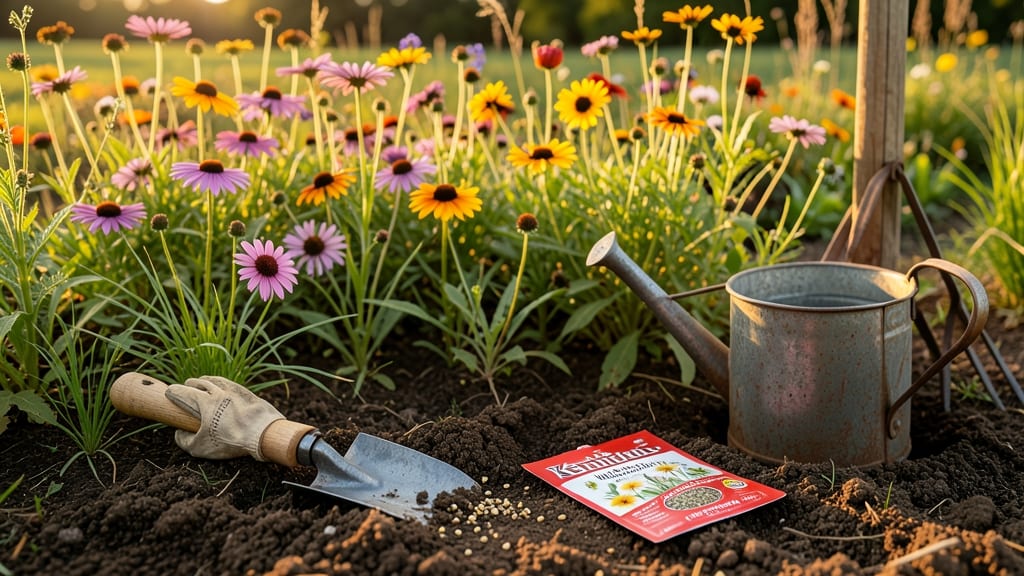
Planting wildflower seeds in Kentucky at the wrong time can mean the difference between a vibrant meadow and a missed opportunity.
The key is timing—whether you're in the 6a-7b zones or rolling hills, getting those seeds in the ground during the frost-free window ensures they take root before winter sets in.
Most gardeners know spring and fall are ideal, but did you know Kentucky’s microclimates create two distinct planting seasons? Early spring (March-April) and late summer (August-September) offer the best chances for success, especially for 🌼 perennial varieties that need time to establish before cold weather arrives.
In this guide, I’ll break down exactly when to plant—down to the month—so you can avoid common mistakes like sowing too early or too late. You’ll also learn how soil temperature, rainfall, and even deer activity can shift your planting window by weeks.
Ready to transform your yard into a pollinator paradise? Let’s dive into the perfect timing for Kentucky wildflowers, so you can enjoy blooms from spring through summer without the guesswork.
Kentucky’s ideal wildflower planting months by region (frost-free guide)
Kentucky’s USDA zones 6a-7a create a unique challenge for wildflower gardeners—too early, and frost zaps tender seedlings; too late, and summer heat stresses young plants. The frost-free window typically runs from mid-March to mid-October, but microclimates in the Appalachian foothills vs. Bluegrass region can shift this by weeks.
For perennial wildflowers, like coneflowers and black-eyed Susans, I recommend planting in early spring (March-April) or late summer (August-September). Annuals, such as cosmos and sunflowers, offer more flexibility but still thrive when sown after the last frost—usually mid-April in most regions.
Soil temperature is critical: seeds need 50-60°F soil to germinate. In Kentucky, this typically aligns with April for spring plantings and September for fall. Use a soil thermometer to confirm—cold, wet soils can delay germination by weeks.
Here’s how Kentucky’s 5 distinct regions break down for optimal planting:
| Region | USDA Zone | Best Planting Months | Soil Temp for Germination | Moisture Needs | Notes |
|---|---|---|---|---|---|
| Northern Kentucky (e.g., Louisville) | 6a | March 15-April 15 August 15-September 15 |
50-60°F | Moderate (1-1.5" weekly) | Cooler microclimates; extend fall planting to early October. |
| Central Kentucky (e.g., Lexington) | 6b-7a | April 1-May 1 August 1-September 10 |
55-65°F | Low (0.5-1" weekly) | Hotter summers; prioritize shade-tolerant mixes. |
| Western Kentucky (e.g., Paducah) | 7a | April 15-May 1 July 15-September 1 |
60-70°F | Very Low (0.25-0.5" weekly) | Drought-prone; use native drought-tolerant species. |
| Eastern Kentucky (e.g., Corbin) | 6a | March 20-April 10 August 10-September 30 |
50-55°F | High (1.5-2" weekly) | Humid; watch for fungal diseases in spring. |
| Appalachian Foothills (e.g., Somerset) | 6a | April 1-May 1 July 1-September 15 |
55-60°F | Moderate (1-1.5" weekly) | Cooler nights; extend growing season for perennials. |
Spring plantings in March-April give wildflowers a 6-8 week head start before summer heat arrives. For example, purple coneflowers sown in early April will often bloom by June—just in time for pollinators. However, avoid planting before March 15 in most zones, as late frosts can damage seedlings.
Fall planting in August-September is ideal for perennial varieties like butterfly weed and goldenrod. Seeds sown in late summer germinate slowly, develop strong roots, and emerge as vigorous plants the following spring. This method also reduces competition from weeds.
For annual wildflowers, such as zinnia or marigold, you can push the envelope slightly. These fast growers tolerate late spring plantings (May-June), though they may bloom later. Just ensure the soil stays consistently moist during germination—Kentucky’s summer droughts can be brutal for young seedlings.
Pro tip: If you’re in Western Kentucky’s zone 7a, don’t wait past September 1st for fall plantings. The first frost often arrives by mid-October, leaving little time for roots to establish. Instead, opt for fast-germinating annuals like cosmos or sunflowers for late-season color.
Watering is non-neg
5 Critical factors that determine your planting window in Kentucky
Kentucky’s wildflower success hinges on more than just calendar months—your exact planting window depends on five key factors. Soil temperature, rainfall patterns, deer pressure, and even the type of wildflowers you choose can shift your ideal dates by weeks.
For example, black-eyed Susans thrive with early spring planting, while coneflowers often wait for late summer. Ignoring these factors risks seeds washing away, rotting, or getting eaten before they sprout.
Let’s break down these critical elements so you can pinpoint the best time to plant in your specific county. Whether you’re in USDA Zone 6a or 7b, understanding these variables ensures your wildflowers establish strong roots before Kentucky’s unpredictable winters arrive.
- Soil Temperature: Seeds need 45-65°F soil to germinate. Use a soil thermometer—planting too early in cold soil delays sprouting.
- Rainfall Patterns: Kentucky’s spring rains (April-May) can wash seeds away. Late summer (August-September) offers drier soil for better seed-to-soil contact.
- Deer Pressure: High deer populations in rural counties mean planting in fall (September-October) gives seeds time to establish before winter browsing.
- Wildflower Type: Annuals (like cosmos) germinate faster in warm soil (late spring), while perennials (like coneflowers) prefer cooler fall soil.
- Local Microclimates: Appalachian regions stay cooler longer—plant 2-3 weeks later than Bluegrass areas. Check your last frost date (Kentucky averages March 15).
Timing your planting around these factors reduces risk dramatically. For instance, planting black-eyed Susans in late March might work in Louisville (Zone 7a), but in Eastern Kentucky (Zone 6a), wait until mid-April when soil warms to 55°F.
Similarly, coneflowers sown in August often outperform spring plantings because they avoid summer drought stress.
Early planting risks include frost damage to tender seedlings, while late plantings may not establish deep roots before winter. A good rule of thumb: aim for 6-8 weeks before your county’s first frost (typically October 15) to ensure strong root development.
For example, if your frost date is October 1, plant by August 15.
Don’t overlook deer pressure—it’s a silent killer of new wildflower beds. In areas like Henderson County, where deer are abundant, consider fall planting (September) to give seedlings a head start before winter browsing begins.
Pair this with deer-resistant species like purple coneflower or butterfly milkweed to improve survival rates.
Finally, match your wildflower mix to your climate. Drought-tolerant species like blazing star thrive in Kentucky’s dry spells, while moisture-loving cardinal flower needs consistent soil moisture. Adjust your planting window accordingly—drought-prone areas may benefit from late summer sowings when rains are more reliable.
By aligning these five factors with your local conditions, you’ll maximize your wildflower meadow’s potential. Start with a soil test, monitor weather forecasts, and choose seeds suited to your county’s unique growing conditions. Your pollinator paradise is just a well-timed planting away! 🌿