
Plants
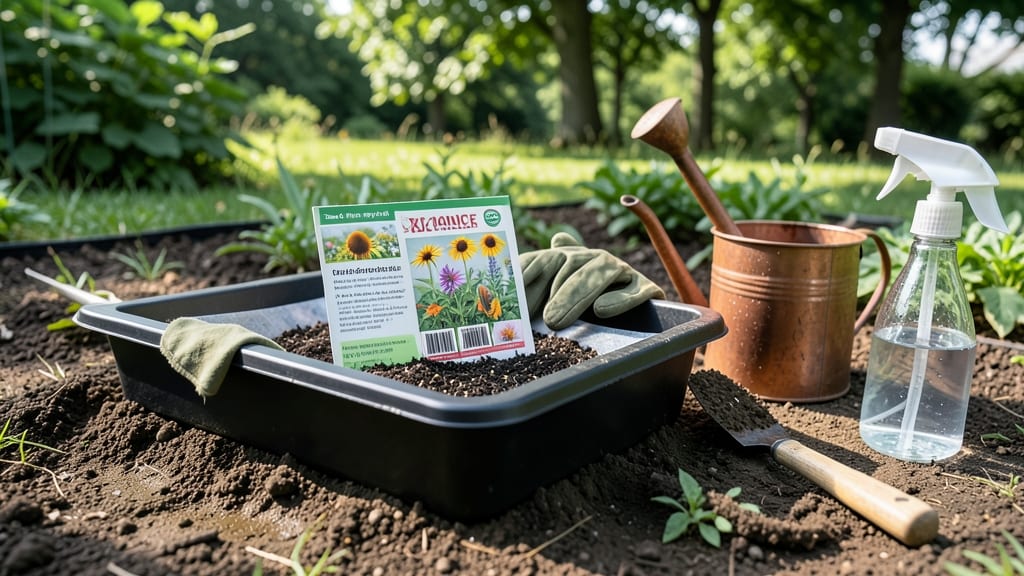
Planting wildflower seeds at the wrong time in Zone 6 can mean the difference between a vibrant meadow and a patch of dirt. The key to success lies in understanding your region's frost dates and seasonal rhythms—because wildflowers like 🌼 thrive when planted either in early spring or late summer.
Most gardeners in Zone 6 (6a-6b) assume spring is the only option, but fall planting actually gives you a head start on next year's blooms.
By sowing seeds in late August to early September, you allow them to germinate in mild fall weather, establish roots before winter, and burst into color as soon as spring arrives.
This strategy isn't just about timing—it's about working with nature. Spring planting (March-April) works too, but requires careful soil prep to prevent erosion and ensure seeds stay in place until temperatures stabilize.
Either way, you'll need to act fast: miss the window, and you might be waiting another year for those cheerful pollinator magnets.
In this guide, I'll break down the exact planting windows, soil prep secrets, and the best wildflower species for your Zone 6 garden—so you can enjoy blooms from late spring through summer without the guesswork.
Optimal wildflower seed planting times in Zone 6: spring vs fall breakdown
Choosing the right time to plant wildflower seeds in Zone 6 can make the difference between a sparse meadow and a lush, pollinator-friendly garden. While both spring and fall offer valid planting windows, each season brings unique advantages—and pitfalls.
Understanding these differences helps you align your planting schedule with ideal temperature ranges, soil conditions, and even regional microclimates to maximize germination and bloom success.
In Zone 6, which spans from northern Virginia to Minnesota, the last frost date typically falls between mid-April and early May, while the first frost arrives around mid-October.
These dates create a narrow window for spring planting and a broader one for fall, but both require careful timing to avoid seed dormancy issues or overwintering challenges. Let’s break down the pros, cons, and precise timing for each season.
| Factor | Spring Planting (March-April) | Fall Planting (August-September) |
|---|---|---|
| Best Time | After last frost (mid-April) | 6-8 weeks before first frost (late Aug-early Sept) |
| Soil Temperature | 50-60°F (ideal for germination) | 60-70°F (cooler temps prevent pre-winter sprouting) |
| Moisture Needs | Consistent watering (seeds dry out fast) | Moderate (fall rains help) |
| Germination Time | 2-4 weeks (faster in warm soil) | 4-6 weeks (slower due to cooler temps) |
| Bloom Time | Same year (summer blooms) | Next year (earlier spring blooms) |
| Weed Competition | High (weeds germinate first) | Low (weeds dormant in fall) |
| Microclimate Note | Northern Zone 6: Wait until May | Southern Zone 6: Plant by mid-Sept |
Spring planting in Zone 6 kicks off as soon as the soil temperature consistently reaches 50°F, typically in mid-to-late March in southern sub-zones and April in northern areas.
The key advantage here is immediate germination and potential same-year blooms, but you’ll face stiff competition from weeds and may need to water frequently to keep seeds moist until they sprout.
For best results, aim to plant 2-4 weeks before your area’s last frost date—this gives seeds time to establish roots without risking frost damage.
Fall planting, on the other hand, offers a quieter, weed-free environment and often results in earlier spring blooms the following year. The ideal window is 6-8 weeks before your first frost, usually late August to early September in Zone 6.
Seeds sown at this time undergo natural stratification over winter, breaking dormancy more reliably in spring. However, avoid planting too early in fall—warm soil can trick seeds into germinating prematurely, only to be killed by early frosts.
Regional microclimates within Zone 6 also play a critical role. In northern sub-zones (6a), where winters are colder, fall planting should end by mid-September to allow seeds to establish before hard frosts arrive. Conversely, southern sub-zones (6b) can extend fall planting until early October, thanks to milder winters.
For spring planting, northern gardeners should wait until May in frost-prone pockets, while southern areas can start as early as March.
One often-overlooked factor is seed type. Some wildflower species, like Black-Eyed Susan or Purple Coneflower, germinate best in spring, while others, such as Blue Wild Indigo, thrive when planted in fall.
Always check the packaging recommendations or consult a local wildflower guide to match your seeds with the optimal planting window. Mixing species with different germination needs can also create a longer bloom season across multiple years.
Proper soil preparation is equally critical for both seasons. Wildflower seeds are tiny and light, so they need barely disturbed soil—just enough to create contact with the earth without being buried too deeply.
A light raking or scarification (scratching the soil surface) helps seeds make contact, while light mulch (like straw) retains moisture without smothering sprouts. In dry climates, consider a light watering
How to prepare your Zone 6 soil for wildflower success (step-by-step)
Wildflowers thrive when their natural soil conditions are met—meaning loose, well-draining soil with just the right balance of nutrients. In Zone 6, where winters can be harsh and summers hot, preparing your soil properly ensures seeds germinate quickly and plants establish strong roots before facing stress.
Many native wildflowers, like Black-Eyed Susan or Purple Coneflower, prefer slightly acidic to neutral soil (pH 6.0–7.0), but some—like Goldenrod—tolerate alkaline conditions.
Start by testing your soil’s pH and organic matter levels at least 4–6 weeks before planting. This gives you time to amend the soil without rushing. You can use a simple home soil test kit (under $10) or send a sample to your local Cooperative Extension Service for professional analysis.
Wildflowers don’t need rich soil—they actually prefer lean conditions—but they do require good water drainage to avoid rot.
Here’s how to prepare your soil for wildflower success, whether you’re planting in spring or fall:
One common mistake I see is over-tilling the soil. Wildflowers evolved in natural, undisturbed soils, so excessive tilling can compact the ground again. Instead, focus on loosening the top layer and improving drainage. If your soil is clay-heavy, mix in sand or perlite to improve aeration.
For native wildflowers, consider adding a mycorrhizal fungus to the soil. These beneficial fungi help roots absorb water and nutrients more efficiently. Sprinkle the powder or granules over the soil before planting—it’s a game-changer for drought-prone areas. Water the soil lightly after prep to settle everything in place.
Remember, wildflowers are resilient once established, but giving them the right start makes all the difference. With these steps, your Zone 6 garden will be ready to welcome vibrant blooms and happy pollinators in no time. 🌼