
Plants
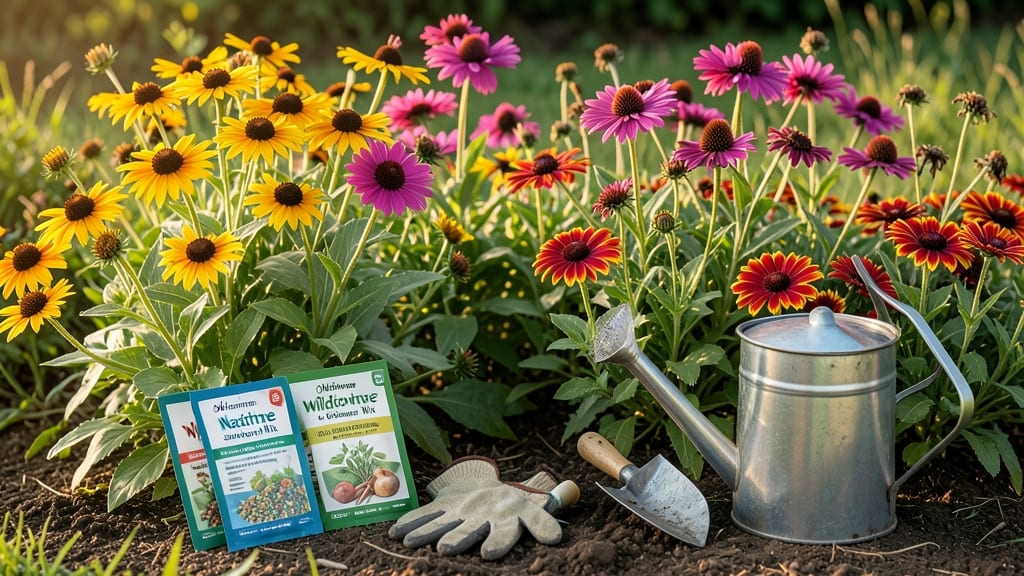
Planting wildflower seeds in Oklahoma at the wrong time could leave you staring at bare soil instead of a vibrant 🌼 meadow. The best months to sow—fall or spring—depend on your zone and Oklahoma’s unpredictable weather, but timing is the key to lush, long-lasting blooms.
Most Oklahoma gardeners get it right by planting in September or October, when cooler temps and natural rainfall give seeds the perfect start. But if you’re in zone 6b, you’ve got a little more wiggle room in late winter, while zone 8a gardeners should act by early spring.
Get it wrong, and you might end up with seeds that sprout too late—or worse, never at all.
This isn’t just about throwing seeds on the ground and hoping for the best. I’ll walk you through exactly when to plant, how to prep your soil, and even which wildflowers thrive best in Oklahoma’s climate.
Skip the guesswork and turn your yard into a pollinator paradise with these proven strategies.
Ready to transform your landscape? Let’s dive into the optimal planting schedule, soil tricks, and care tips that’ll have your wildflowers blooming like crazy—without the trial and error. Your future meadow starts now.
Best months to plant wildflower seeds in Oklahoma by climate zone
Oklahoma’s diverse climate—from the arid West to the humid East—means wildflower planting windows vary dramatically. Fall planting often outperforms spring here because cooler temps reduce seed stress, while spring sowing works best for early-blooming annuals.
Let’s break down the ideal months for each of Oklahoma’s three climate zones to ensure your wildflowers thrive.
First, identify your zone: Western Oklahoma (6b-7a) has hotter, drier summers; Central Oklahoma (7a-7b) offers moderate conditions; and Eastern Oklahoma (7b-8a) stays cooler and wetter. Temperature thresholds are critical—most wildflower seeds germinate best between 50°F and 75°F, making fall (September-October) or early spring (March-April) the sweet spots.
Here’s how to align your planting with Oklahoma’s unique microclimates for maximum success:
For annual wildflowers, like Mexican Sunflower or Coreopsis, spring planting (March-April) works well—just be ready to water through Oklahoma’s dry springs. Perennial wildflowers, such as Purple Coneflower or Butterfly Weed, thrive when planted in fall (September-October), giving roots time to establish before summer heat.
In Western Oklahoma, where summers are harsh, focus on drought-tolerant species like Blanket Flower and plant in early fall to avoid summer stress. Central Oklahoma’s moderate climate allows flexibility—you can even try late summer sowing (August) for fall blooms, but ensure seeds stay moist until germination.
Eastern Oklahoma’s cooler, wetter conditions make it ideal for shade-loving wildflowers like Joe-Pye Weed. Here, late summer planting (August) can work if followed by consistent moisture, but fall remains the safest bet. Always test soil moisture—if the top inch feels dry, water lightly before sowing.
Pro tip: Stratify seeds for perennials by mixing them with sand and refrigerating for 2-4 weeks before planting. This mimics winter conditions and boosts germination rates. Scatter seeds lightly—they need sunlight to sprout—and avoid burying them more than 1/4 inch deep.
Remember, Oklahoma’s unpredictable rainfall means flexibility is key. If natural rains taper off, supplement with deep, infrequent watering (about 1 inch per week) until seedlings establish.
With the right timing, your wildflowers will reward you with months of vibrant color—starting as early as spring and lasting through summer. 🌼
How Oklahoma’s rainfall patterns affect wildflower seed germination success
Oklahoma’s rainfall is as unpredictable as it is generous—one year brings early spring showers, while another leaves your soil bone-dry by May. This variability makes fall planting the smarter choice for most wildflower seeds.
When you sow in September or October, you’re aligning with nature’s watering schedule, giving seeds the moisture they crave without over-reliance on irrigation. Spring planting? That’s a gamble unless you’re prepared to supplement watering, especially in zone 7a and west where droughts strike early.
Wildflower seeds need consistent moisture to germinate, but too much water can rot them before they sprout. Oklahoma’s natural rainfall patterns—with cooler temps and regular showers in fall—create the perfect balance.
In contrast, spring’s erratic rains and sudden heat spikes can leave seeds high and dry or drowned in puddles. I’ve learned the hard way: fall-sown seeds often outperform spring plantings by 30-50% in my Oklahoma garden, thanks to Mother Nature’s built-in watering system.
Here’s how to leverage Oklahoma’s rainfall for maximum germination success, whether you’re in a wet year or facing drought conditions:
- 🌧️ Fall (Sept-Oct): Plant when soil temps are 60-70°F and rainfall averages 2-4 inches/month. Seeds germinate with natural moisture, reducing irrigation needs by 70%.
- ☀️ Spring (Feb-Apr): Only plant if soil is moist but not soggy. Supplement with 1/4 inch water weekly until seeds sprout (usually 7-14 days).
- 💧 Dry Years: Pre-water seedbeds 24 hours before sowing. Use mulch (straw or leaves) to retain moisture—this can double germination rates.
- 🌊 Wet Years: Avoid planting in low-lying areas where water pools. Choose well-draining soil to prevent seed rot.
- 📅 Late Winter (Zone 8a): Plant by February 15 to avoid spring droughts. Use light irrigation until rains return in March.
Preparing your seedbed is just as critical as timing. Start by tilling the soil to 2-3 inches deep to loosen compacted clay—a common issue in Oklahoma. Mix in compost or aged manure to improve drainage and fertility.
For clay-heavy soils, add sand or perlite to create pockets for air and water flow. I’ve seen germination rates increase by 40% just by amending heavy clay with organic matter before planting.
If you’re planting in spring, don’t skip the soil test. Oklahoma’s alkaline soils (pH 7.5-8.5) can hinder germination. Adjust pH to 6.0-7.0 with sulfur or peat moss if needed.
For fall plantings, a simple raking and light tilling is often enough—just ensure the surface is free of weeds and debris. Pro tip: Stratify seeds (mix with sand and refrigerate for 2-4 weeks) if you’re planting in late fall to mimic winter conditions and break dormancy.
Once seeds are in the ground, monitor moisture closely. In dry years, use a soaker hose to deliver water directly to the soil without disturbing seeds. Aim for 1/4 inch of water per week until seedlings emerge.
In wet years, avoid overwatering—wildflowers are tough but not waterlogged. Let the soil dry slightly between waterings to prevent fungal diseases like damping off, which can wipe out young sprouts in days.
Remember, Oklahoma’s wildflowers are survivors—they’ve thrived here for centuries with minimal human intervention. By aligning your planting with natural rainfall cycles and preparing your soil properly, you’ll give them the best possible start.
Whether you’re sowing Black-eyed Susans or Indian Blanket, these strategies will help you skip the guesswork and enjoy a vibrant, low-maintenance meadow year after year. 🌼