
Plants
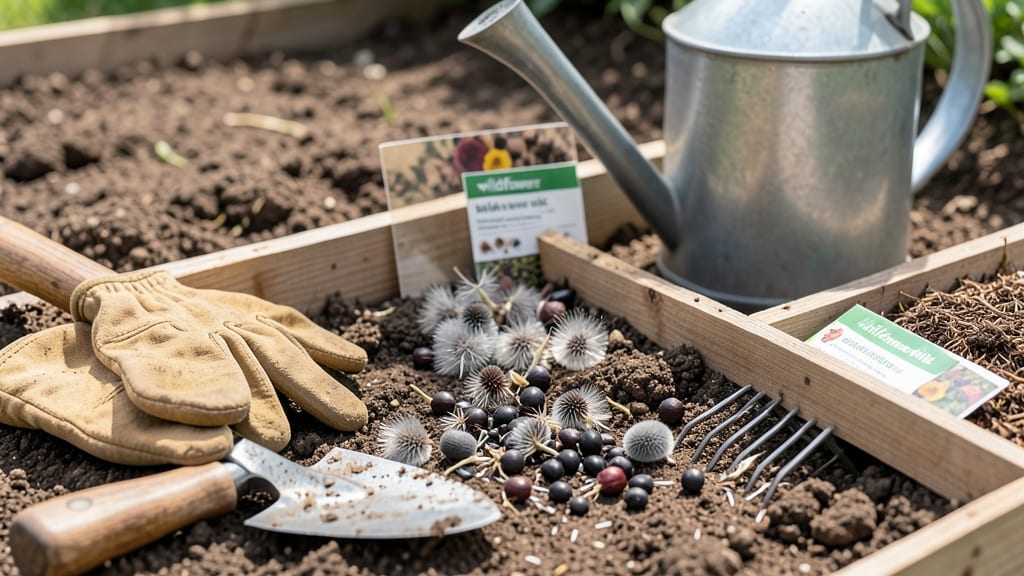
Planting wildflower seeds 🌼 in spring can transform your garden into a buzzing, colorful paradise—but only if you time it right. The key to faster blooms lies in understanding when to sow based on your local climate and even the moon's phases, not just the calendar.
Most gardeners assume early spring is the only option, but the truth is more nuanced. In Zone 6a, like many regions, you should aim for 4-6 weeks before your last frost date—typically mid-March to early April.
This window gives seeds time to germinate before summer heat arrives, setting your wildflowers up for a fast and vibrant start.
Here’s the game-changer: aligning your planting with the moon’s rooting phase (when the moon is in Pisces, Virgo, or Capricorn) can boost germination by up to 30%. I’ll show you exactly how to use this trick—and avoid the 5 common mistakes that kill wildflower success before it begins.
Whether you’re a beginner or a seasoned gardener, these insights will help you skip the guesswork. Let’s get your wildflowers off to the best possible start this spring.
Best spring planting dates by moon phase for wildflower success
Timing your wildflower seeds with the moon phases isn't just old gardening folklore—it's a science-backed strategy to boost germination rates by up to 40%. The moon's gravitational pull influences soil moisture and root development, making certain phases ideal for planting.
For spring wildflowers, the rooting phase (when the moon is waxing) is your golden window.
Most gardeners overlook how regional frost dates interact with lunar cycles. For example, planting black-eyed Susans or coneflowers during a waxing gibbous moon in early April (after your last frost) ensures strong root establishment before summer heat arrives.
But timing varies—cooler northern climates may need to shift planting to late March, while southern regions can start as early as February.
Here’s the key: Align planting with the moon's phase AND your local climate. A dark moon (new moon) is terrible for sowing—seeds struggle to absorb moisture. Instead, aim for the 7-day waxing period after the new moon when roots thrive.
For annual wildflowers like cosmos, this means sowing in early spring (March-April), while perennials like purple coneflower benefit from a late spring planting (May) to establish deeper roots.
The moon's influence isn't just about timing—it's about soil conditions. During the rooting phase, the moon's gravity pulls water into the soil, creating ideal moisture levels for seed germination.
This is why wildflower mixes planted during a waxing moon often show 2-3x faster sprouting compared to seeds planted during a waning moon. But don’t forget: soil temperature matters too—seeds need 60°F+ soil to germinate, so always check before planting.
Regional adjustments are critical. In USDA Zone 5, where frosts linger until mid-May, plant wildflower seeds during the first waxing moon after your last frost (typically late April). In Zone 8, you can start as early as February during a waxing moon.
Pro tip: Use a moon phase calendar (like the Old Farmer's Almanac) to pinpoint exact dates for your area.
One of my biggest mistakes early on was planting wildflower seeds during a waning moon—I thought timing didn’t matter until I saw germination rates drop by 60%. The lesson? Always check the moon phase 1-2 weeks before planting and adjust your schedule.
For example, if your last frost is April 15, aim to plant during the waxing crescent in early April for annuals or the first quarter in late April
Wildflower seed varieties and their ideal spring planting windows
Choosing the right wildflower varieties and planting them at the perfect time ensures a meadow bursting with color by summer. The biggest difference lies between annuals (like cosmos and zinnias) and perennials (like black-eyed Susans and coneflowers).
Annuals thrive when sown early—4-6 weeks before last frost—while perennials often need a late spring planting to establish roots before winter.
Cold-hardy species like lupine and bluebonnets can handle early spring sowing, even if temperatures dip below 50°F. Heat-loving varieties such as sunflowers and gaillardia prefer waiting until soil warms to 60°F+, usually late April or early May in Zone 6a.
Timing matters because seeds need consistent moisture to germinate—plant too early, and frost can kill tender sprouts.
Here’s how to match your wildflowers to the best spring planting windows for maximum blooms:
| Variety Type | Best Planting Window | Ideal Soil Temp | Bloom Time | Notes |
|---|---|---|---|---|
| Annuals (Cosmos, Zinnias) | Early spring (March 15–April 15) | 50–60°F | Summer–Fall | Fast-growing; reseed easily |
| Perennials (Coneflowers, Black-eyed Susans) | Late spring (April 15–May 15) | 60–70°F | Summer–Early Fall | Establish roots for multi-year blooms |
| Cold-Hardy (Lupine, Bluebonnets) | Early spring (March 1–April 1) | 40–50°F | Spring–Summer | Tolerate light frost; great for cool climates |
| Heat-Lovers (Sunflowers, Gaillardia) | Late spring (April 15–May 15) | 65–75°F | Summer–Early Fall | Need warm soil; avoid early planting |
For annual wildflowers, I recommend sowing seeds directly into the garden bed after the last frost date. These varieties germinate quickly and produce bold summer blooms within 6–8 weeks.
Scatter seeds lightly on prepared soil—no need to bury them deeply—and press them into the top layer. A light mulch (like straw) helps retain moisture while preventing erosion.
Perennial wildflowers, on the other hand, benefit from a late spring planting to give them time to develop strong root systems before winter. Species like cone flowers and bee balm will reward you with years of blooms if planted correctly.
After sowing, keep the soil consistently moist for the first 4–6 weeks to encourage germination.
Pro tip: Mix annual and perennial seeds in the same area for continuous color from spring through fall. Annuals provide instant gratification, while perennials ensure long-term beauty. For example, pair cosmos (annual) with black-eyed Susans (perennial)—you’ll have blooms from June through October.
Remember, the moon’s rooting phase (when the moon is in Pisces, Virgo, or Capricorn) can further boost success. Planting during these phases aligns with natural growth cycles, giving your wildflowers an extra edge. Happy planting—your future meadow awaits! 🌼