
Plants
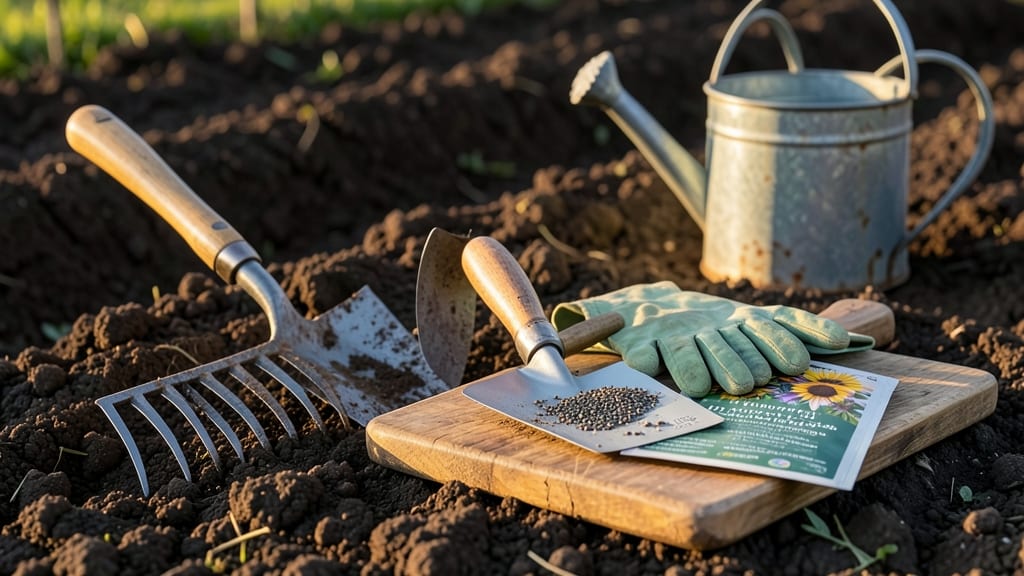
Planting wildflower seeds in Zone 5 at the wrong time can mean the difference between a vibrant meadow and a sad investment in seeds. The key is understanding when the ground is warm enough to support growth but not so late that winter sneaks up before roots take hold.
For Zone 5 gardeners, the ideal planting window is narrow—early spring (March-April) or late summer/early fall (August-September). These periods give your 🌼 wildflowers the best shot at thriving before frost arrives.
But timing isn't just about the calendar; soil temperature and frost dates play a huge role.
Too early, and a late frost will kill tender seedlings. Too late, and your wildflowers won’t establish strong roots before winter sets in. I’ll break down the exact frost-free window by month, so you can plant with confidence and avoid common mistakes.
Whether you’re dreaming of a pollinator-friendly garden or just want a burst of color, mastering this timing will set you up for success. Let’s dive into the best months to plant and how to prep your soil for maximum growth.
Zone 5 wildflower planting calendar: best months by seed type
In Zone 5, wildflowers thrive when planted during two distinct windows: early spring and late summer/fall. The key is avoiding frost damage while giving seeds time to germinate and establish roots.
For cold-hardy varieties like black-eyed susans and coneflowers, late summer planting is ideal, while tender annuals like cosmos and zinnia need spring’s warmth.
Zone 5’s frost dates typically range from mid-April (last frost) to mid-October (first frost), leaving just 150-180 frost-free days. This short window demands precision—plant too early, and seedlings may succumb to late frosts; too late, and roots won’t strengthen before winter.
Below is your month-by-month guide to planting wildflower seeds with confidence.
Use this summary table to quickly identify the best planting months for your wildflower varieties, along with soil temperature requirements and frost risk levels:
For spring planting, aim for March-April once soil temperatures reach 45°F or warmer. This timing ensures seeds germinate before late frosts arrive. Use a soil thermometer to monitor—most wildflower seeds need 50-60°F soil for optimal germination.
If planting in May, focus on heat-tolerant varieties like sunflowers or marigolds, which handle warmer soil better.
Fall planting in August-September is perfect for perennials and cold-hardy annuals. Seeds sown in late summer germinate slowly over fall, establishing roots before winter. This method often yields earlier blooms the following spring. Avoid planting after mid-September, as frost can damage tender seedlings before they root.
Pro tip: Stratify seeds (mimic winter conditions) for 2-4 weeks in the fridge before planting. This trick boosts germination rates for perennials like coneflowers and black-eyed susans.
Simply mix seeds with damp sand, place in a sealed bag, and refrigerate until planting time. This step is especially useful for Zone 5’s short growing season.
Prepare your soil by removing weeds and loosening the top 2-3 inches with a rake. Wildflowers prefer well-draining soil—amend heavy clay with compost or sand if needed. After scattering seeds, lightly press them into the soil (they need light to germinate) and water gently.
Avoid burying them deeply; most wildflower seeds require just enough soil coverage to stay in place.
Watering is critical in the first 2-3 weeks after planting. Keep soil consistently moist (not soggy) to encourage germination. Once seedlings appear, reduce watering slightly to prevent fungal diseases. Mulch lightly with straw to retain moisture and suppress weeds—just don’t smother the young plants.
In Zone 5, mulch also provides insulation against late frosts.
Monitor your wildflowers for late frosts, especially in May or September. If frost is forecasted, cover seedlings with frost cloth or a lightweight row cover. Remove
How to extend your wildflower season in Zone 5: pre-chilling and stratification tips
Zone 5 gardeners know that cold springs and late frosts can cut short your wildflower dreams. But with the right pre-chilling and stratification techniques, you can trick seeds into germinating faster and give delicate seedlings a fighting chance.
I’ve learned that a little preparation can mean the difference between a brown patch and a blooming meadow.
Many wildflower seeds need a period of cold to break dormancy—a process called stratification. Without it, your seeds might sit in the soil for months without sprouting.
For example, black-eyed Susans and coneflowers thrive when given this cold treatment, while others like cosmos can skip it entirely. Let’s break down how to do it right.
Step-by-Step Stratification Guide for Zone 5 Wildflowers
- 1 Choose Your Seeds: Pick wildflower varieties that benefit from stratification (e.g., lupines, bluebonnets, coreopsis). Check the seed packet for instructions.
- 2 Moisten the Seeds: Place seeds in a paper towel or moist sand in a sealed container. Keep them damp (not soggy) for 24 hours to simulate spring rains.
- 3 Cold Treatment: Store the container in your refrigerator (not freezer) for 2-4 weeks at 35-40°F. This mimics winter’s chill, breaking seed dormancy.
- 4 Plant at the Right Time: After stratification, sow seeds in early spring (March) or late summer (August). Use a light mulch to retain moisture and protect seedlings.
- 5 Protect from Frost: Use row covers or cloches to shield seedlings from late frosts. Remove covers when temperatures stay above 50°F for 3+ days.
Stratification isn’t just for seeds—it’s also about protecting your young plants. Late frosts in Zone 5 can still hit after your seeds sprout. I’ve found that floating row covers (like Agribon) are a game-changer.
They let sunlight and water through while shielding seedlings from 28°F temps. Just secure them with bricks or clips so wind doesn’t rip them away.
Another trick? Plant near south-facing fences or walls to create a microclimate that warms up faster in spring. This gives your wildflowers a head start before the rest of your garden thaws. I’ve seen bee balm and goldenrod bloom weeks earlier in these spots compared to open areas.
For fall plantings, aim to sow seeds 6-8 weeks before your first frost (usually by mid-September in Zone 5). This gives seeds time to germinate and establish roots before winter.
If you’re unsure about frost dates, check your local USDA Plant Hardiness Zone map or use a soil thermometer—seeds need soil temps above 40°F to sprout.
With these tips, you’ll extend your wildflower season by weeks, if not months. Whether you’re pre-chilling seeds or shielding seedlings, a little extra care pays off in vibrant blooms and happy pollinators. Happy gardening! 🌼