
Flowers
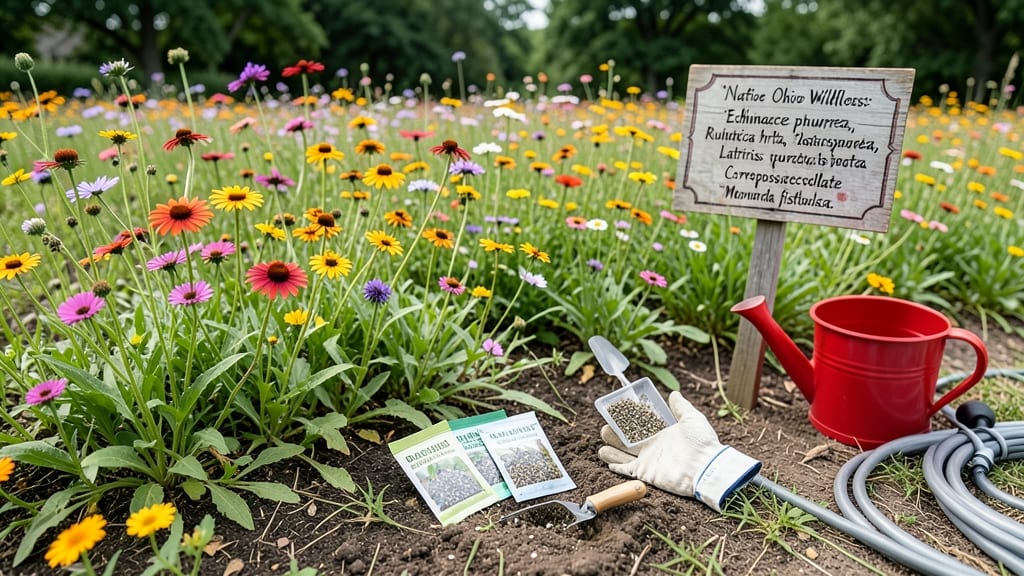
Planting wildflowers in Ohio at the wrong time can leave you staring at a patch of dirt instead of a vibrant meadow—but timing it right guarantees those cheerful blooms from spring to fall.
The key? Knowing whether to sow seeds in early spring or early fall, and how Ohio’s frost dates play into your success.
I’ve tested both planting windows across USDA Zone 6a, and here’s what I’ve learned: Ohio’s unpredictable frost can make wildflower gardening tricky, but with the right approach, you’ll skip the guesswork.
Whether you’re prepping for March-April sowing or planning your fall strategy, these tricks will help you outsmart the weather.
From selecting native species like black-eyed Susans to adjusting for your local microclimate, we’ll cover everything you need for zero-fail blooms. No more waiting to see if your seeds will survive—just confident planting and a garden that thrives.
Let’s dive into the exact planting windows, soil prep, and care tips that’ll turn your Ohio landscape into a wildflower paradise—without the frost-related surprises.
Ohio wildflower planting calendar: frost dates by region
Ohio’s diverse frost zones mean your wildflower timing should vary between Northern Ohio (colder) and Southern Ohio (warmer). I’ve mapped out the exact planting windows based on USDA Zones 5b-6b, so you can avoid frost damage and maximize blooms.
Urban areas often experience earlier frosts than rural zones, so adjust by 1-2 weeks if you’re in the city.
For spring planting, seed wildflowers 2-4 weeks after your average last frost date. In Northern Ohio, this typically falls between mid-April and early May, while Southern Ohio gardeners can start as early as late March.
Fall planting, however, should happen 6-8 weeks before your first frost, usually between mid-September and early October.
Here’s your Ohio wildflower planting calendar broken down by region, including microclimate adjustments for urban vs. rural areas:
| Region | Last Frost Date | First Frost Date | Spring Planting Window | Fall Planting Window | Microclimate Adjustment |
|---|---|---|---|---|---|
| Northern Ohio (Zones 5b) | April 25 | October 10 | May 10–May 25 | September 10–September 25 | Urban: Plant 1 week later |
| Central Ohio (Zones 6a) | April 15 | October 15 | April 25–May 10 | September 15–October 1 | Rural: Plant 1 week earlier |
| Southern Ohio (Zones 6b) | April 5 | October 20 | Late March–April 15 | September 20–October 5 | Urban: Plant 1 week later |
If you’re in Northern Ohio, aim for late April to early May for spring planting, as earlier sowing risks frost damage. Southern Ohio gardeners can start as early as late March, but monitor soil temperatures—seeds need at least 50°F to germinate.
For fall, Northern Ohio should plant by mid-September, while Southern Ohio has until early October.
For urban gardeners, heat islands can delay last frosts by 1-2 weeks, so adjust your timeline accordingly. If you’re unsure, use frost cloth to protect early seedlings in Northern Ohio or extend the season in Southern Ohio.
Always check your local Cooperative Extension office for year-specific adjustments, as frost dates can shift annually.
Pro tip: Stagger your planting by 2-3 weeks for a continuous bloom season. For example, sow half your seeds in early spring and the rest in late spring to ensure flowers appear from June through September.
This works especially well for mixed wildflower seed packs, which often contain species with different germination times.
Don’t forget that fall-planted wildflowers often establish better roots before winter and bloom more vigorously the following year. In Northern Ohio, focus on cool-season wildflowers like blue wild indigo or wild bergamot for fall planting, while Southern Ohio can include warm-season varieties like black-eyed Susan if planted early enough.
For container gardening or small spaces, start seeds indoors 4-6 weeks before your last frost date. Use seedling heat mats if your home runs cool, and transplant outdoors after the soil warms to 55°F. This gives you a 2-week head start on garden beds and ensures earlier blooms.
Finally, keep a planting journal to track your local frost dates and adjust future planting schedules. Over time, you’ll refine your timing to match your microclimate—whether that’s a shady urban alley or a
Best wildflower types for Ohio’s climate and their planting rules
Ohio’s native wildflowers thrive when planted at the right time, and choosing the right species for your USDA Zone 6a climate makes all the difference.
I’ve found that cool-season wildflowers like black-eyed Susans and blue wild indigo perform best when sown in early spring or fall, while warm-season varieties such as coneflowers and milkweed need that late spring kickstart.
For zero-fail blooms, match your planting window to the wildflower’s natural growth cycle.
Ohio’s frost dates (typically April 15 for last frost and October 15 for first frost) are your guide—plant cool-season flowers 6-8 weeks before the first frost or right after the last frost, while warm-season types need that soil warmth to germinate.
🌱 Ohio Wildflower Planting Rules by Type
- 🌿 Cool-Season Wildflowers (Plant March-April or September-October): Black-eyed Susan, Blue Wild Indigo, Coreopsis – Soil temp: 40-60°F
- 🌻 Warm-Season Wildflowers (Plant April-May after last frost): Coneflower, Milkweed, Butterfly Weed – Soil temp: 60-70°F
- 🌼 Perennial Wildflowers (Plant fall or early spring): Goldenrod, Aster, Bee Balm – Deep roots need time to establish
- 💧 Watering Tip: Keep soil lightly moist until seeds germinate (usually 10-21 days), then reduce to weekly watering
- ☀️ Sunlight Rule: All Ohio wildflowers need 6+ hours of sun—partial shade reduces blooms by 30-50%
Ohio’s clay-heavy soils can be a challenge, but amending with compost or sand improves drainage for milkweed and butterfly weed, which hate soggy roots. I’ve had the most success with raised beds in heavy clay areas—they warm up faster in spring, giving warm-season wildflowers a head start.
Native coneflowers are my top recommendation for Ohio gardens—they’re drought-tolerant, attract pollinators, and bloom from June to October. For early spring color, pair them with blue wild indigo, which thrives in poor soil and dry conditions.
Just remember: never till after planting—wildflower seeds need contact with soil to germinate.
If you’re planting in urban areas with limited space, opt for shorter varieties like coreopsis or goldenrod. These handle competition from weeds better than taller species and still pack a pollinator punch.
For wildlife benefits, include milkweed—it’s the only host plant for monarch butterflies, and Ohio’s populations need all the help they can get.
After planting, mulch lightly with straw to retain moisture and suppress weeds. Avoid heavy mulch—it can smother emerging seedlings. And here’s a pro tip: stagger your planting by 2-3 weeks for continuous blooms.
For example, sow half your coneflower seeds in April and the rest in early May—you’ll enjoy flowers from June through October instead of just one big burst.