
Flowers
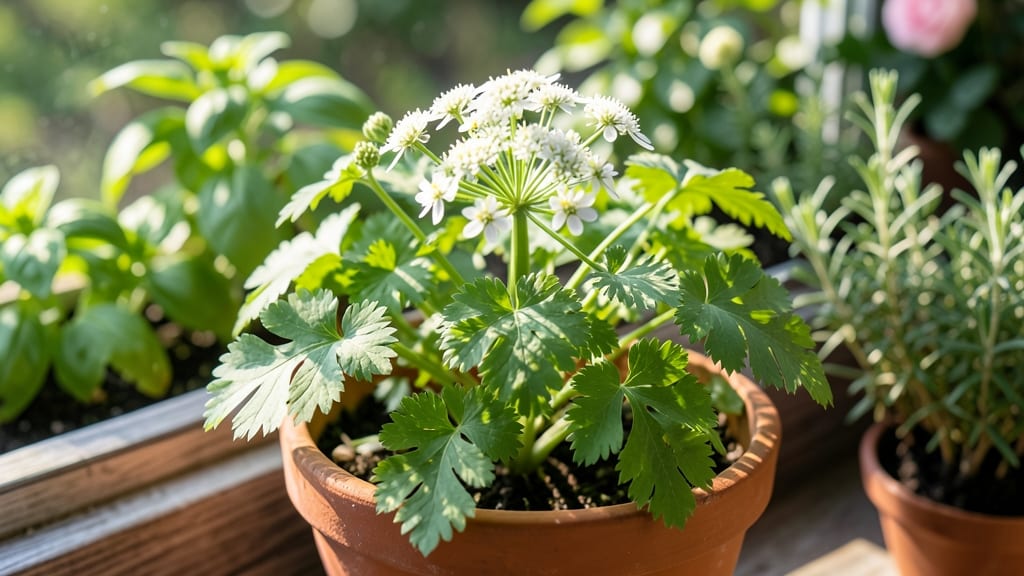
When your cilantro plant suddenly bursts into the delicate white or yellow flowers on cilantro, it’s not a sign of failure—it’s actually the plant’s natural next step.
These flowers mark a shift from leaf production to seed development, and understanding why they appear can help you decide whether to embrace them or delay the process.
For many gardeners, seeing those flowers means the end of tender, flavorful leaves—but it doesn’t have to.
The timing of these blooms is often tied to heat, day length, or even the plant’s age, and with a few simple adjustments, you can extend your leaf harvest or even encourage more flowers for seeds.
Whether you’re growing cilantro for cooking or saving seeds, knowing how to work with this natural cycle is key.
If you’ve ever wondered why your cilantro tastes bitter or bolts too quickly, the answer likely lies in those flowers. I’ll walk you through why they show up, how they affect your harvest, and the easiest ways to manage them—so you can keep enjoying fresh, vibrant cilantro 🌱 for longer.
From adjusting watering habits to providing shade, there are practical steps to delay flowering or even harness its benefits. Let’s break down the science and share actionable tips to make the most of your cilantro—whether you’re saving seeds or savoring leaves.

Why does cilantro flower and what it means for your harvest
Cilantro (Coriandrum sativum) is a biennial herb, meaning it follows a two-year lifecycle. In its first year, it focuses on leaf production, but when conditions are right, it transitions to flowering—often unexpectedly for home gardeners.
These white or yellow flowers signal the plant's shift from leaf growth to seed production, a natural progression triggered by specific environmental cues.
Understanding why your cilantro flowers is key to managing your harvest. The process, called bolting, can drastically alter leaf flavor and yield. While some gardeners see it as a setback, others embrace it for seed production or ornamental value.
The science behind bolting involves a mix of temperature stress, daylight exposure, and the plant's internal clock.
Here’s a quick breakdown of what triggers flowering and how it impacts your cilantro:
| Trigger | Effect on Plant | Impact on Harvest |
|---|---|---|
| Heat Stress (75°F+) | Triggers bolting within 7-10 days | Leaves turn bitter; growth slows |
| Long Daylight (14+ hours) | Stimulates flowering in 4-6 weeks | Reduces leaf production by 50-70% |
| Plant Age (60+ days) | Natural transition to reproductive stage | Stems become woody; leaves harden |
| Drought Stress | Accelerates bolting in 3-5 days | Leaves yellow; flavor degrades |
| Variety Genetics | Some types bolt faster (e.g., 'Santo') | Seed production increases; leaf yield drops |
The most common trigger for cilantro flowering is heat stress, especially in regions with hot summers. When temperatures rise above 75°F (24°C), cilantro perceives it as a signal to reproduce quickly.
This is why many gardeners in USDA Zones 8-10 struggle with bolting—even young plants may flower within days of heat waves.
Daylight also plays a crucial role. Cilantro is a long-day plant, meaning it flowers more readily with 14+ hours of daylight. In summer, this can happen naturally, but even in spring, extended daylight can trigger early bolting.
If you’re growing cilantro in containers, moving it to partial shade during peak afternoon sun can delay flowering by 2-4 weeks.
Age matters too. Most cilantro varieties are ready to bolt after 60 days of growth. If you’re harvesting leaves regularly, you might delay flowering by 10-15 days, but eventually, the plant will prioritize seed production.
Some gardeners intentionally allow a few plants to flower to collect seeds for next year’s garden.
Not all cilantro varieties bolt at the same rate. 'Calypso' cilantro, for example, is bred to resist bolting longer than standard types, making it ideal for hot climates.
Meanwhile, 'Santo' cilantro flowers aggressively, often within 30-40 days, which is great if you’re growing it for seeds but challenging for leaf production.
When cilantro flowers, its leaves often become bitter and tough, a direct result of the plant redirecting energy to seed production. The soapy or citrusy notes you love in fresh cilantro fade as the plant matures.
However, the flowers themselves are edible and can add a mild, citrusy flavor to dishes like soups or salads.
If you’re growing cilantro for seeds, flowering is a positive sign. Once the flowers fade, they’ll give way to seed pods that dry into the familiar cilantro seeds (coriander) used in cooking.
To collect seeds, let the pods dry on the plant, then harvest and store them in a cool, dark place for up to 1 year.
To maximize leaf production, focus on cool-season growing (spring or fall) and avoid letting plants mature beyond 45 days. Regular harvesting—cutting outer leaves—can delay bolting by 1-2 weeks by encouraging bushier growth. For gardeners in warm climates, consider shade cloth or drip irrigation to maintain consistent moisture and temperature.
Embrace the flowers! While they may signal the end of your leaf harvest, they’re a natural part of cilantro’s lifecycle. With the right approach, you can turn bolting into an opportunity for homegrown seeds or even ornamental blooms in your garden. 🌼
How to encourage flowers on cilantro for better seed production
If you’re growing cilantro specifically for its seeds or want to maximize your flower production, you’ll need to intentionally trigger the plant’s natural flowering cycle. Unlike leaf-focused harvests, encouraging flowers on cilantro requires a slightly different approach—one that leverages light exposure, temperature shifts, and plant maturity.
The good news? It’s easier than you think, and the results—fresh seeds for next year’s garden—are well worth the effort.
Most gardeners accidentally encourage flowering by letting their cilantro get too hot or mature too quickly, but you can control this process for better seed yields. The key is understanding that cilantro flowers in response to long daylight hours and warm temperatures, especially in late spring or early summer.
By adjusting your planting schedule or providing the right conditions, you can coax your plants into blooming at the perfect time for seed collection.
Encouraging Cilantro Flowers: Pros & Cons
Pros
- Seed savings: Collect seeds for next year’s garden
- Extended harvest: Some leaves remain usable during early flowering
- Natural pollination: Attracts beneficial insects to your garden
- Organic method: No chemicals needed to trigger flowering
Cons
- Reduced leaf production: Flowers signal the end of tender leaves
- Time-sensitive: Seeds must be collected before they scatter
- Heat risk: Hot weather can cause premature bolting
- Space needs: Allow room for plants to grow tall for seed heads
Balancing these factors ensures you get the best of both worlds—flowers for seeds and leaves for cooking!
To encourage flowering, start by planting your cilantro in early spring or late summer, when temperatures are cooler. Cilantro bolts (sends up flower stalks) in response to heat, so avoiding mid-summer planting is crucial.
If you’re in a warm climate, try growing cilantro in partial shade to delay flowering until you’re ready for seeds. I’ve found that providing consistent moisture and well-draining soil also helps cilantro focus on leaf growth longer before flowering.
Once your cilantro starts showing flower buds, reduce watering slightly to signal the plant it’s time to shift resources to seed production. This stress-inducing trick mimics natural drought conditions and encourages the plant to prioritize flowering over leaf growth.
Just be careful not to overdo it—wilting stems won’t produce healthy seeds! For even better results, let a few plants flower naturally while harvesting leaves from others to extend your harvest season.
If you’re aiming for a controlled flowering environment, consider growing cilantro indoors under grow lights with a 14-hour daylight cycle to mimic late spring conditions. This method gives you precise control over when your cilantro flowers, ensuring you’re ready to collect seeds at the optimal time.
I’ve had great success with this approach in my greenhouse, where I can adjust light schedules to delay or accelerate flowering based on my seed-saving goals.
After your cilantro flowers, allow the seed heads to fully mature and turn brown before harvesting. Once dry, simply rub the seeds into a paper bag for storage.
These seeds will be ready to plant next season, giving you a free, organic supply of cilantro that’s perfectly adapted to your local climate. The best part? You’ll never have to buy cilantro seeds again!
With a little patience and these simple techniques, you can turn those once-unwanted flowers into a gardener’s treasure 🌼.