
Flowers
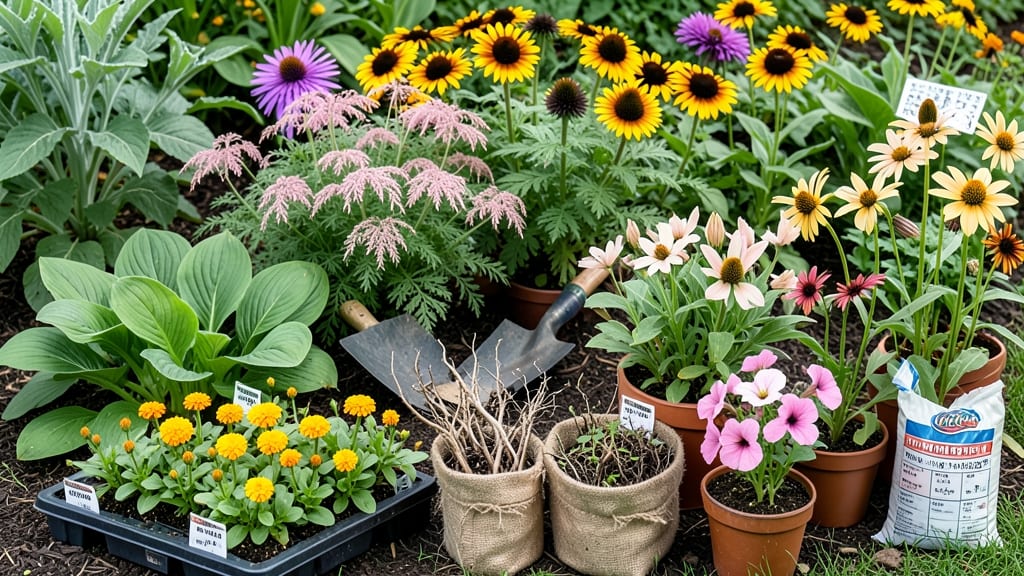
Planting flowers in Michigan at the wrong time can mean the difference between a show-stopping garden and a frost-killed disappointment. The best time to plant flowers in Michigan hinges on understanding your zone's last frost date—typically around April 15—and preparing your soil accordingly.
Whether you're dreaming of vibrant 🌸 petunias, hardy coneflowers, or fragrant peonies, timing matters more than you might think. Michigan's 5b-6b zones demand precision: early spring bulbs need to go in the ground by March, while frost-sensitive annuals should wait until after May’s last frost.
I’ve spent years perfecting my garden’s schedule, and the key is balancing soil temperature, frost risks, and flower types. Perennials like daylilies thrive with early spring plantings, while tender annuals like marigolds need to wait until the ground warms to 60°F.
Ready to avoid common mistakes and maximize your blooms? Let’s break down the exact windows for annuals, perennials, and bulbs—so you can enjoy a garden that’s always in full, vibrant bloom.
Michigan flower planting calendar by Zone 5-6: exact months for annuals, perennials, and bulbs
Michigan’s frost dates can vary by 1-2 weeks between northern Zone 5b and southern Zone 6b, making precise timing critical. Whether you're planting tender annuals, hardy perennials, or spring bulbs, knowing your exact frost-free window ensures your flowers thrive—not freeze.
Let’s break down the month-by-month planting schedule tailored to Michigan’s unique climate.
For Zone 5b (northern Michigan), the average last frost date is May 10-15, while Zone 6b (southern Michigan) typically sees its last frost around April 25-May 5.
These dates shift based on lake-effect patterns and urban heat islands, so always check your local Almanac or use a soil thermometer to confirm readiness.
Here’s your Michigan flower planting calendar, organized by plant type and frost-sensitive categories. Use this as your garden roadmap to avoid late-spring frosts and maximize bloom time.
| Plant Type | Zone 5b (Northern MI) | Zone 6b (Southern MI) | Key Notes |
|---|---|---|---|
| Spring Bulbs (Tulips, Daffodils) | Plant September-October (6-8 weeks before frost) | Plant October-November (soil temps <60°F) | Cold-hardy; blooms April-May. Use mulch in winter. |
| Early Perennials (Coneflowers, Black-Eyed Susans) | Plant April 15-May 10 (after last frost) | Plant April 1-May 5 (soil 50°F+) | Drought-tolerant; full sun lovers. Divide every 3-4 years. |
| Frost-Sensitive Annuals (Marigolds, Petunias, Impatiens) | Wait until May 20-June 1 (soil 60°F+) | Plant May 10-May 25 (after last frost) | Use row covers for late frosts. Deadhead for longer blooms. |
| Hardy Perennials (Daylilies, Hostas, Peonies) | Plant April 1-May 15 (soil workable) | Plant March 20-April 30 (earlier in Zone 6b) | Low-maintenance; partial shade options. Mulch in winter. |
| Late-Season Annuals (Zinnias, Cosmos, Sunflowers) | Direct sow June 15-July 15 (fast growers) | Direct sow May 30-June 30 (avoid first frost) | Heat-loving; drought-resistant. Great for cut flowers. |
| Fall Planting (Pansies, Snapdragons, Kale) | Plant August 15-September 15 (6-8 weeks before frost) | Plant August 1-September 10 (soil 55°F+) | Cold-tolerant; brighten winter gardens. Use mulch. |
🌱 Pro Tip: Always check your local frost dates—they can shift yearly!
For Zone 5b gardeners, late-May is your last chance to plant heat-loving annuals like geraniums or salvias without risking frost damage. In Zone 6b, you can push early spring plantings slightly earlier, especially for cold-hardy perennials like lavender
How to adjust planting times for Michigan’s microclimates: urban heat islands vs. rural frost zones
Michigan’s diverse microclimates can shift your planting windows by weeks—even within the same county. Urban areas like Detroit or Grand Rapids often experience urban heat islands, where pavement and buildings delay frost by 1-2 weeks compared to rural zones.
Meanwhile, lake-effect regions near Lake Michigan or Huron can freeze later in spring but also cool faster in fall. Understanding these variations helps you avoid frost damage while maximizing bloom time.
For example, annuals like marigolds or petunias may thrive 2 weeks earlier in downtown Ann Arbor than in a frost-prone farmland area. Similarly, perennial bulbs like daffodils can be planted in late October in urban zones but need to go in by mid-October in rural areas.
The key? Soil temperature matters more than air temperature—always check with a soil thermometer before planting.
⚠️ callout warning ⚠️
City sidewalks and buildings can raise soil temps by 5-10°F, tricking you into planting too early. Test soil at 60°F (not air temp!) before planting heat-sensitive flowers like impatiens. Rural areas may need row covers for late-May plantings to protect from unexpected frost.
Start by mapping your local frost dates.
Use the Michigan State University Extension frost map as a baseline, then adjust: - Urban areas: Subtract 7-10 days from last-frost dates (e.g., plant geraniums by May 10 instead of May 17). - Lake-effect zones: Add 5-7 days to first-frost dates (e.g., extend zinnia season until October 1). - Rural frost pockets: Wait until May 24 (average last frost) or use frost cloth for early plantings.
For precision planting, invest in a $15 soil thermometer. Most flowers need soil temps above 55°F for roots to establish. In my Detroit garden, I’ve seen pansies survive April 1 plantings in urban beds but fail in nearby oakland county fields due to colder soil.
A 5-minute check saves hours of replanting!
Adjust your fall planting too.
In zone 5b (northern MI), plant spring-blooming bulbs by October 15, but in zone 6a (southern MI), you have until November 1. Mulch heavily in rural areas to insulate bulbs from early freezes, while urban gardens may need less mulch due to retained heat.
Pro tip: Group plants by microclimate. Dedicate one bed to urban-tolerant flowers like lantana (thrives in heat) and another to cool-loving columbines for rural-style gardens. With these adjustments, you’ll double your bloom time—no frost surprises! 🌸