
Flowers
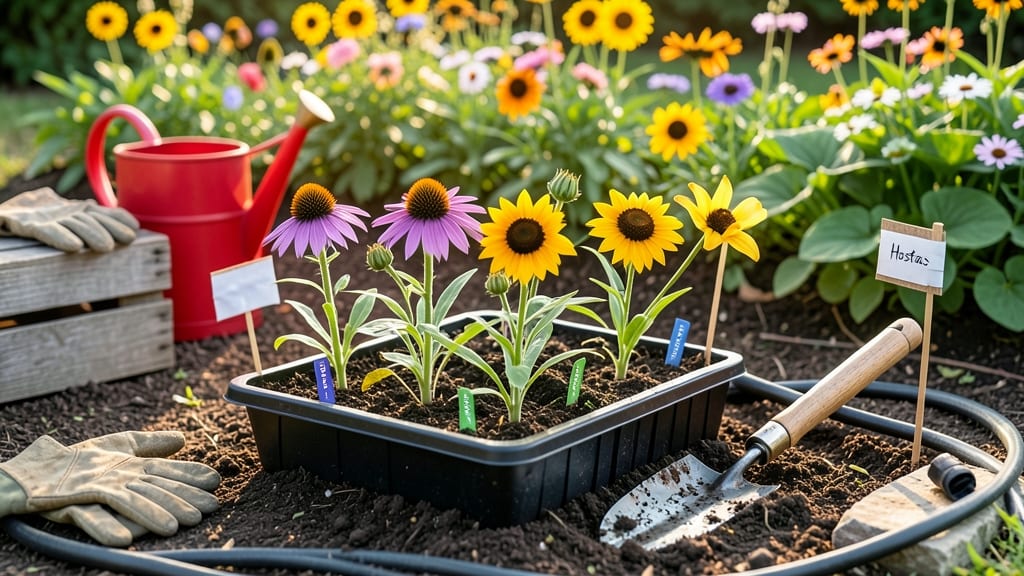
Planting flowers in New England at the wrong time can leave you staring at a frosty, lifeless garden—so timing is everything. With hardiness zones 5-7 and unpredictable weather, knowing when to plant isn’t just helpful—it’s essential for vibrant blooms all season.
I’ve spent years watching New England gardens thrive (and sometimes struggle) and learned the key to success: aligning your planting with soil temperatures, frost dates, and local microclimates. Whether you’re sowing spring bulbs or summer annuals, the right moment makes all the difference.
From coastal areas with milder winters to inland zones where frost lingers late, I’ll break down the best planting windows for annuals, perennials, and bulbs. You’ll discover how to beat early frosts, extend your growing season, and avoid common mistakes that waste time and money.
Ready to transform your garden into a blooming paradise? Let’s dive into the easiest way to plant flowers in New England—no guesswork required.
New England flower planting calendar by hardiness zones 5-7
New England’s diverse climate across Hardiness Zones 5-7 means your planting timeline should shift depending on whether you’re in cooler Maine (Zone 5) or warmer Connecticut (Zone 7).
The key is knowing your average last frost date—typically mid-April to early May—and adjusting for microclimates like coastal areas, which warm faster.
For Zone 5 (e.g., Portland, ME), aim to plant cool-season flowers like pansies and snapdragons 4-6 weeks before your last frost.
In Zone 7 (e.g., Hartford, CT), you can push warm-season annuals like marigolds and zinnias 2-3 weeks earlier than Zone 5. Bulbs and perennials also have ideal windows—plant them when soil temps hit 50°F for best root establishment.
Pro Tip: Use a soil thermometer to confirm readiness. Zone 6 (e.g., Boston, MA) sits in the middle—balance early bloomers like tulips with heat-loving petunias. Fall planting (for spring blooms) works best in September-October, giving roots time to establish before winter.
In Zone 5, late-May frosts can still occur, so protect tender plants with row covers or wait until Memorial Day weekend to plant tomatoes and peppers (though these aren’t flowers, they share the same timing rules).
For Zone 7, you can extend your season by planting heat-tolerant flowers like lantana or salvia as late as June.
Bulbs like tulips and daffodils should be planted in fall (September-October) for spring blooms, regardless of zone. In Zone 6, hardy perennials such as peony and daylily can handle early spring planting as soon as the ground thaws, but avoid working wet soil to prevent root damage.
For container gardening, adjust timing by 2-3 weeks earlier since pots warm up faster. Coastal areas (e.g., Portsmouth, NH) may see earlier last frosts than inland zones, so monitor local frost forecasts and have frost cloth ready. Mulch with straw or leaves in fall to insulate perennial roots during winter.
If you’re new to New England gardening, start with low-maintenance per
Top 5 flowers to plant in New England by season (with planting tips)
New England’s four distinct seasons create unique opportunities for gardeners, but timing is everything. I’ve selected five standout flowers that thrive in zones 5-7, each with a perfect planting window to ensure vibrant blooms from spring to winter.
Whether you’re a beginner or seasoned gardener, these seasonal picks will transform your garden with minimal fuss.
Spring bulbs like daffodils and tulips are my go-to for early color, while summer annuals such as petunias and marigolds bring bold hues to containers and borders.
Don’t overlook fall perennials like mums and asters—they add structure and late-season interest. Even winter-hardy heather and hellebores keep your garden lively when most plants rest.
- 1 Spring Bulbs (March-April): Plant daffodils and tulips 6-8 weeks before last frost (typically late March in zone 5, early April in zone 7). Work bulbs into well-draining soil at 2x their depth for best results. These early bloomers naturalize beautifully and return year after year.
- 2 Summer Annuals (May-June): Wait until soil warms to 60°F+ (late May in zone 5, early May in zone 7) to plant petunias and marigolds. These heat-loving flowers thrive in full sun and bloom nonstop. Start seeds indoors 4-6 weeks before transplanting for a head start.
- 3 Fall Perennials (August-September): Plant mums and asters 6-8 weeks before first frost (early September in zone 5, late September in zone 7). These late-season stars add color when other plants fade. Choose varieties like 'Autumn Joy' mums for long-lasting blooms.
- 4 Winter-Hardy Options (September-October): For year-round interest, plant heather and hellebores in early fall. These cold-resistant plants tolerate frost and even snow. Heather’s evergreen foliage provides structure, while hellebores bloom in late winter.
- 5 Pro Tip for All Seasons: Always test soil moisture before planting—New England’s unpredictable rain can delay or accelerate growth. Use mulch to regulate soil temperature and retain moisture, especially for newly planted bulbs and perennials.
One of my biggest mistakes was planting tulips too early in zone 5—frost heaved them right out of the ground! Now, I wait until mid-April when soil temperatures stabilize.
For petunias, I’ve found that starting seeds indoors in early April gives them a strong start before transplanting after Memorial Day.
Don’t forget to rotate annuals yearly to prevent disease buildup, and divide perennials every 3-4 years to keep them healthy. With these seasonal strategies, your New England garden will be a blooming paradise from spring through winter. 🌷