
Flowers
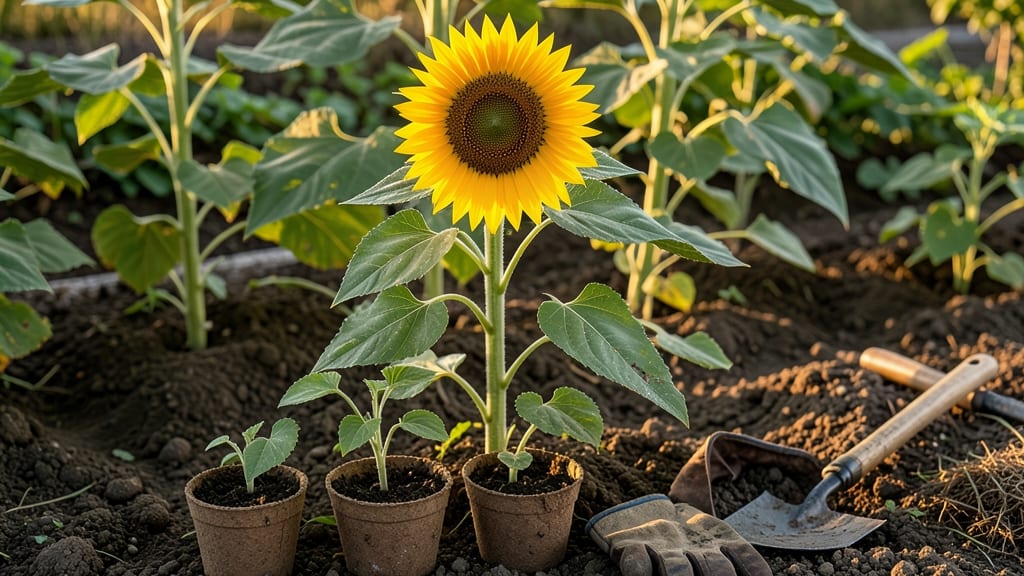
Planting sunflowers in South Carolina at the wrong time can mean watching your 🌻 dreams wither before they even bloom. The perfect window for planting these cheerful giants hinges on frost dates that shift from Charleston’s coastal breezes to the Upstate’s chilly mornings.
Most SC gardeners know the general rule—wait until after the last frost—but the exact timing varies by zone. In USDA 8a, like much of the state, mid-April to early June is prime, but coastal areas can push seeds into the ground a week earlier.
The key? Soil temperature hitting at least 50°F and those stubborn frost warnings finally fading.
Why does this matter? Sunflowers thrive on long, warm days, and planting too early risks frost damage, while waiting too long cuts bloom time short. I’ll break down the best schedules for your region, plus variety-specific tips to keep those towering faces turning toward the sun all summer long.
From dwarf 'Teddy Bear' varieties to towering 'Russian Giants', each needs its own timing tweak. Let’s get those seeds in the ground when they’ll really take off—no guesswork, just SC-proven success.
South Carolina frost dates & ideal sunflower planting windows by region
South Carolina’s diverse climate spans USDA zones 7a-8b, creating big differences in frost dates from Charleston to the Upstate. These variations mean your sunflower planting window should shift depending on where you live. Understanding your region’s last frost date ensures your sunflowers bloom before summer heat arrives—without freezing overnight.
In coastal areas like Charleston, the average last frost occurs around March 15, giving you an early start. Meanwhile, Upstate regions near Greenville often see frost lingering until April 1.
These differences can mean 4-6 weeks of timing variation for your sunflower seeds—critical for avoiding frost damage or overly late blooms.
Sunflowers thrive when planted 2-3 weeks after your area’s last frost date, with soil temperatures above 50°F. For Charleston gardeners, this means mid-April planting, while Upstate growers should wait until early May.
This timing ensures your plants mature before summer heat stress or late-season hurricanes disrupt growth.
Here’s how your region’s frost dates impact sunflower planting windows and bloom potential:
For coastal gardeners, planting in mid-April ensures sunflowers bloom by July, avoiding hurricane season damage. In the Upstate, waiting until early May prevents late frost from killing young seedlings. The Midlands offer a middle-ground window, perfect for succession planting to extend blooms through September.
Sunflowers planted too early may bolt (flower prematurely) due to warm winter conditions in SC’s mild zones. Conversely, late planting risks immature blooms before the first fall frost (typically November 15). Aim for 60-70 days to maturity before your average first frost to guarantee full blooms.
Pro tip: Use row covers if planting 3 weeks early in cooler zones. This protects seedlings from unexpected frost while accelerating growth. For coastal areas, prioritize dwarf varieties like ‘Teddy Bear’ to handle humidity and wind better than tall types.
If you’re in Zone 7a (Upstate), consider fall planting in early September for late-season blooms. These sunflowers will mature before first frost and often outperform spring-planted varieties in heat-stressed soil. Just ensure seeds have 60+ days to harvest before November 15.
Remember: Soil temperature matters more than air temperature. Use a soil thermometer to confirm 50°F+ before planting. In sandy coastal soils, warm up faster, while clay-heavy Upstate soil may need black plastic mulch to reach ideal temps.
By aligning your planting schedule with your region’s frost dates, you’ll maximize sunflower blooms and avoid common SC gardening pitfalls. Whether you’re in Charleston’s humidity or Greenville’s cooler nights,
Best sunflower varieties for SC’s climate & their planting schedules
South Carolina’s humid heat and long summers create the perfect stage for sunflowers—but not all varieties shine equally here. The right type and planting timing can mean the difference between a 10-foot giant and a floppy, heat-stressed flop.
I’ve tested dwarf, medium, and giant varieties in my Charleston garden, and these three categories handle SC’s climate best when planted at the right time.
For dwarf varieties like 'Teddy Bear', I plant seeds 2-3 weeks earlier than giants—around late March to early April. These 1-3 foot beauties tolerate light frosts better and bloom faster, giving you cheerful faces by June.
The 'Moulin Rouge' medium variety, with its 5-foot stems and deep red petals, thrives when planted in mid-April for a July-August showstopper.
Giant varieties like 'Russian Giant' need maximum heat to reach their 12-14 foot potential. I wait until mid-May to plant these, giving the soil time to warm fully. The trade-off? They bloom late summer, often pushing into September when hurricane risks rise. For a fall backup, I’ve had success with 'Autumn Beauty', which handles cooler temps better than most.
| Variety | Type | Planting Window | Height | SC Climate Notes |
|---|---|---|---|---|
| Teddy Bear | Dwarf | Late March-Early April | 1-3 ft | Frost-tolerant, blooms early |
| Moulin Rouge | Medium | Mid-April | 5 ft | Heat-loving, dramatic color |
| Russian Giant | Giant | Mid-May | 12-14 ft | Needs staking, late bloom |
| Autumn Beauty | Medium | Late April-Early June | 5-6 ft | Fall-friendly, disease-resistant |
Here’s my pro tip: Use black plastic mulch to warm soil faster for early plantings. I’ve seen 'Teddy Bear' seeds sprout 3 days earlier with this trick. For giant varieties, I always pre-soak seeds overnight to handle SC’s dry spells better.
The key is adjusting for your microclimate—coastal areas can plant 1-2 weeks earlier than the Upstate.
Don’t overlook fall plantings either! In USDA 8a, I’ve had 'Autumn Beauty' thrive when planted in late July. These late bloomers give you September-October color when most gardens are winding down. Just avoid planting after August 15—seedlings won’t have enough time to mature before first frost.
Remember: Sunflowers follow the sun, and in SC, that means timing is everything. Whether you’re growing whimsical dwarfs or towering giants, these schedules keep your garden blooming from June to October. Now go plant—your sunflower dreams are about to come true! 🌻