
Flowers
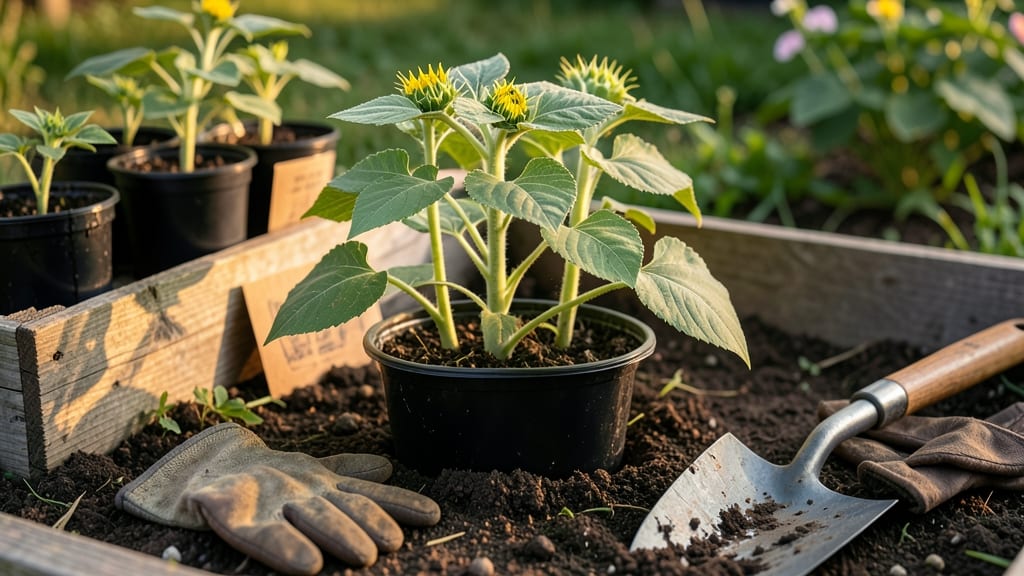
Timing your sunflower 🌻 planting right in South Carolina means the difference between towering summer blooms and sad, stunted stalks. If you plant too early, frost will nip those tender seedlings before they even sprout, while late starts risk wilting in the brutal July heat.
Most gardeners in zones 7b-8b know the golden rule: wait until after your last frost date—typically around March 15—but there’s more to it than just checking the calendar. The real secret lies in understanding how your sunflowers’ growth stages align with South Carolina’s unpredictable spring warmth and summer humidity.
In this guide, I’ll break down the exact planting windows for both spring and late-summer sunflowers, including how to prep your soil for 55°F+ temperatures and avoid common pitfalls like heat stress or late frosts.
Whether you’re growing 4-foot dwarf varieties or 14-foot giants, these tips will help you time it perfectly.
Ready to turn your garden into a sunflower paradise? Let’s dive into the frost-free timeline that works for your specific zone—and keep those cheerful faces blooming all season long.
South Carolina sunflower planting dates by hardiness zone (frost-free timeline)
South Carolina’s USDA hardiness zones 7a-8b create a unique growing window for sunflowers, where spring warmth and fall humidity both play critical roles. The key to success?
Planting after the last frost date—typically mid-March in zone 7a and early March in zone 8b—while avoiding the brutal summer heat that can stress young plants.
Sunflowers thrive in warm soil temperatures (55°F+), so rushing to plant too early can stunt growth. Meanwhile, late-summer varieties must be sown before August 15 to mature before the first frost in mid-November. Let’s break down the exact planting windows for each zone to maximize your blooms.
| Zone | Last Frost Date | Spring Planting Window | Fall Planting Window | Heat Tolerance Tip |
|---|---|---|---|---|
| 7a (Charleston, Myrtle Beach) | March 15 | March 20 – April 30 | July 20 – August 10 | Use mulch to retain moisture |
| 7b (Columbia, Florence) | March 1 | March 15 – May 1 | July 15 – August 15 | Choose drought-resistant varieties |
| 8a (Greenville, Spartanburg) | February 28 | February 28 – April 15 | July 1 – August 20 | Plant in partial shade for seedlings |
| 8b (Hilton Head, Beaufort) | February 15 | February 15 – April 1 | June 20 – August 30 | Water deeply in late summer |
In zone 7a, where frosts linger longer, wait until March 20 to plant sunflowers—this ensures soil warmth without risking frost damage. For zone 8b, you can start as early as February 15, but monitor weather forecasts for late frosts, especially in inland areas.
For fall planting, aim to sow seeds by mid-August in most zones. Sunflowers planted in late summer will bloom in September-October, adding late-season color before frost. In zone 8b, you can push planting to late August for a longer display.
Heat tolerance varies by variety, but most sunflowers struggle when soil temps exceed 90°F. To combat this, plant dwarf varieties like 'Teddy Bear' in peak summer or use shade cloth for young seedlings. Mulching with straw or wood chips also helps retain moisture during SC’s humid summers.
Pro tip: Succession plant every 2 weeks in spring for continuous blooms. Start with early varieties (50-60 days to maturity), then follow with mid-season types (60-75 days). This strategy ensures flowers from June through October, regardless of your zone.
If you’re growing sunflowers for seeds or cut flowers, prioritize late-summer planting in zones 8a-8b. These plants will mature just before frost, yielding heavier seed heads and sturdier stems for arrangements.
Remember: Soil temperature matters more than air temperature. Use a soil thermometer to confirm 55°F+ before planting. In cooler zones, consider black plastic mulch to warm the soil faster and extend your planting window by 1-2 weeks.
For container growing, start seeds indoors 4-6 weeks before your last frost date and transplant after danger of frost has passed. Containers dry out faster, so water daily during heatwaves and use self-watering pots for best results.
Sunflowers are one of the easiest flowers to grow in South Carolina—but timing is your secret weapon. Follow these zone-specific windows, and you’ll enjoy towering blooms from spring to frost.
Best sunflower varieties for South Carolina’s climate (heat-tolerant vs. early-blooming)
South Carolina’s humid summers and unpredictable spring frosts demand sunflower varieties that can handle both extremes. Heat-tolerant varieties like 'ProCut' thrive in 90°F+ temperatures, while early-blooming types like 'Moulin Rouge' beat the heat by finishing their life cycle before peak summer.
Choosing the right variety ensures vibrant blooms from May through October, even in our USDA Zone 7b-8b climate.
For gardeners in Upstate SC (Zone 7b), prioritize drought-resistant varieties that won’t wilt under low rainfall conditions. Meanwhile, those in Coastal SC (Zone 8a-8b) can focus on heat-tolerant and late-season performers that handle high humidity without fungal issues.
The key is matching your planting window to each variety’s days to maturity.
Here’s how the top 5 sunflower varieties compare for South Carolina gardens, including height, bloom time, and climate resilience:
'Moulin Rouge' is my top pick for early-season color—its 50-day bloom time means you’ll see flowers as early as late May if planted in March. This dwarf variety also resists powdery mildew, a common issue in SC’s humid summers. For cut flowers, 'ProCut' is unbeatable; its thick stems stay fresh for 10+ days in vases.
If you’re aiming for late-season blooms, 'Autumn Beauty' delivers multi-colored flowers from July through October. Its heat tolerance makes it ideal for Coastal SC gardens, where temperatures can exceed 95°F.
For shade-tolerant options, consider 'Teddy Bear', which thrives in partial sun and produces edible seeds perfect for bird feeders.
Pro tip: Pair heat-tolerant varieties like 'ProCut' with shade-loving companions like zinnia or marigold to extend your garden’s