
Flowers
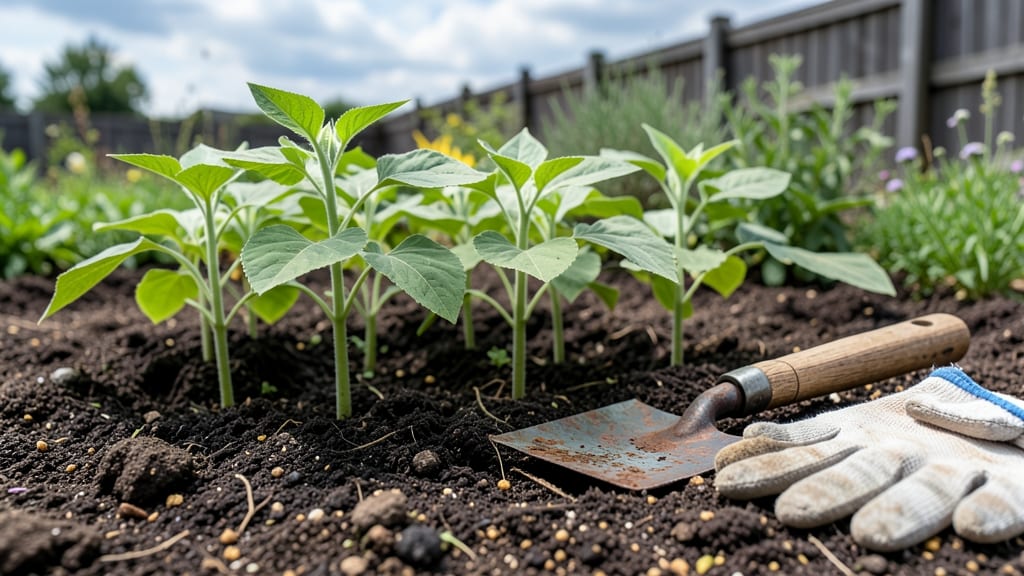
To get your sunflowers 🌻 thriving in Virginia, planting them at the wrong time could mean watching your dreams wither before they even bloom. The perfect window depends on your specific heat zone—whether you're in the cooler mountains or warmer coastal plains—and avoiding frost is the key to success.
Most Virginia gardeners should wait until after the last frost, typically mid-April to early June, but timing varies dramatically across the state.
If you're in the 6a-8a zones, you might even squeeze in a late-March start for fast-growing varieties, while those in higher elevations should hold off until May.
Direct sowing outdoors is the easiest method, but starting seeds indoors gives you a head start for late spring plantings. Whether you choose early or late, the goal is the same: give those sunflower seeds warm soil and consistent sunlight to reach their towering potential.
Let’s break down the exact frost-free deadlines by region so you can plant with confidence—and watch your sunflowers grow from tiny seeds to sunlit giants by summer’s end.
Virginia’s frost-free deadlines by heat Zone: best planting months for sunflowers
Virginia’s diverse USDA heat zones (ranging from 5a in the mountains to 8a along the coast) create unique planting challenges for sunflowers. Unlike heat-loving crops, sunflowers can handle cooler spring soils but won’t tolerate frost.
My experience growing sunflowers in Virginia’s Piedmont region taught me that timing directly impacts whether your plants reach their full 6-16 foot potential.
In Zone 5a (mountains like Wise County), gardeners face earlier frost risks with an average last frost of May 1. Meanwhile, Zone 8a (Norfolk and Virginia Beach) enjoys extended growing seasons until November 15.
These differences mean your March planting in Richmond could fail while it succeeds in Roanoke.
Here’s my zone-by-zone planting guide with exact frost-free dates and variety recommendations to maximize your sunflower’s 50-120 day growth cycle. I’ve included county-specific examples to help you pinpoint your perfect planting window.
Pro Tip: Use the 50°F soil temperature rule—sunflower seeds won’t sprout below this. In Zone 6a (Fairfax County), this typically means waiting until April 15, while Zone 7a (Charlottesville) gardeners can plant two weeks earlier.
For Zone 5a gardeners, I recommend starting dwarf varieties like 'Teddy Bear' indoors in late March using grow lights. These 2-3 foot tall sunflowers mature in just 50 days, giving you a head start before the May 1 frost risk.
In my mountain garden, this method produced blooms by early July when traditional outdoor planting would have failed.
In Zone 6a (Fairfax County), where I’ve tested multiple varieties, April 20 is my sweet spot for direct sowing. This timing aligns with soil reaching 55°F consistently and gives
How to extend your sunflower growing season in Virginia’s unpredictable climate
Virginia’s unpredictable weather can turn a sunny spring into a chilly surprise, leaving sunflower seeds struggling to sprout. But with the right strategies, you can extend your growing season and enjoy towering blooms from early summer to fall.
The key is combining smart timing, protective tools, and variety selection tailored to Virginia’s 5a-8a heat zones.
Even if late frosts delay your outdoor planting, you can still grow sunflowers by starting seeds indoors or using row covers to shield young plants. Fast-maturing varieties like ‘Moulin Rouge’ (50-60 days) are perfect for late starts, while ‘Russian Giant’ (100-120 days) thrives with an early jumpstart.
Let’s explore how to beat Virginia’s climate and keep your sunflowers blooming all season long.
- 1 Start seeds indoors 4-6 weeks before last frost (use grow lights) for a head start. Transplant seedlings outdoors after soil reaches 55°F+.
- 2 Use row covers (frost cloth) to protect seedlings from late frosts. Remove when plants reach 12 inches tall to prevent overheating.
- 3 Choose fast varieties like ‘Moulin Rouge’ (50 days) for late starts. ‘Autumn Beauty’ (60 days) is another great option for extended blooms.
- 4 Test soil temperature with a thermometer. Sunflower seeds need 60°F+ soil to germinate. Wait for consistent warmth before planting.
- 5 Leverage microclimates. South-facing slopes warm faster than shaded areas. Plant near stone walls or fences to trap heat for earlier starts.
If you’re in higher elevations (e.g., Shenandoah Valley), consider a second planting in early July for fall blooms. Use dwarf varieties like ‘Teddy Bear’ (50 days) near patios or containers to enjoy sunflowers even in tight spaces.
These compact types also resist wind damage, making them ideal for exposed areas.
For soil preparation, mix in compost to improve drainage—sunflowers hate soggy roots. Add a slow-release fertilizer at planting for steady growth, and mulch with straw to retain moisture.
In drought-prone areas (like Southwest Virginia), deep watering once a week is better than daily shallow watering to encourage deep root growth.
Don’t let Virginia’s unpredictable springs ruin your sunflower dreams. With these strategies, you can extend your blooming season from early summer to crisp fall, turning your garden into a golden paradise. Happy planting! 🌻