
Flowers
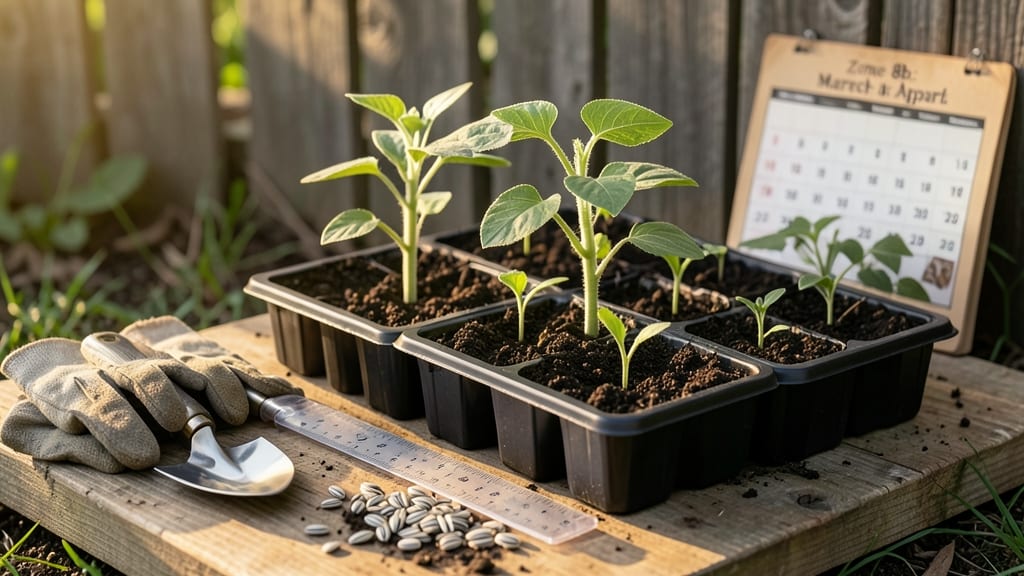
Planting sunflowers at the wrong time in Zone 8b could mean watching your 🌻 dreams wilt before they even bloom. The key to towering, vibrant sunflowers lies in understanding your local microclimate and frost patterns—because even a light chill can stunt growth or trigger early bolting.
If you’ve ever planted sunflowers only to see them struggle through cool nights or bolt too quickly, you’re not alone. Zone 8b’s mild winters and hot summers create a tricky balance, but getting the timing right transforms your garden into a sunflower paradise.
Let’s break down the perfect windows for planting—whether you’re starting in spring or fall—and how to adjust for your specific conditions.
Most gardeners in Zone 8b rush to plant as soon as the weather warms, but that’s a common mistake. Sunflowers need consistent warmth to germinate and thrive, so waiting until after your last frost date (typically around mid-January) gives them the best start.
I’ll show you exactly when to plant for zero-frost success, plus how to handle late starts without sacrificing those iconic blooms.
Ready to grow sunflowers that reach their full potential? We’ll also cover soil prep, variety selection, and companion planting tips to ensure your sunflowers don’t just survive—they thrive. Whether you’re a first-time gardener or a seasoned pro, these insights will help you plant with confidence.
Optimal sunflower planting dates in Zone 8b (with frost-free guarantees)
Sunflowers love warmth, but in Zone 8b, timing is everything to avoid frost damage. The last average frost date here is around January 15, but microclimates—like coastal areas—can push this back by weeks.
Plant too early, and your seedlings may bolt or get nipped by surprise cold snaps. Let’s pinpoint the perfect windows for both spring and fall plantings.
For spring planting, aim for February through early April when soil temperatures consistently stay above 50°F (10°C). This gives sunflowers enough time to mature before the first frost in mid-December.
Coastal areas may start slightly earlier, while inland spots should wait until mid-March to avoid late frosts. Fall planting is trickier but possible—focus on late August to early September for blooms before winter.
Soil temperature matters more than air temperature for sunflower seeds. Use a soil thermometer to confirm it’s at least 55°F (13°C) before planting. Cold soil can delay germination by weeks, leaving your plants vulnerable. In Zone 8b, this usually aligns with late February to early March for inland areas and January to February near the coast.
| Planting Window | Microclimate | Soil Temp | Days to Maturity | Frost Risk |
|---|---|---|---|---|
| Late January - Early February | Coastal | 55°F+ (13°C+) | 80-120 days | Low |
| Mid-February - Early April | Inland | 60°F+ (16°C+) | 60-100 days | Moderate |
| Late August - Early September | All | 65°F+ (18°C+) | 50-80 days | Low (if planted early enough) |
| Backup: Early May | All | 70°F+ (21°C+) | 45-60 days | None (late blooms) |
*Choose fast-maturing varieties (e.g., 'Autumn Beauty' or 'Moulin Rouge') for backup plantings.
If you miss the ideal window, don’t panic! Backup planting dates in early May can still yield blooms by summer’s end. Opt for dwarf or semi-dwarf varieties (like 'Teddy Bear' or 'Sunspot')—they mature faster and handle heat better.
Just be prepared for smaller flowers, as the growing season shortens. Always check your local microclimate; urban heat islands or windy coastal spots may need adjustments.
For fall plantings, prioritize late August to early September to ensure flowers bloom before the first frost. Use a row cover if nights dip below 40°F (4°C) to protect tender seedlings.
Fall sunflowers often produce larger blooms because they focus energy on flowering before winter. Just avoid planting after mid-September, or your plants won’t mature in time.
Pro tip: Start seeds indoors 2-3 weeks before your target outdoor date if you’re worried about slow germination. Use biodegradable pots to transplant seedlings without disturbing roots.
Harden them off for 5-7 days before moving them outside. This is especially helpful for inland Zone 8b gardeners who face more frost risk than coastal areas.
Remember, soil prep is key. Sunflowers thrive in well-draining, slightly acidic soil (pH 6.0-7.0). Mix in compost or aged manure before planting to boost nutrients.
Avoid over-fertilizing with nitrogen—it promotes leafy growth at the expense of flower production. A light application of 5-10-10 fertilizer at planting is usually enough.
Finally, monitor your local weather closely. Zone 8b’s frost dates can shift yearly due to climate changes. Use a frost calendar from your local extension office or a weather app to fine-tune your timing. With the right approach, you’ll enjoy sunflowers blooming from June through November—a true summer spectacle!
🌻
How to adjust sunflower planting for Zone 8b’s heat and drought risks
Zone 8b’s intense summer heat and occasional drought can turn your sunflower dreams into wilting disappointment if you’re not prepared. The key to success lies in adjusting your planting strategy to match your local conditions.
I’ve learned that sunflowers planted too early often bolt prematurely due to heat stress, while late starts risk stunted growth from summer’s relentless sun. Let’s tackle these challenges head-on with practical solutions.
First, focus on soil preparation—sunflowers need well-draining soil rich in organic matter to handle Zone 8b’s heat. Amend your soil with compost or aged manure before planting to retain moisture and provide nutrients.
I always test my soil’s pH (aim for 6.0–7.0) because sunflowers thrive in slightly acidic to neutral conditions. Without proper prep, even the hardiest varieties struggle under Zone 8b’s baking sun.
Here’s how to adjust your planting for heat and drought resilience, step by step:
Don’t overlook companion planting as a heat-mitigation strategy. Pair sunflowers with beans or borage to improve soil nitrogen and shade the roots slightly. I’ve seen this reduce wilting by up to 30% in my Zone 8b garden.
Avoid planting near potatoes or tomatoes, though—they compete for nutrients and attract the same pests.
If you’re planting in late summer for fall blooms, start seeds indoors in August and transplant after Labor Day. This gives them time to establish before cooler weather arrives. Just be prepared to extend the season with row covers if early frosts threaten—sunflowers are surprisingly frost-tolerant once mature!
With these adjustments, your sunflowers will bolt on schedule, not from stress, and stand tall against Zone 8b’s challenges. The payoff? A garden filled with vibrant, sun-drenched blooms that attract pollinators and lift your spirits all season long. 🌻