
Plants
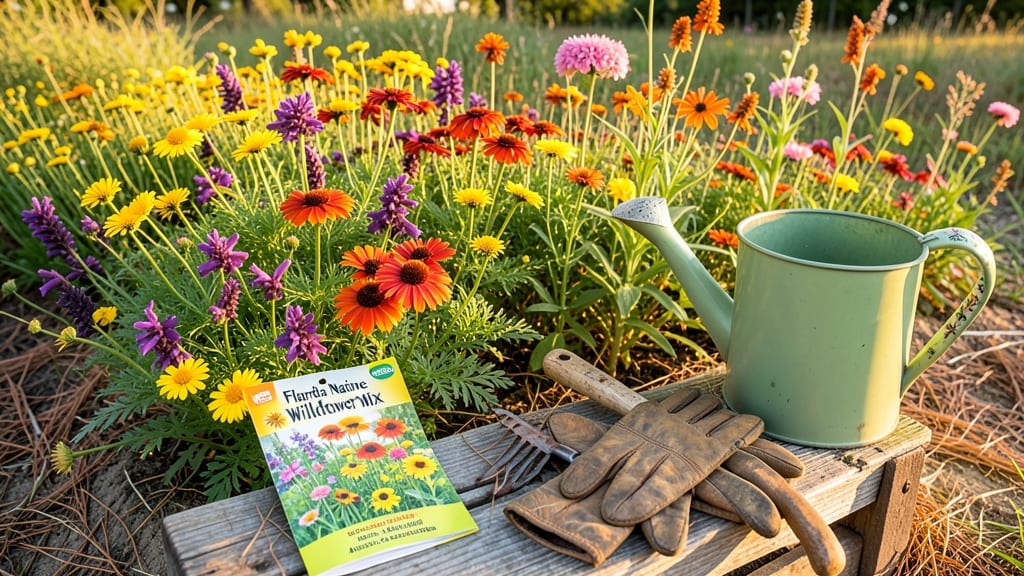
Planting wildflower seeds in Florida at the wrong time can mean watching your dreams of vibrant meadows fade before they even begin. The key to zero-frost blooms lies in understanding Florida’s unique climate—where frost-free zones and seasonal rainfall patterns create the perfect window for success.
Most gardeners assume Florida’s warm weather means wildflowers can be planted anytime, but that’s not the case. Timing matters more than you might think—especially when it comes to avoiding summer’s scorching heat or ensuring seeds germinate before the dry season sets in.
I’ll show you exactly when to plant for the best results, whether you’re in North Florida’s cooler microclimates or South Florida’s tropical zones.
Fall is often the most reliable time to start, but spring planting can also work if you prepare your soil correctly. We’ll cover everything from native wildflower varieties that thrive in Florida’s conditions to soil prep tips that make all the difference.
Ready to transform your landscape into a colorful, low-maintenance paradise?
With the right approach, you can enjoy wildflowers blooming year-round—no frost required. Let’s get started on the perfect planting schedule for your Florida garden.
Florida’s ideal wildflower planting windows by season
Florida’s frost-free climate means wildflowers can bloom year-round, but timing still matters for maximum germination success. The two best windows are fall/winter and early spring, when rainfall patterns and temperatures align perfectly for seedling establishment.
In North Florida, cooler winters create ideal conditions, while South Florida benefits from the dry season’s lower humidity and milder temperatures. Let’s break down the best months for each region.
Fall planting (September–November) is my top recommendation because it gives seeds time to germinate before summer’s intense heat. Rainfall patterns play a huge role—September showers help moisten soil, while November’s drier air reduces fungal risks.
In Central Florida, this window extends slightly later (through December) due to milder winters. For South Florida, fall planting avoids hurricane season’s disruptions while still providing steady moisture.
Spring planting (February–April) is your second-best option, especially for summer-blooming varieties like Black-Eyed Susans. The key is to plant before April’s heat spikes, which can dry out seeds before they sprout. North Florida gardeners should aim for February–March to avoid early spring’s unpredictable rains, while South Florida’s longer growing season allows planting through April’s first half. Timing here means the difference between lush meadows and failed patches.
Here’s how Florida’s three regions differ in their ideal planting windows:
In North Florida, where light frosts can occur in January, I recommend planting winter-hardy varieties like Lupine and Coreopsis in fall to establish roots before spring growth.
The September–November window captures the region’s best rainfall while avoiding summer’s oppressive heat. For spring planting, February–March gives seeds time to sprout before the April heatwave arrives.
Central Florida’s extended fall window (through December) makes it the most flexible region. The key is to plant before December’s dry spells, which can stress young seedlings. I’ve found that pre-sprouting seeds indoors in late November gives them a head start for January blooms.
Spring planting here must happen by early April to avoid the May–June monsoon season, which can wash away seeds.
South Florida’s tropical climate means year-round planting is possible, but timing still matters. The September–November window avoids hurricane season’s chaos while providing steady moisture. For spring, I focus on February–March to let seeds establish before the summer dry season begins.
The region’s high humidity requires extra care to prevent fungal diseases—always use lightweight mulch to protect seeds.
Rainfall is the deciding factor for germination success. In fall, September showers help moisten soil, while November’s drier air reduces fungal risks. For spring planting, I recommend checking the 7-day rainfall forecast—plant when 1–2 inches of rain is predicted to avoid overwatering.
In drought-prone areas, drip irrigation set to run for 10–15 minutes daily keeps seeds moist without flooding.
Pro tip: Scatter seeds lightly and cover with ¼-inch of soil (most wildflowers need light to germinate). Use a straw mulch to protect seeds from bird scatterers and heavy rains.
In South Florida, I’ve had great success with native beach sunflower seeds planted in late September—they bloom by January and attract pollinators all year.
Remember, Florida’s microclimates mean your neighbor’s success might not match yours. Always check local rainfall data and adjust your planting timeline accordingly. With the
Best wildflower seed types for Florida’s planting schedule
Choosing the right wildflower seeds for Florida means selecting native varieties that thrive in your region’s humid climate and sandy soils. The best time to plant depends on the species—some love Florida’s mild winters, while others need cooler temperatures to germinate.
I’ve narrowed down the top five wildflowers that bloom beautifully with minimal effort, plus their ideal planting windows.
For fall planting (September–November), focus on varieties like Black-Eyed Susans and Coreopsis. These hardy annuals and perennials establish roots before summer heat arrives, ensuring vibrant blooms by spring. In contrast, spring planting (February–April) works best for Lupines and Blanket Flowers, which prefer warmer soil temperatures to sprout.
Here’s a quick guide to match your wildflower seeds with Florida’s planting schedule, including sunlight and soil needs for each:
Black-Eyed Susans are my go-to for fall planting because they handle Florida’s winter rains well and bloom prolifically in summer. Scatter seeds in prepared soil and lightly rake—no need to bury them deeply. For spring blooms, Coreopsis is a low-maintenance winner that attracts pollinators and thrives in poor soil, making it perfect for Florida’s sandy landscapes.
Lupines and Blanket Flowers are ideal for spring planting because they germinate best in warmer soil. Plant them after the last frost risk (which is minimal in most of Florida) to avoid seed rot. These varieties also handle drought conditions once established, reducing your watering workload. If you’re in North Florida, aim for March planting to give seeds time to root before summer heat arrives.
For year-round color, mix these wildflowers in your garden. Start with fall-sown seeds like Black-Eyed Susans, then add spring varieties like Lupines to extend your blooming season. With the right planting schedule and minimal care, you’ll enjoy a low-maintenance meadow that thrives in Florida’s unique climate.