
Plants
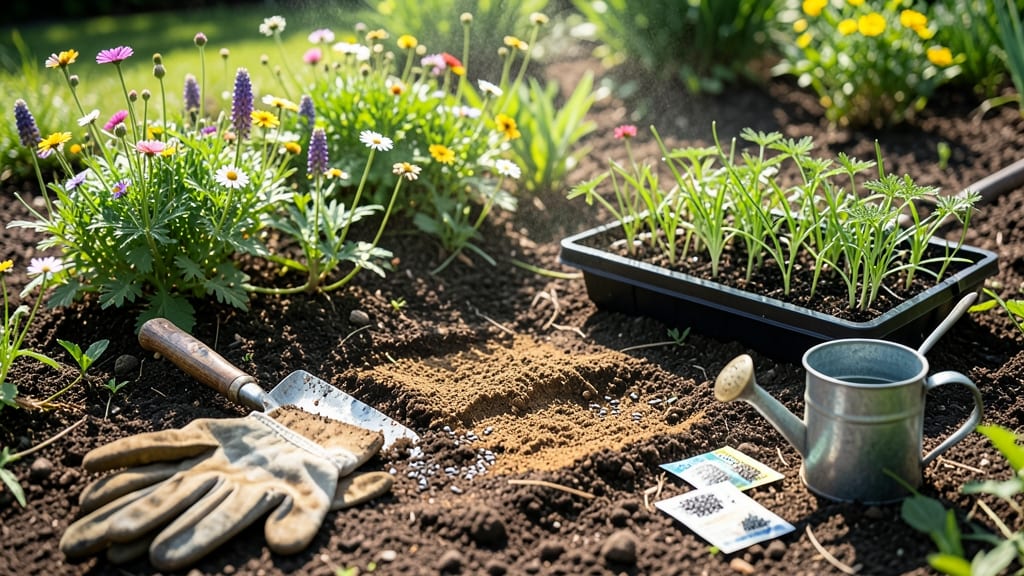
Timing when to plant wildflower seeds in Oregon just right can mean the difference between a vibrant meadow and a missed opportunity.
Planting at the wrong time—like after the last frost or during drought—often leads to seeds that either rot or fail to sprout, leaving you with empty soil instead of blooms.
I’ve learned the hard way that Oregon’s diverse climates—from coastal mist to high-desert heat—demand careful planning. Whether you’re in the Willamette Valley, the coastal regions, or the high desert, knowing the best months to plant wildflower seeds ensures your garden thrives.
For most Oregon zones, the ideal window is late winter to early spring (February to April) or late summer to early fall (August to September). But there’s more to it than just the calendar—soil temperature, frost dates, and even rainfall play a role.
I’ll break down the best strategies for each microclimate so you can set your seeds up for success.
Ready to transform your yard into a wildflower paradise? Stick around—I’ll share pro tips for preparing the soil, choosing the right seeds for your area, and keeping those blooms coming back year after year. Your future meadow starts with the right timing!
Best planting months for Oregon wildflowers by region (coastal vs. Willamette Valley vs. high desert)
Oregon’s three distinct wildflower regions—coastal, Willamette Valley, and high desert—each demand unique planting windows to ensure vibrant blooms. The coastal fog belt thrives with early spring plantings, while the high desert’s dry heat favors late summer sowing.
Understanding these microclimate differences is key to avoiding seed waste and maximizing your meadow’s potential.
For annual wildflowers, timing matters most—plant too early, and frost will kill seedlings; too late, and summer drought may dry them out. Perennial varieties offer more flexibility but still need soil temperature cues (like 50°F+ for 2+ weeks) to germinate successfully.
Let’s break down the optimal planting months for each region, including frost dates and rainfall patterns that shape your success.
In the coastal region, where cool, damp springs linger, aim for late February–March plantings to avoid late frosts (common until mid-April). Coastal areas like Astoria benefit from annual wildflowers like lupine, which thrive in moist, well-draining soil.
If you prefer perennials, late summer (August–September) works too—just ensure seeds get consistent moisture until roots establish.
The Willamette Valley, with its milder winters and longer growing seasons, offers a 6-week window for spring planting (March–April). This region’s rich, loamy soil suits California poppies and blue flax, but avoid planting before soil warms to 55°F—cold soil can delay germination by 3+ weeks.
For fall plantings, stick to August–early September to let seeds germinate before first frosts in November.
The high desert’s extreme conditions—hot days, cold nights, and minimal rain—demand late summer plantings (August–September) to take advantage of fall rains. Seeds like blanket flower and purple prairie clover need 60°F+ soil to sprout, so wait until mid-August when temperatures stabilize.
Early spring (April) is a secondary window but requires daily watering until seedlings are 2 inches tall.
Regardless of region, soil preparation is critical. Till 6 inches deep to loosen compacted soil, then rake lightly to create a fine seedbed. Coastal areas may need amended soil to improve drainage, while the high desert benefits from compost to retain moisture.
Always water seeds gently (never a heavy stream) to avoid washing them away—especially in sloped or sandy soils.
Pro tip: Test your soil’s moisture before planting. Stick your finger 1 inch deep—if it feels dry, water 24 hours beforehand. In the Willamette Valley, spring rains often provide enough moisture, but high desert plantings may need weekly irrigation until roots establish.
For drought-tolerant mixes, reduce watering once seedlings hit 3 inches tall—this mimics natural desert conditions and encourages deeper root growth.
Timing isn’t just about months—it’s about weather cues. Watch for consistent 60°F+ daytime temps (use a soil thermometer for accuracy) and predictable rainfall.
In coastal Oregon, March’s last frost (usually March 15) signals it’s safe to plant annuals, while perennials can wait until April 1 for better soil warmth. The high desert’s first reliable rains (often late August) are your
How to adjust planting timing for drought-tolerant vs. moisture-loving wildflower seed mixes
Oregon’s microclimates create unique challenges when planting wildflowers. Some areas, like the high desert, receive minimal rainfall, while coastal regions stay damp year-round. The key to success lies in matching your seed mix to your local conditions—and adjusting your planting schedule accordingly.
For example, drought-tolerant varieties like blue-eyed grass thrive when planted in early spring, while moisture-loving lupines prefer late summer sowing when soil stays consistently moist. Let’s break down how to align your timing with your garden’s needs.
First, consider your local rainfall patterns. In drier regions (like Bend or Prineville), drought-tolerant mixes should be planted in late winter or early spring to take advantage of cooler temperatures and residual moisture.
Conversely, in wetter zones (like the Willamette Valley or coastal areas), moisture-loving wildflowers can handle late summer planting, as autumn rains will keep seeds hydrated. The wrong timing can lead to seeds drying out or rotting—neither of which you want!
Drought-tolerant mixes (e.g., California poppies, blanket flower, or purple prairie clover) need a head start. Plant them 4-6 weeks before your last frost date to ensure germination before summer heat arrives. These seeds often require minimal watering once established, but they’ll need consistent moisture during their first few weeks. On the other hand, moisture-loving species like lupines or columbines can wait until late summer (August-September) when soil stays damp longer.
Drought-Tolerant vs. Moisture-Loving Wildflower Planting
Drought-Tolerant Mixes
- Best Planting Time: Late winter-early spring (Feb-Apr)
- Examples: Blue-eyed grass, California poppy, blanket flower
- Pros: Low water needs, thrives in heat
- Cons: Needs consistent moisture at first
Moisture-Loving Mixes
- Best Planting Time: Late summer-early fall (Aug-Sep)
- Examples: Lupine, columbine, yarrow
- Pros: Handles wetter soil, vibrant blooms
- Cons: May need shelter from heavy rain
Tip: Test soil moisture before planting—stick your finger 2 inches deep. If dry, water lightly before sowing seeds. 💧
Another critical factor is soil temperature. Most wildflower seeds germinate best when soil is between 50°F and 70°F. In cooler climates (like the coast), this might mean planting as early as February, while in warmer inland areas, wait until March or April to avoid heat stress.
Use a soil thermometer to check—it’s a small investment that pays off in strong germination rates.
Don’t overlook the role of competition. If you’re planting in an established lawn or garden, prepare the soil by removing weeds and loosening the top 2-3 inches of soil.
For moisture-loving species, consider adding a thin layer of compost to retain water, while drought-tolerant mixes benefit from a light mulch to prevent erosion. Timing your soil prep alongside planting ensures seeds make contact with fertile ground immediately.
Finally, think about bloom timing. Some wildflowers, like lupines, bloom in spring and need a cool season to establish roots, while others, like black-eyed Susans, thrive in summer. By mixing species with different bloom cycles, you’ll enjoy color from spring through fall.
Adjust your planting schedule to stagger germination—this creates a continuous display rather than a single burst of flowers. With the right mix and timing, your wildflower meadow will become a year-round spectacle! 🌼