
Flowers
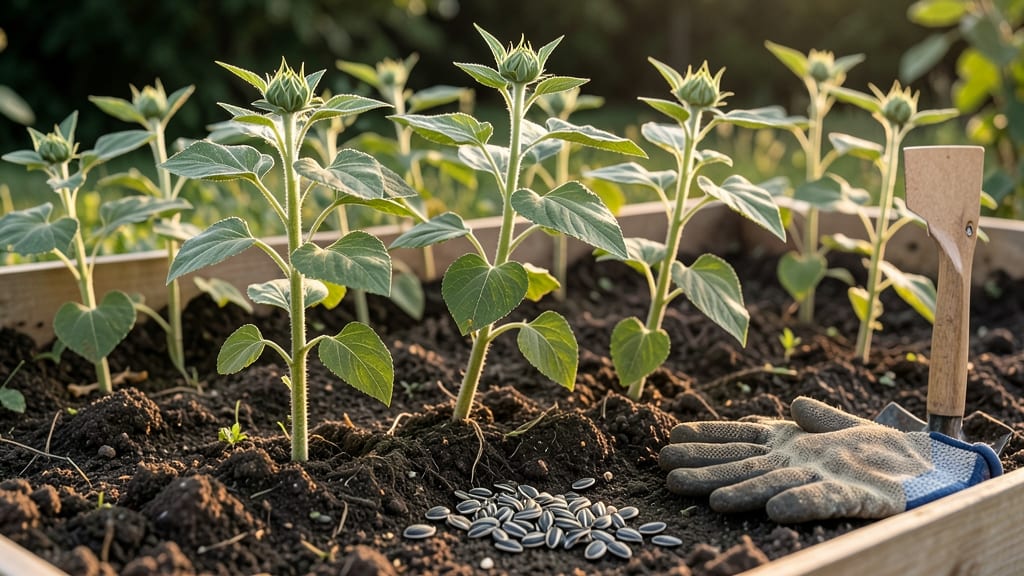
Planting sunflowers in Zone 7a at the right time means the difference between towering blooms and a disappointing flop. The perfect window opens in mid-April when the last frost has passed, but don’t wait too long—mid-June is the cutoff for those fast-growing varieties you love.
Too early, and frost will nip your seedlings; too late, and your golden giants might miss their prime summer display.
Most gardeners in Zone 7a swear by direct-sowing sunflower seeds after the soil warms to at least 50°F, skipping the fuss of indoor starts. This method works beautifully for fast results, especially with varieties like ‘Mammoth’ or ‘Autumn Beauty,’ which thrive in this climate.
But if you’re eager to get a head start, you can plant seeds indoors 4-6 weeks before your last frost date—just be ready to transplant carefully.
Here’s the secret: timing isn’t just about dates—it’s about watching for those key signs. Soil temperature, not the calendar, is your real guide. Once the ground is warm enough, your sunflowers will shoot up in record time, reaching heights that’ll make your neighbors jealous.
Ready to grow sunflowers that steal the show? Let’s dive into the exact steps to make it happen.
From choosing the right varieties to adjusting for early or late summers, I’ll walk you through everything you need to know. Explore our sunflower care guide next to keep those blooms coming all season long!
Zone 7a sunflower planting dates: best time for tallest, fastest blooms
Sunflowers in Zone 7a thrive when planted after the last frost date, which typically falls around April 15. This timing ensures your seeds don’t get zapped by late frosts while giving them plenty of time to grow tall and strong before summer’s heat peaks.
The ideal window spans from mid-April through mid-June, but soil temperature is your true guide—not just the calendar.
Most gardeners in Zone 7a skip indoor starts and direct-sow seeds once soil reaches 50°F. This method works perfectly for fast-growing varieties like ‘Mammoth’ or ‘Autumn Beauty,’ which can shoot up to 10 feet in just 70 days.
If you’re eager for an early start, you can plant seeds indoors 4-6 weeks before your last frost date, but be prepared to transplant carefully to avoid root shock.
Here’s the key: Soil temperature matters more than dates. Use a soil thermometer to confirm the ground is warm enough. Cold soil slows germination, and sunflowers need warmth to sprout quickly.
If you plant too early, your seedlings might rot in chilly, wet soil. Aim for consistent warmth—that’s your ticket to towering blooms.
For tallest sunflowers, plant your seeds in early May when the soil is reliably warm. This timing gives them the longest possible growing season before the first frost in mid-October. Varieties like ‘Russian Giant’ or ‘ProCut’ thrive in this schedule, often reaching 12-14 feet by late summer.
If you’re in a late-summer garden, you can still plant sunflowers in early July for smaller but still stunning blooms. These won’t reach their full height, but they’ll add color to your garden right up until frost.
Just choose shorter varieties like ‘Teddy Bear’ or ‘Moulin Rouge’ for best results.
| Planting Method | Best Time | Soil Temp | Height Potential |
|---|---|---|---|
| Direct Sowing | Mid-April to mid-June | 50°F+ | 3-14 ft |
| Indoor Start | 4-6 weeks before last frost | Room temp | 3-10 ft (smaller if late) |
| Late Summer | Early July | 55°F+ | 1-6 ft |
To maximize height, plant sunflowers in well-draining soil with plenty of compost. They love full sun (6+ hours daily), so choose a spot where they won’t be shaded by trees or buildings.
Space seeds 6 inches apart and thin to 12-24 inches as they grow. This gives their roots room to spread and support those heavy blooms.
If you’re in a cooler microclimate within Zone 7a, wait until early May to plant. This delays germination slightly but avoids the risk of frost damage. Use row covers if late frosts are forecasted, but remove them once the soil warms up.
Sunflowers are surprisingly frost-tolerant once established, but young seedlings are vulnerable.
For fastest blooms, choose varieties with short days to maturity, like ‘Autumn Beauty’ (60-70 days) or ‘ProCut’ (65-75 days). These will flower quickly, giving you vibrant blooms even if you plant on the later side of the window.
Just be sure to water deeply during dry spells—they need 1-2 gallons per plant weekly to reach their full potential.
Pro tip: Mark your calendar for mid-June as the last chance to plant for full-size sunflowers. After that, you’ll get smaller blooms, but they’re still worth growing for late-season color. Just adjust your expectations and choose dwarf varieties if space is limited.
Ready to grow sunflowers that turn heads? Start with mid-April plantings for the tallest stems, and don’t forget to harvest seeds in late summer for next year’s garden. Happy planting—your future sunflowers will thank you!
How to extend sunflower season in Zone 7a: success tips for early/late plantings
Zone 7a gardeners know the struggle—sunflowers can bolt in heat or get nipped by early frost. The key to extending your season lies in strategic planting and smart soil prep.
By choosing the right varieties and timing, you can push those golden blooms well past the usual frost dates, even in shorter growing seasons. Start with cold-hardy varieties like 'Autumn Beauty' or 'Teddy Bear,' which tolerate cooler temperatures better than standard types.
Succession planting is your secret weapon. Instead of planting all your seeds at once, stagger them every 2-3 weeks from mid-April through early July. This ensures a continuous display of blooms from summer through early fall.
For example, plant one batch in late April for early summer flowers, then follow up in early June for late-season blooms that last until frost.
- 🌱 Early Planting: Start seeds indoors 4-6 weeks before last frost (early March) for transplanting in early April. Use heat mats to speed germination in cool soil.
- ☀️ Mid-Season: Direct sow seeds after soil warms to 50°F (mid-April to early May). Space 6 inches apart and thin to 12-24 inches for optimal growth.
- 🌿 Late Planting: Sow a final batch in late June for fall blooms. Choose short-day varieties like 'Moulin Rouge' to avoid bolting in heat.
- 🛡️ Frost Protection: Cover seedlings with frost cloth if nights dip below 32°F. Remove during the day for sunlight access.
- 🌡️ Soil Prep: Amend soil with compost and a balanced fertilizer (10-10-10) before planting. Sunflowers thrive in well-draining, nutrient-rich soil.
Don’t overlook soil preparation—sunflowers are heavy feeders. Work in 2-3 inches of compost or aged manure before planting to give roots a nutrient boost. For containers, use a high-quality potting mix with added perlite to prevent compaction.
Mulch around the base with straw to retain moisture and suppress weeds, which is especially helpful during Zone 7a’s hot, dry summers.
Protecting seedlings from unexpected frost is critical. If a late frost threatens, use row covers or even old bedsheets draped over stakes. Remove them during the day to avoid overheating. For late-season plantings, choose dwarf varieties like 'Sunspot' to reduce wind damage and ensure blooms before frost.
These varieties also work well in containers, making them perfect for patios or small spaces.
Watering plays a crucial role in extending the season. Sunflowers need 1-2 gallons per plant weekly, but deeper, less frequent watering encourages stronger roots. In Zone 7a’s heat, water in the early morning to reduce evaporation and fungal risks.
Avoid overhead watering at night, which can promote mildew. Drip irrigation is ideal for maintaining consistent moisture without wetting the foliage.
Finally, keep an eye on pests like sunflower moths or aphids, which can stress plants and shorten their lifespan. A strong blast of water or neem oil spray can keep them at bay.
With these tips, your sunflowers will thrive well beyond the typical season, giving you months of vibrant blooms and maybe even seeds for next year! 🌻