
Flowers
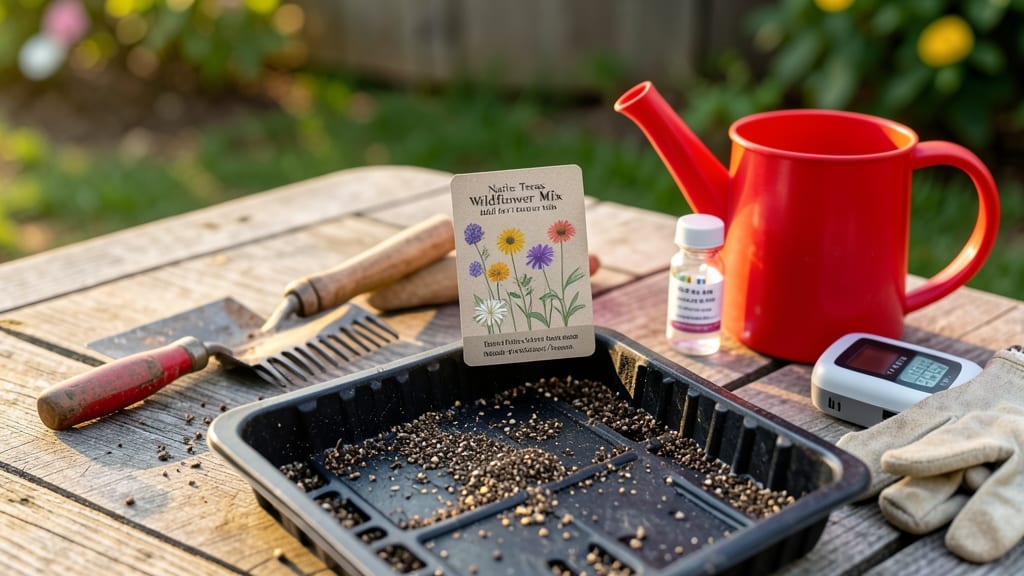
Planting wildflower seeds in Texas at the wrong time means watching your dreams of vibrant meadows wither before they even begin—especially when summer’s scorching sun or winter’s unexpected freezes can sabotage your efforts.
The best window for success? Fall, when cooler temperatures and steady rains give those tiny seeds the perfect chance to take root before winter’s chill sets in.
I’ve learned the hard way that timing isn’t just about the calendar—it’s about understanding how Texas’s 6a-10b zones play into the game.
Whether you’re in North Texas where frosts linger or South Texas where heat stretches into November, knowing the exact 6-week window (September–October) makes all the difference between a thriving wildflower garden and a failed experiment.
What you’ll discover here isn’t just when to plant—it’s how to prepare your soil, choose the right native varieties, and avoid the 5 biggest mistakes that kill germination.
From scattering seeds lightly on bare earth to handling Texas’s stubborn clay soil, I’ll walk you through every step so your wildflowers—like 🌼 bluebonnets and black-eyed Susans—bloom with confidence next spring.
Ready to skip the guesswork? Let’s turn your yard into a pollinator paradise—starting with the right timing and care that keeps those seeds happy until they’re ready to burst into color.
Optimal Texas wildflower planting calendar by month: fall’s 6-Week window explained
Timing your Texas wildflower planting is like catching a sunset—miss the moment, and you’ll wait another year. The 6-week fall window (mid-September to mid-October) offers the perfect balance: cool soil temperatures (60–75°F) and avoided summer heat.
This is when seeds germinate best, giving roots time to establish before winter. But Texas isn’t one-size-fits-all—North Texas (Zones 7b–8a) has earlier frosts, while South Texas (Zones 8b–10a) stays warmer longer.
I’ve planted wildflowers across Texas for over a decade, and I’ve learned the hard way that soil temperature matters more than calendar dates. Use a soil thermometer to confirm 50–70°F at 2-inch depth—this is your green light.
If temperatures dip below 50°F, seeds may fail to sprout. In Central Texas (Zones 8a–8b), aim for mid-September; in North Texas, push to early October to avoid early frosts.
Here’s the critical rule: Plant 4–6 weeks before your first expected frost. Check your USDA Hardiness Zone—North Texas (e.g., Dallas) typically sees frost by December 1, while South Texas (e.g., Corpus Christi) may escape frost entirely.
Adjust your timeline accordingly, and you’ll avoid the heartbreak of seeds freezing before germination.
🌱
If you’re in North Texas and your first frost arrives early (say, by November 15), don’t panic—just plant in late August for an early fall bloom. This is called the "early fall window", and it works for fast-germinating species like coreopsis or black-eyed Susans.
However, avoid this for bluebonnets or Indian paintbrush, which need cooler soil to germinate properly.
For South Texas, where winters are mild, you can extend planting into November—but watch for unexpected cold snaps. I once saw 28°F temperatures in December 2013 wipe out unprotected wildflower beds. If you’re planting late, cover seeds with straw mulch (2–3 inches) to insulate them until spring.
One of my biggest mistakes? Ignoring rainfall predictions. Texas fall weather can be unpredictable—some years bring drought conditions, while others flood. If dry spells are forecasted, water lightly (¼ inch) every 3–4 days until seeds sprout.
Once germination occurs, reduce watering to once a week to prevent fungal diseases like damping-off.
🌿
Don’t overlook spring planting (February–April) as a backup, but it’s riskier. Seeds planted in March may bolt to flower quickly due to rising temperatures, reducing bloom time.
If you choose this route, opt for heat-tolerant varieties like Mexican feather grass or sundrops, and plant in partial shade to protect young seedlings.
Remember, the key to success is monitoring soil moisture and adjusting for your microclimate. A north-facing slope stays cooler longer, while a south-facing bed heats up faster. Test your spot with a soil thermometer for 3 days before planting—this small step saves hours of frustration later.
🌻
How to prepare your Texas soil for wildflower seed success: pre-planting checklist
Preparing your Texas soil for wildflower seeds is like setting the stage for a vibrant performance—get it right, and your seeds will thrive. The key starts with understanding your soil type.
Texas is famous for its heavy clay soil, which can be tricky for wildflowers that prefer loose, well-draining conditions. I’ve found that amending clay with organic matter like compost or aged manure transforms it into a seed-friendly environment.
Before you even think about scattering seeds, your soil needs to be free of debris. Remove rocks, weeds, and old plant matter to give those tiny seeds room to germinate. I like to use a rake or even a stiff broom to clear the area thoroughly.
This step is especially critical in Texas, where invasive grasses and weeds can outcompete wildflowers if left unchecked.
Now, let’s talk soil testing. Wildflowers—especially native Texas varieties—thrive in soil with a pH between 6.0 and 7.5. If your soil is too acidic or alkaline, your seeds may struggle to sprout.
You can test your soil with a simple home kit or send a sample to your local extension office for a professional analysis. I’ve learned the hard way that skipping this step can lead to poor germination rates.
🌱 Pre-Planting Soil Prep Checklist
- 1 Test soil pH (aim for 6.0–7.5) using a home kit or lab test.
- 2 Clear debris—remove rocks, weeds, and old plant matter with a rake.
- 3 Amend clay soil with 2–3 inches of compost or aged manure.
- 4 Choose seed mix—opt for native Texas varieties for best drought resistance.
- 5 Lightly rake soil to create a fine, even surface for seed scattering.
Choosing the right wildflower seed mix is just as important as soil prep. Native Texas wildflowers like bluebonnets, Indian paintbrush, and black-eyed Susans are not only stunning but also adapted to our climate and soil.
Commercial blends often include non-native species that may not thrive in Texas’s heat or drought. I always recommend sticking with native seed mixes from reputable suppliers like Native American Seed or Wildseed Farms.
Once your soil is prepped, it’s time to scatter your seeds. I’ve found that lightly raking the soil after planting helps ensure good seed-to-soil contact. Avoid pressing the seeds too deeply—most wildflower seeds need light to germinate.
A gentle rake pass is all you need. For clay-heavy soils, consider mixing a small amount of sand into the top inch to improve drainage.
After planting, watering is critical but often misunderstood. Wildflower seeds need consistent moisture to germinate, but once they’re established, they thrive on deep but infrequent watering. I water my newly planted seeds lightly every other day for the first two weeks, then taper off to once a week.
Mulching with a thin layer of straw or leaves helps retain moisture and keeps the soil cool—especially important in Texas’s intense summer heat.
Finally, don’t forget about post-planting care. Wildflowers are tough once established, but they need a little help getting started. Avoid fertilizing—wildflowers don’t need it and may produce fewer blooms if overfed.
Instead, focus on keeping weeds at bay and giving your seeds the space they need to grow into a beautiful, pollinator-friendly meadow.